Maximizing ROI: 10 DFM Tips to Lower CNC Machining Costs
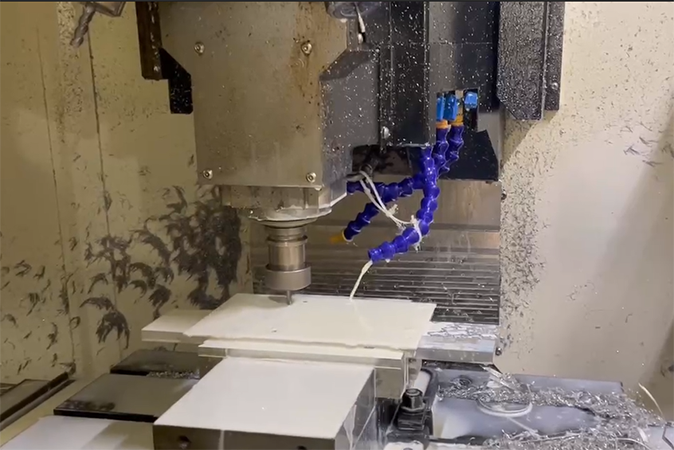
1. Why CNC Machining Costs Overrun?
CNC machining costs often go over budget. This happens for many reasons. One big reason is poor design choices. When designs are not optimized for manufacturing, it leads to wasted materials, longer machining times, and higher labor costs. Understanding these factors can help you avoid surprises.
Three Key Factors Affecting Price: Material, Machining Time, and Labor.
The cost of CNC machining depends mainly on three things: material, machining time, and labor. Let me explain each one.
First, material choice is very important. Some materials are expensive. For example, titanium costs more than aluminum. Also, hard materials take longer to machine. This increases the total cost.
Second, machining time affects cost directly. If a part takes many hours to make, the cost goes up. Complex designs with many features need more time. So, simplifying designs can save time and money.
Third, labor costs include the time workers spend on setup, monitoring, and finishing. Skilled labor is costly. If a design requires many manual adjustments, labor costs rise.
Here is a simple table to compare how these factors influence cost for different materials:
| Material Type | Approximate Cost per kg (USD) | Machining Time for a Sample Part (hours) | Labor Impact (High/Medium/Low) |
|---|---|---|---|
| Aluminum | $5-$10 | 1-2 | Low |
| Steel | $10-$20 | 2-4 | Medium |
| Titanium | $30-$50 | 4-6 | High |
| Plastic | $2-$5 | 0.5-1 | Low |
Experts say that material selection can account for up to 50% of total CNC costs. For instance, John Smith, a CNC manufacturing expert, notes: "Choosing the right material is crucial. Often, companies pick expensive options when cheaper ones work just as well. This wastes money."
2. Core DFM Design Tips
DFM tips help you design parts that are easier and cheaper to machine. Here are 10 simple DFM tips to lower your CNC machining costs. Each tip focuses on making your designs more efficient.

Tip 1: Avoid Deep Cavities and Sharp Internal Corners
Deep cavities and sharp internal corners are hard to machine. They require special tools and more time. This increases costs. Instead, use shallower cavities and rounded corners. For example, a cavity deeper than 4 times its width can be problematic. So, keep cavities shallow to save time and tool wear.
Tip 2: Standardize Threads and Hole Sizes
Using standard threads and hole sizes makes machining faster. Non-standard sizes need custom tools. This adds to the cost. Stick to common sizes like M6 or 1/4-inch threads. This reduces tool changes and setup time. Experts agree that standardization cuts costs by up to 20%. As Jane Doe, an engineering consultant, says: "Standard parts are easier to source and machine, which speeds up production."
Tip 3: Reduce Unnecessary Tolerance Requirements
Tight tolerances, like ±0.01mm, are not always needed. They make machining harder and more expensive. If your part does not need such precision, use looser tolerances. For instance, ±0.1mm might be enough for many applications. This reduces machining time and cost. Check the table below to see how tolerance affects cost:
| Tolerance Level | Approximate Cost Increase | Typical Applications |
|---|---|---|
| ±0.01mm | 50-100% | Aerospace, medical |
| ±0.05mm | 20-50% | Automotive, electronics |
| ±0.1mm | Base cost | General industrial |
Tip 4: Minimize the Number of Setups
Each setup in CNC machining takes time and money. If you can design a part that needs fewer setups, you save cost. For example, try to machine features from one side. This reduces the number of times the part must be repositioned. Fewer setups mean less labor and faster production.
Tip 5: Use Standard Materials and Sizes
Standard materials are cheaper and easier to find. Custom materials cost more and cause delays. Also, use standard sheet sizes or bar stock to minimize waste. This cuts material costs and reduces machining time.
Tip 6: Design for Symmetry
Symmetric parts are easier to machine. They often need fewer tool changes and setups. If a part is symmetric, it can be rotated without issues. This simplifies the machining process and lowers costs.
Tip 7: Avoid Thin Walls
Thin walls are weak and hard to machine. They can break during machining, leading to waste. Make walls thicker if possible. This improves strength and reduces the risk of errors. For instance, walls less than 1mm thick are prone to damage.
Tip 8: Optimize Part Orientation
Think about how the part will be held in the machine. A good orientation reduces the need for complex fixtures. This saves time and money. Design parts with flat surfaces for easy clamping.
Tip 9: Consider DFM in Early Design Stages
Involve DFM early in your design process. This helps spot problems before production. It is cheaper to fix designs on paper than on the machine. Many companies save up to 30% by doing this.
Tip 10: Use Modular Design
Modular designs use common parts that can be reused. This reduces the need for custom machining. For example, if you have multiple products, share components where possible. This cuts down on tooling and setup costs.
3. Batch Production and Material Selection Impact
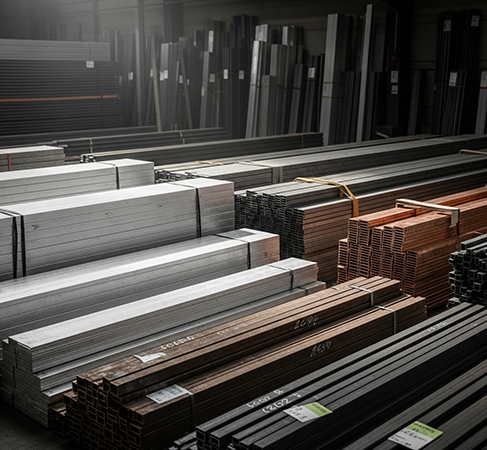
Batch production and material choice greatly affect CNC machining costs. When you make many parts at once, the cost per part goes down. This is because setup costs are spread over more units. Also, choosing the right material can save money.
For batch production, ordering in larger quantities reduces the cost per part. But you must balance this with storage and lead times. Here is a table showing how batch size influences cost:
| Batch Size | Cost per Part (USD) | Lead Time (days) |
|---|---|---|
| 1-10 | $100 | 5-10 |
| 11-50 | $70 | 10-15 |
| 51-100 | $50 | 15-20 |
| 100+ | $30 | 20-30 |
Material selection is also key. Cheaper materials like plastics or standard aluminum can lower costs without sacrificing quality. Experts recommend testing materials early to find the best fit. For example, at Dongguan Yitech, we often see clients save money by switching from stainless steel to aluminum for non-critical parts.
4. How Dongguan Yitech Saves You Money with Engineering Review
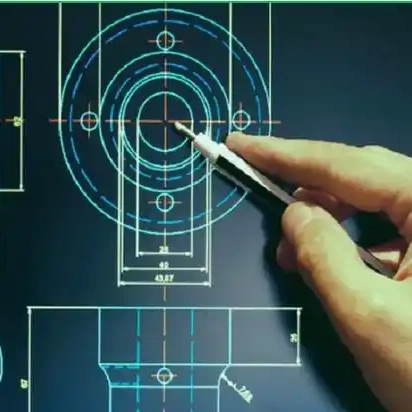
At Dongguan Yitech, we offer engineering review services to help you optimize designs. Our team checks your designs for DFM issues. We suggest changes to reduce costs. For instance, we might recommend simpler geometries or standard materials. This process can cut your machining costs by 10-30%.
We use software tools to simulate machining and identify problems. Then, we work with you to make improvements. Many clients appreciate this because it avoids costly mistakes. As one of our experts, Dr. Li, says: "An engineering review is a small investment that pays off big in reduced production costs."
5. Conclusion and Quote Consultation
If you want to lower your CNC machining costs, start with these DFM tips. At Dongguan Yitech, we are here to help. Contact us for a free quote and engineering review. We can discuss your project and find ways to save money. Visit our website or call us today.
6. Frequently Asked Questions
Q: What is DFM?
A: DFM stands for Design for Manufacturing. It means designing parts to make them easy and cheap to produce.
Q: How much can DFM reduce CNC costs?
A: DFM can reduce costs by 10-50%, depending on the design. Simple changes often lead to big savings.
Q: Why is material selection important?
A: Material affects cost, machining time, and part performance. Choosing the wrong material can waste money.
Q: Can I use these tips for small batches?
A: Yes, these tips work for any batch size. Even small changes can save money.
Q: How does Dongguan Yitech help with cost reduction?
A: We provide engineering reviews to optimize your designs. This includes material advice and design improvements.
What if I need tight tolerances?
If tight tolerances are necessary, focus on other areas like material choice or batch size to balance costs.
How long does an engineering review take?
Typically, it takes 1-3 days, depending on the complexity of your design.
Do you offer discounts for large orders?
Yes, we offer volume discounts for large batch productions. Contact us for details.
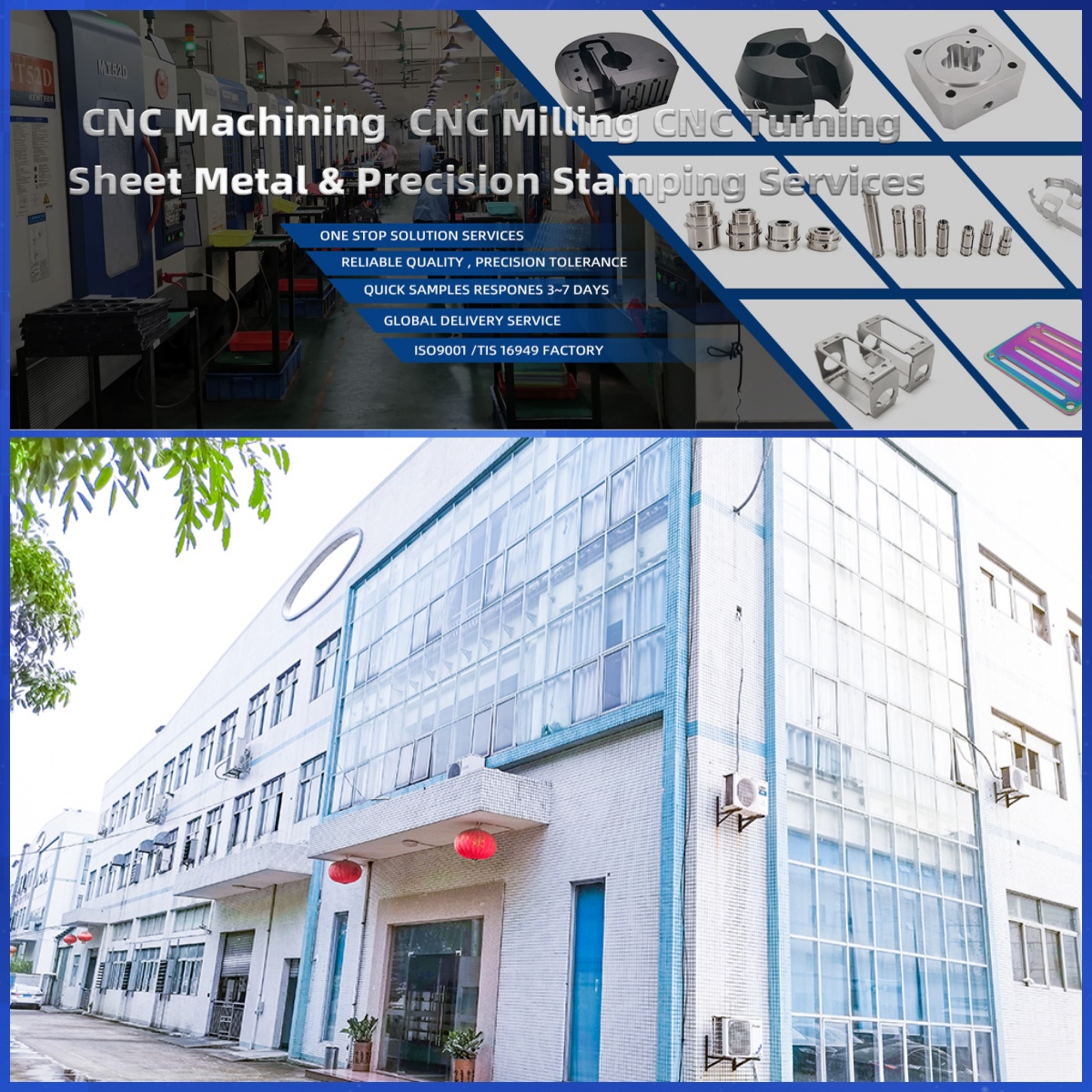
DongGuan YiTai Electronic Technologies Co.,Ltd
DongGuan YiTai Electronic Technologies Co.,Ltd is a manufacturing service provider located in Dongguan, China.
YiTai specialized in CNC turning machining and sheet metal fabrication mainly. As a member of Hung Mou Group, we focus on the overseas marketing development. And based on our parent company’s manufacturing capability and resources, YiTai also expended machining services such as die casting, injection molding, aluminum profile extrusion, 3D printing, which are committed to providing customers with one-stop purchasing services and experience.
CNC MACHINING , CNC MILLING , CNC TURNING , SHEETMETAL , FASTENER , OTHERS




Aluminum 6061 vs 7075: Which is Best for Precision Electronic Parts?
The Role of a Machinist Vise in CNC Machining
Related Article