Custom high precision CNC machined parts

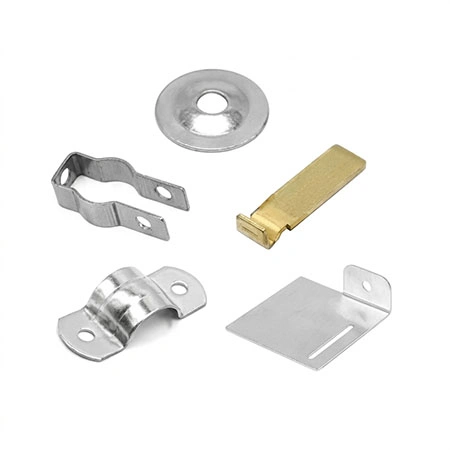
CNC machined components are precision-engineered parts that are produced using advanced computer-controlled machinery. They offer numerous benefits, including improved production speed, reduced labor costs, and increased product quality.
CNC (Computer Numerical Control) machining parts is a process involving highly specialized technology and strict quality control. CNC machining is widely used in the aerospace industry, where the accuracy, reliability and performance of parts are extremely demanding. Comprehensive capabilities are required to provide services including but not limited to the following:
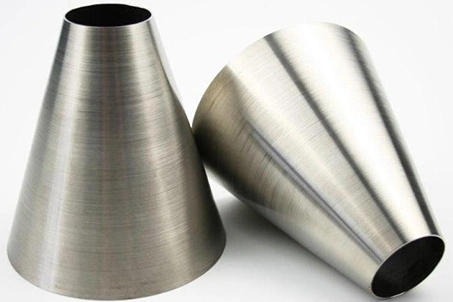
1. Five-axis CNC machining: suitable for non-standard aluminum alloy 6061 and other materials of precision mechanical parts processing, suitable for aluminum, brass and 304 stainless steel non-standard customization.
2. Uav parts processing: including the aluminum alloy shell of the navigation control system and CNC machining of other precision parts of the UAV.
3. Special material processing: such as aluminum alloy 7075 and 6061, suitable for thin wall deformation, high precision requirements of aerospace equipment parts, can be blue hard anodized surface treatment.

Customized high-precision aerospace CNC machining parts are usually completed by professional manufacturers, we have advanced CNC machining centers, experienced engineers and technicians, and a sound quality management system. If you have customized needs, we can provide one-stop service from design consultation to finished product delivery according to your drawing or design requirements. Here are some key points for customizing high-precision CNC machined parts:
1. Material selection: Aerospace parts are usually made of high-performance materials, such as aluminum alloys (such as 6061 and 7075), titanium alloys, stainless steel (such as 304), and some special composite materials and superalloys. These materials have the characteristics of light weight, high strength, corrosion resistance and good temperature stability.
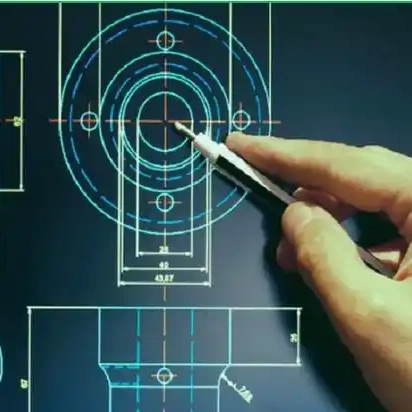
2. Design and engineering: The design of parts should follow strict engineering specifications and standards to ensure that the safety and functional requirements of the aircraft are met.

4. Multi-axis machining: Aerospace parts are often complex in shape, requiring the use of CNC machines with five or more axes to process in order to achieve accurate machining of complex geometric shapes.
5. Accuracy and tolerance: Machining accuracy requirements are extremely high, the tolerance range may be in the micron level, requiring precision measuring equipment and strict quality control process to ensure that the parts meet the design specifications.
6. Surface treatment: After completing the basic processing, the parts may also need surface treatment, such as anodizing, coating, polishing, etc., to enhance their corrosion resistance, wear resistance and aesthetics.
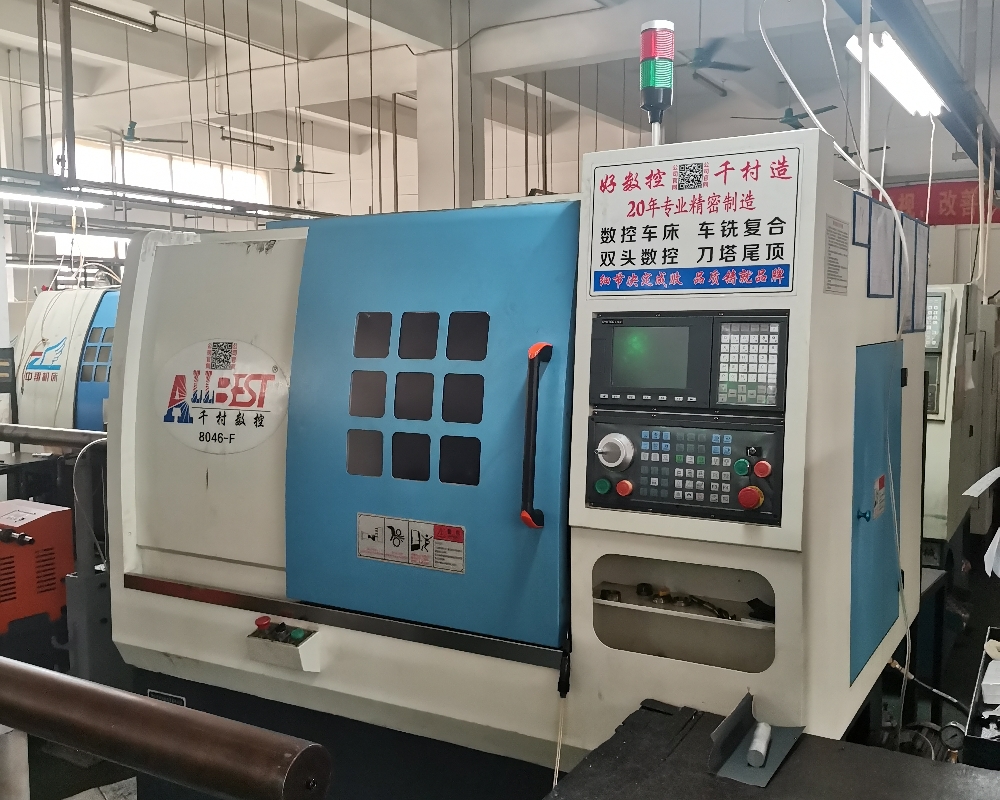
Advances in five-axis machining technology, such as intelligent programming software, simulation technology and the performance improvement of the machine tool itself, are gradually reducing these difficulties, making five-axis machining more efficient and widely applicable. Five-axis machining parts need to pay attention to the following aspects:
1. Programming complexity: five-axis machining is more complex in programming than three-axis machining. Since it is necessary to control the movement of five axes at the same time, including three linear axes and two rotating axes, the linkage trajectory of each axis must be accurately calculated during programming to ensure that the tool path can adapt to the processing needs of the workpiece's complex surface and avoid over-cutting or interference.

2. Geometry: five-axis machining is often used to process parts with complex surfaces and inclined surfaces, such as impellers and molds in the aerospace field. The geometry of these workpieces requires the tool to cut in multiple directions, increasing the difficulty of programming and machining path planning.
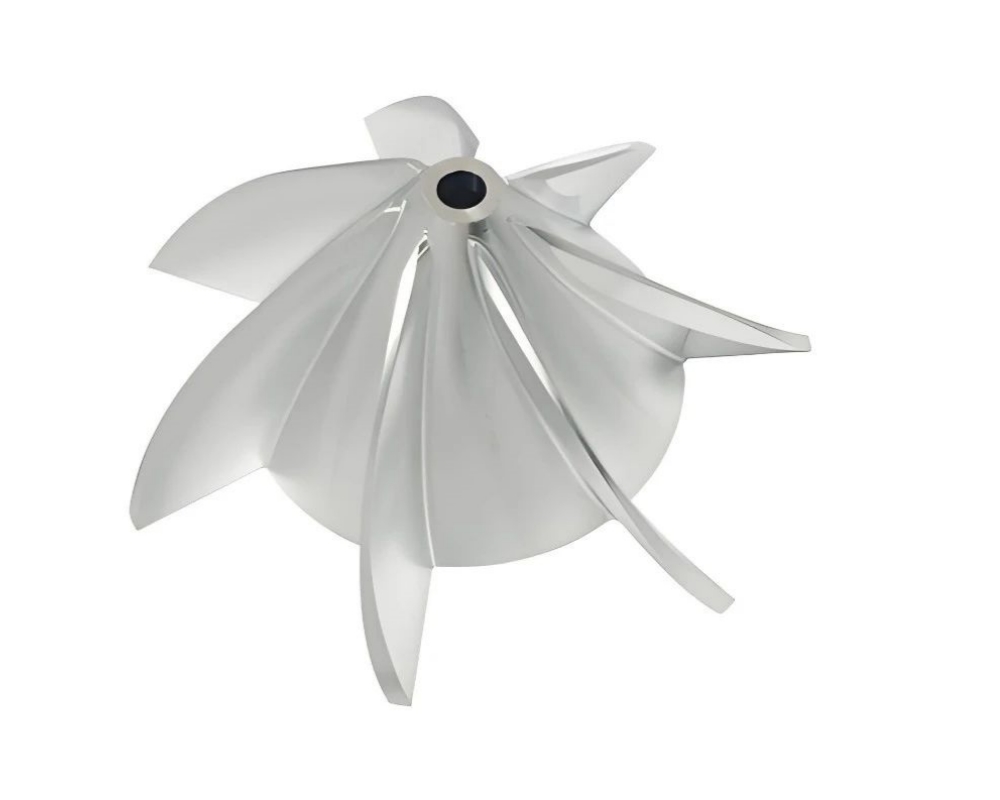
3. Tool selection and path optimization: In order to adapt to the processing of complex shapes, the choice of tools and path optimization in five-axis machining is particularly critical. The tool not only needs to be able to reach all surfaces of the workpiece, it must also maintain efficient cutting performance, which often requires fine tool path planning.
4. Machine tool control and accuracy: The CNC system and servo control of the five-axis machine tool are extremely demanding, requiring highly accurate control of the simultaneous movement of the five axes to ensure processing accuracy. This puts forward higher requirements for hardware design, manufacture and calibration of machine tools.
5. Stiffness and deformation control: Especially in the processing of thin-wall or parts with large aspect ratio (such as impellers), five-axis machining is easy to cause workpiece deformation due to cutting force. Therefore, the machining strategy must consider how to reduce the impact of cutting forces, and how to enhance the rigidity of the workpiece through the fixture and machining sequence.
6. Collision risk: The increase in freedom of five-axis machining also means the increase in collision risk. The tool path must be carefully checked during programming to prevent the collision between the tool and the workpiece or the machine itself.
Mechanical processing equipment and equipment characteristics
What are the advantages of CNC machining for hardware parts customization?
Related Article