Precision in Every Circuit: How CNC Machining Powers the Electronics Industry

1. How CNC Machining Benefits Electronics Manufacturing
The relentless drive for smaller, faster, and more powerful electronics demands manufacturing processes capable of extreme precision, complex geometries, and material versatility. CNC (Computer Numerical Control) machining stands as a cornerstone technology in this sector, offering unparalleled advantages:
-
Unmatched Precision and Tight Tolerances: CNC machines produce features with micron-level accuracy, essential for intricate components like connectors, waveguides, and semiconductor tooling. This ensures perfect fit, alignment, and electrical performance.
-
Complex Geometry Realization: From intricate cooling channels within heat sinks to precisely shaped RF enclosures shielding sensitive signals, CNC machining handles complex 3D shapes that are difficult or impossible with other processes.
-
Material Flexibility: Electronics components require diverse properties – conductivity, thermal dissipation, EMI shielding, weight, strength. CNC machining works with metals (aluminum, copper, stainless steel, brass), engineering plastics (PEEK, Ultem, PTFE), and even ceramics, allowing optimal material selection for each function.
-
Rapid Prototyping and Production: CNC enables quick turnaround from design to functional prototype, accelerating development cycles. It also supports low-to-medium volume production runs efficiently and cost-effectively, bridging the gap between prototyping and mass production.
-
Superior Surface Quality and Finishes: CNC-machined parts start with excellent surface finishes, crucial for electrical contact, sealing, and aesthetics. They readily accept specialized surface treatments (anodizing, plating, bead blasting) for enhanced performance and durability.
-
Design Flexibility and Iteration: Changes can be implemented rapidly by modifying the CAD/CAM program, offering significant design freedom and allowing for quick iterations based on testing feedback.
As Dr. Aris Chen, Materials Science Professor at MIT, emphasizes: "The ability to machine complex geometries with high dimensional stability from advanced materials is critical for pushing the boundaries of electronic device performance and miniaturization. CNC remains indispensable for prototyping and manufacturing key enabling components."
2. Common CNC-Machined Electronic Products
CNC machining fabricates a vast array of critical components found in nearly every electronic device:
2.1 Printed Circuit Boards (PCBs)

While mass-produced PCBs use etching, CNC plays a vital role in prototyping, low-volume production, and creating specialized PCBs. CNC milling machines drill precise mounting holes, route board outlines, create cutouts, and mill cavities for components. High-speed spindles ensure clean edges on sensitive fiberglass laminates.
2.2 Heat Sinks

Efficient thermal management is paramount. CNC machining creates complex fin structures, optimized base plates, and custom mounting interfaces from highly conductive materials like aluminum and copper, maximizing heat dissipation from CPUs, GPUs, power transistors, and LEDs.
2.3 Enclosures and Casings
Protecting sensitive electronics requires robust, precisely fitted housings. CNC machining produces EMI/RFI shielded enclosures, waterproof casings (IP rated), and aesthetically pleasing device chassis with accurate cutouts for displays, ports, and buttons, often integrating intricate cooling features.
2.4 Connectors and Plugs
These critical interfaces demand exceptional dimensional accuracy for reliable mating and signal integrity. CNC machining produces connector bodies, pins, sockets, and complex multi-pin plugs from conductive metals or insulating plastics, ensuring low contact resistance and durability.
2.5 Switches and Buttons
The tactile feel and reliability of switches depend on precision machining. CNC creates intricate internal mechanisms, housings, and actuator components requiring tight tolerances for smooth operation and long life cycles.
2.6 Semiconductor Components
CNC machining fabricates essential tooling and fixtures used in semiconductor manufacturing itself, including wafer chucks, test sockets, probe card bodies, and components for deposition equipment. These demand extreme precision, thermal stability, and chemical resistance.
2.7 Camera and Sensor Housings

Protecting delicate lenses and sensors requires light-tight, precisely aligned housings. CNC machining creates robust bodies with accurate lens threads, mounting flanges, and environmental seals, often using specialized alloys or plastics to avoid interference.
3. CNC Techniques for Electronics
Specific CNC techniques are particularly valuable in electronics:
-
High-Speed Machining (HSM): Essential for PCBs and intricate plastic parts, minimizing heat and tool pressure to prevent delamination or melting.
-
Multi-Axis Machining (4/5-Axis): Crucial for complex enclosures, heat sinks with curved fins, and components requiring machining from multiple angles without repositioning, ensuring higher accuracy and better surface finish.
-
Micro-Machining: Employs tiny tools (down to microns) to create extremely small, high-precision features vital for miniaturized connectors, medical electronics, and micro-optics.
-
Ultra-Precision Machining: Used for optical surfaces, diamond-turned waveguides, and critical semiconductor tooling where surface finish and form accuracy are paramount.
Jane Doe, Lead Engineer at TechNext Innovations, notes: "Moving beyond 3-axis machining has been transformative. 5-axis CNC allows us to machine complex RF waveguide components as single pieces with internal features that were previously unmanufacturable, significantly boosting signal integrity and device reliability."
4. Common Materials in Electronics Machining
Material choice is dictated by function:
-
Aluminum (6061, 7075): Lightweight, excellent machinability, good thermal conductivity. Ubiquitous for enclosures, heat sinks, structural frames.
-
Copper (C110, C101): Unmatched electrical and thermal conductivity. Used for bus bars, specialized heat sinks, EMF shielding components. Machining requires expertise due to its softness and tendency to gall.
-
Brass (C360): Good machinability, corrosion resistance, conductivity. Common for connectors, terminals, RF shielding, decorative elements.
-
Stainless Steel (303, 304, 316): Used for strength, corrosion resistance, and EMI shielding in demanding environments (e.g., medical, industrial, marine electronics). Challenging to machine but offers superior durability.
-
Engineering Plastics:
-
PEEK: High strength, temperature resistance, chemical resistance. Used for insulators, semiconductor parts, biocompatible components. (See our guide on How CNC Machining Boosts Custom Parts Manufacturing for more on plastic machining).
-
Ultem (PEI): Similar to PEEK but lower cost. Good flame retardancy and dielectric strength.
-
PTFE (Teflon): Exceptional chemical resistance, low friction, excellent dielectric properties. Used for insulators, high-frequency components.
-
Delrin (POM): High stiffness, low friction, dimensional stability. Used for gears, rollers, insulating structural parts.
-
-
Ceramics (Alumina, Macor): For extreme thermal/electrical insulation and stability. Used in specialized sensors, insulators, semiconductor tooling. Requires diamond tooling and specialized processes.
5. Typical Surface Finishes for Electronic Components
Finishes enhance performance and longevity:
-
Anodizing (Type II & III - Hardcoat): Primarily for aluminum. Creates a durable, corrosion-resistant layer. Can be dyed (e.g., black for heat dissipation/looks) or left clear. Hardcoat anodizing offers superior wear and abrasion resistance. Provides electrical insulation.
-
Bead Blasting/Sandblasting: Creates a uniform matte finish, improving aesthetics and paint adhesion. Reduces light reflection on sensor housings.
-
Chemical Film Conversion Coating (Alodine, Iridite): Provides corrosion resistance and improves paint adhesion without significant electrical insulation. Often used on aluminum where electrical grounding is needed.
-
Electroplating:
-
Nickel Plating: Provides corrosion resistance, wear resistance, and solderability. Often used as an undercoat for gold.
-
Gold Plating: Excellent electrical conductivity, corrosion resistance, and solderability. Critical for high-reliability connectors, contacts, and RF components.
-
Silver Plating: Highest electrical conductivity, good solderability. Used in high-power RF components and specialized connectors (susceptible to tarnish).
-
-
Powder Coating: Durable, decorative finish for enclosures and external parts. Offers good chemical and abrasion resistance.
-
Passivation: Primarily for stainless steel. Removes free iron and enhances the natural chromium oxide layer for improved corrosion resistance.
-
Laser Marking: Permanently marks parts with logos, serial numbers, barcodes, or component identifiers without affecting material properties.
6. CNC Machining Capabilities in Electronics
Modern CNC machining centers offer capabilities perfectly aligned with electronics needs:
-
High Precision & Tight Tolerances: Routinely achieving ±0.001" (0.025mm) or better.
-
Complex Feature Creation: Micro-drilling (<0.5mm), thin walls, deep cavities, intricate contours, threads, chamfers.
-
Multi-Material Expertise: Seamlessly handling the diverse material palette required.
-
Prototyping Speed: Rapid conversion of CAD models into functional prototypes.
-
Low-to-Medium Volume Production: Economical and flexible production runs without expensive tooling.
-
Consistency & Repeatability: Essential for part interchangeability and quality control.
-
Integration with CAD/CAM: Streamlined workflow from design to finished part.
-
Advanced Metrology Integration: On-machine probing and CMM inspection ensure quality assurance at every stage.
The future of electronics manufacturing continues to push boundaries. Learn about the innovations driving the field in our deep dive: Industry Trends: CNC Machining Industry: In-Depth Analysis of Future Trends and Technological Innovations.
7. Conclusion
CNC machining is far more than just a traditional manufacturing process within the electronics industry; it is an indispensable enabler of innovation. Its unrivaled precision, material versatility, and ability to produce complex geometries are critical for developing the next generation of smaller, faster, and more powerful electronic devices. From the intricate pathways of prototype PCBs to the robust thermal management of high-power systems and the delicate housings protecting sensitive sensors, CNC machining provides the foundation for performance, reliability, and miniaturization. As electronic components continue to evolve, demanding even greater accuracy and novel material solutions, CNC machining, particularly with advancements in multi-axis and micro-machining, will remain at the forefront of bringing these cutting-edge designs to life. Finding the right partner is key – explore leading CNC machining companies equipped for the unique demands of electronics.
8. FAQs
-
Q: What are the tightest tolerances achievable with CNC machining for electronics?
-
A: While achievable tolerances depend heavily on part size, geometry, and material, high-precision CNC machining can routinely hold tolerances of ±0.0005" (0.0127mm) or even tighter for critical dimensions on small electronic components using specialized micro-machining techniques. Expect ±0.001" (0.025mm) to ±0.002" (0.05mm) for many standard features.
-
-
Q: Is CNC machining cost-effective for electronic components compared to processes like injection molding or die casting?
-
A: For prototyping, low-volume production (typically < 1000 parts), or highly complex/custom parts, CNC machining is often the most cost-effective solution because it avoids the high costs of creating molds/dies. For very high-volume production of identical, simpler parts, injection molding or die casting usually become more economical per unit, despite higher initial tooling costs.
-
-
Q: What are the best CNC machining materials for EMI/RFI shielding?
-
A: Copper offers the best electrical conductivity and shielding effectiveness. Aluminum is a very popular choice due to its good conductivity, lighter weight, lower cost, and excellent machinability. Stainless steel provides good shielding and superior strength/corrosion resistance, though it's heavier and harder to machine. Nickel-plated or aluminum-plated plastics can also be effective for lighter-weight enclosures.
-
-
Q: How does CNC machining handle the risk of damaging delicate electronic components like PCBs during fabrication?
-
A: Machining PCBs requires specialized techniques:
-
High-Speed Spindles: Reduce cutting forces and heat generation.
-
Specialized Tooling: Using sharp, specialized router bits designed for laminates.
-
Optimized Feeds/Speeds: Carefully calculated to prevent delamination, chipping, or melting the resin.
-
Secure Fixturing: Using vacuum tables or specialized non-marring clamps to hold the board flat without damaging traces or layers.
-
Dust Extraction: Crucial to remove debris and prevent contamination or short circuits.
-
-
-
Q: Can CNC machining create features suitable for surface-mount technology (SMT) assembly?
-
A: Absolutely. CNC machining is excellent for creating precision mounting holes, cutouts, cavities, and complex board outlines required for SMT assembly fixtures, test jigs, and specialized carrier boards. However, CNC machining is not used to directly create the fine-pitch solder pads and traces on the PCB itself for SMT components – that's the domain of PCB etching processes. CNC is used for the mechanical features supporting SMT assembly.
-
-
Q: What design considerations (DFM) are most important for CNC-machined electronic parts?
-
A: Key DFM principles include:
-
Minimize Thin Walls/Deep Pockets: Avoid vibration and tool deflection issues.
-
Standardize Hole Sizes: Where possible, use standard drill bits.
-
Specify Realistic Tolerances: Only apply tight tolerances where absolutely necessary.
-
Consider Tool Access: Ensure cutting tools can reach all features needing machining (avoid deep, narrow cavities).
-
Design for Fixturing: Include features that allow the part to be securely held during machining.
-
Material Selection: Choose materials suitable for both the function and the machining process.
-
Avoid Sharp Internal Corners: Tools have a radius; internal corners will have a fillet.
-
-
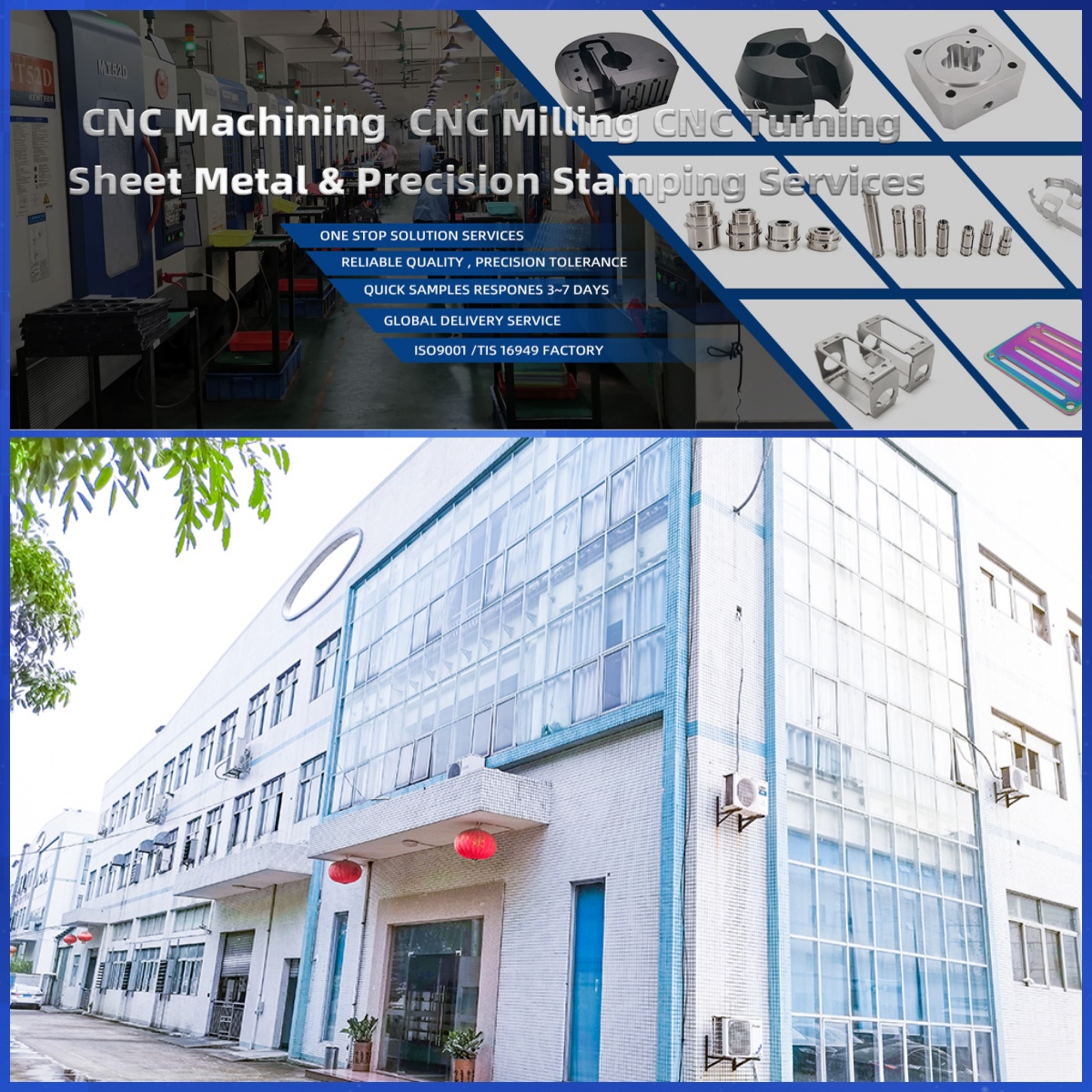
DongGuan YiTai Electronic Technologies Co.,Ltd
DongGuan YiTai Electronic Technologies Co.,Ltd is a manufacturing service provider located in Dongguan, China.
YiTai specialized in CNC turning machining and sheet metal fabrication mainly. As a member of Hung Mou Group, we focus on the overseas marketing development. And based on our parent company’s manufacturing capability and resources, YiTai also expended machining services such as die casting, injection molding, aluminum profile extrusion, 3D printing, which are committed to providing customers with one-stop purchasing services and experience.
CNC MACHINING , CNC MILLING , CNC TURNING , SHEETMETAL , FASTENER , OTHERS




The Revolutionary Role of Teflon (PTFE) in Hardware Applications
Cold Heading Process for Fasteners and Precision
Related Article