Mastering the Art of CNC Drilling: A Comprehensive Guide

1. Introduction
CNC drilling is a fundamental and ubiquitous process in modern machining, responsible for creating the precise holes essential for everything from assembly and fastening to lubrication and design. While conceptually simple, achieving efficient, accurate, and consistent results in CNC drilling requires a deep understanding of the tool, the material, and the interplay between them. This guide delves into the critical aspects of CNC drilling, building on the foundational knowledge of CNC Machining covered in our previous blog.
2. The Fundamentals of the Drill Bit
The drill bit is the heart of the operation. Understanding its geometry and types is the first step to mastery.
2.1 Anatomy of a Cutting Action
A standard twist drill has two main cutting edges. Its unique geometry means the rake angle increases from the center to the outer edge. Crucially, the cutting speed is highest near the outer diameter and decreases to zero at the center. The chisel edge, near the center, often has a large negative rake angle and low cutting speed, generating significant axial thrust force. Properly grinding the chisel edge (e.g., to DIN 1414 A or C type) can create a positive rake angle, drastically reducing this force and improving performance.
2.2 Types of Drill Bits
Selecting the right tool is paramount. Common types include:
-
High-Speed Steel (HSS) Drills: Including standard twist drills, group drills, and spade drills.
-
Solid Carbide Drills: Excellent for hardness, wear resistance, and rigidity.
-
Indexable Insert Drills: Ideal for shallow holes and high-volume production.
-
Specialized Drills: Such as deep-hole drills, trepanning drills, and exchangeable-tip drills for specific applications.
3. The Critical Role of Chip Control
In drilling, chip evacuation is arguably as important as the cutting itself. The process occurs in a confined space, and chips must exit cleanly through the flutes.
3.1 Why Chip Shape Matters
Improper chip shapes like powdery chips or long continuous chips can cause serious problems:
-
Clogging flutes, affecting accuracy and leading to breakage.
-
Wrapping around the tool, hindering operation and preventing coolant flow.
3.2 Strategies for Effective Chip Breaking
Solving chip issues is key to uninterrupted production:
-
Process Adjustments: Increasing feed rate, using peck drilling cycles, or grinding the chisel edge.
-
Specialized Tooling: Using professional chip-breaking drills with designed notches that fracture chips into small, manageable fragments for smooth evacuation. This also improves coolant access and enhances overall rigidity.
4. Achieving Precision: Hole Accuracy in CNC Drilling
Hole quality is defined by size, position, roundness, surface finish, and the absence of burrs.
4.1 Factors Influencing Accuracy
Accuracy is affected by:
-
Toolholding: Wear in collets or chucks causes runout, enlarging holes.
-
Tool Geometry: Drill length, web shape, and regrinding symmetry.
-
Workpiece: Material, entrance surface condition, and clamping.
4.2 Addressing Roundness and Runout
Drill vibration can create polygonal holes (e.g., triangular). This is often due to unbalanced cutting forces. Solutions include:
-
Using high-precision, rigid toolholders.
-
Controlling cutting edge height difference.
-
Increasing drill rigidity, increasing feed per revolution, and reducing the relief angle.
4.3 Drilling on Challenging Surfaces
Drilling on angled or curved surfaces compromises accuracy and tool life. Mitigation strategies include:
-
Spot drilling a pilot location.
-
Milling a flat seat with an end mill first.
-
Using drills with high rigidity and good penetration geometry.
-
Reducing the feed rate upon entry.
4.4 Managing Burrs
Burrs form at hole exits, especially in ductile materials. This is caused by material deformation as the drill breaks through. Proper drill geometry and sharpness are the first line of defense, followed by deburring operations.
5. Optimizing Cutting Conditions for Life & Efficiency
5.1 Balancing Speed and Feed
-
HSS Drills: Life is greatly affected by speed. Increasing feed rate is often the best way to boost efficiency without drastically shortening life (ensure chips remain manageable).
-
Carbide Drills: Life is more sensitive to feed rate. Their heat resistance allows for much higher rotational speeds to maximize productivity.
5.2 The Strategic Use of Cutting Fluids
Cutting fluid is essential for cooling, lubrication, and chip evacuation. Non-water-soluble fluids offer better lubrication, while water-soluble fluids excel at cooling. Regardless of type, ensuring sufficient flow, pressure, and delivery (preferably through internal coolant channels) to the cutting point is critical for tool life and hole quality.
6. Drill Bit Regrinding: Knowing When and How
Regrinding restores performance and is more economical than replacing tools.
6.1 Signs It's Time to Regrind
Monitor for:
-
Visible wear on the cutting edges and margin.
-
Deterioration in hole size, finish, or burr formation.
-
Changes in chip color or shape.
-
Increased power consumption, noise, or vibration.
-
Reaching a predefined number of holes.
6.2 Best Practices for Regrinding
-
Use dedicated drill sharpening machines for consistency.
-
Avoid overheating to preserve hardness.
-
Ensure the point geometry is symmetrical and undamaged.
-
For carbide drills, it is generally best to maintain the original factory geometry, which is engineered for optimal performance.
7. Expert Insight: An Interview with a Tooling Specialist
We sat down with Dr. Emily Roberts, a Senior Applications Engineer with over 20 years of experience in metalworking, for her perspective.
Q: What is the most common mistake you see in CNC drilling setups?
Dr. Roberts: "Two things: underestimating the importance of toolholding rigidity and using the wrong cutting parameters for the material. A premium drill in a worn-out collet will never perform accurately. Similarly, running an HSS drill too fast is a recipe for rapid wear, while running a carbide drill too slow wastes its potential. Always refer to the manufacturer's data and perform test cuts."
Q: Any advice on chip control?
Dr. Roberts: "Don't just hope for the best; design for it. If you're consistently having chip evacuation problems, your first look should be at your peck drilling cycle parameters and coolant delivery. If that doesn't solve it, investing in a dedicated chip-breaking drill is almost always worth the cost in saved downtime and broken tools."
8. CNC Drilling FAQ (Frequently Asked Questions)
Q1: My drill keeps breaking. What could be the cause?
A: Common causes include: improper feed/speed settings (too high or too low), poor chip evacuation causing clogging, excessive runout from a worn toolholder, drilling into an uneven surface without a pilot, or a worn-out drill that should have been reground or replaced.
Q2: How can I improve the hole finish in aluminum?
A: Use a sharp drill with a polished flute. Ensure effective coolant delivery to prevent material adhesion. Higher surface speeds and appropriate feed rates help produce a cleaner shear cut. Consider a drill specifically designed for non-ferrous materials.
Q3: What is 'peck drilling' and when should I use it?
A: Peck drilling (G83) is a cycle where the drill periodically retracts to break chips and clear the flute. Use it for deep holes, in gummy materials that produce long chips, or anytime you have poor chip evacuation to prevent breakage and improve hole quality.
Q4: How does CNC drilling integrate with other processes discussed in the 'CNC Machining' blog?
A: CNC drilling is rarely a standalone process. It is a fundamental operation within a broader CNC Machining workflow. A part may be milled to shape, have its holes drilled, and then those holes may be finished with reaming or tapping—all on the same CNC machining center, demonstrating the integration of multiple subtractive manufacturing techniques.
9. Conclusion
Mastering CNC drilling moves beyond simply commanding a machine to make a hole. It involves a holistic understanding of tool geometry, chip control, material science, and cutting parameters. By focusing on the principles outlined in this guide—selecting the right tool, optimizing conditions for efficient chip evacuation, ensuring rigidity, and maintaining your tools properly—you can transform this basic operation into a bastion of efficiency, accuracy, and reliability in your workshop.
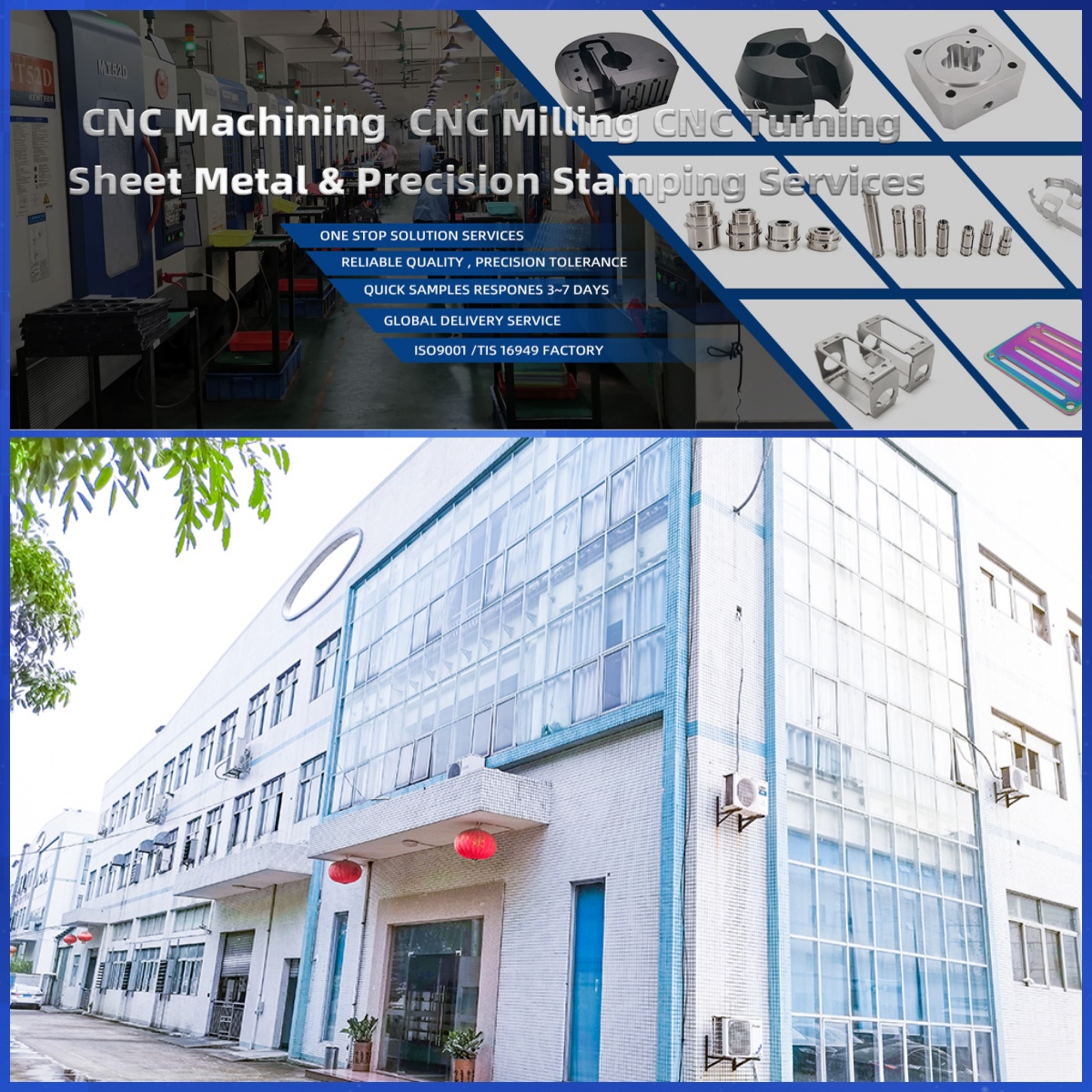
DongGuan YiTai Electronic Technologies Co.,Ltd
DongGuan YiTai Electronic Technologies Co.,Ltd is a manufacturing service provider located in Dongguan, China.
YiTai specialized in CNC turning machining and sheet metal fabrication mainly. As a member of Hung Mou Group, we focus on the overseas marketing development. And based on our parent company’s manufacturing capability and resources, YiTai also expended machining services such as die casting, injection molding, aluminum profile extrusion, 3D printing, which are committed to providing customers with one-stop purchasing services and experience.
CNC MACHINING , CNC MILLING , CNC TURNING , SHEETMETAL , FASTENER , OTHERS




Laser Marking in the Hardware Industry: A Guide to Permanent, High-Quality Traceability and Branding
The Revolution of Die-Cast Parts in the Automotive Industry
Related Article