Surface Finishing for Custom CNC Components: Anodizing vs. Plating vs. Brushing — A Complete Comparison
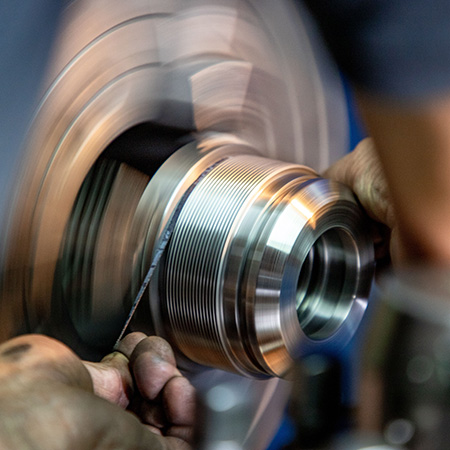
A CNC-machined part fresh off the mill is bare metal. It has machining marks. It has no corrosion protection. It has a dull, industrial look. Surface finishing is not an add-on — it is the step that turns a machined component into a finished product that meets its functional and visual specification. This guide compares anodizing, electroplating, and brushing — the three most common finishing choices for CNC components — so you can pick the right one with confidence.
1. Why Surface Finishing Matters for Precision Metal Parts
1.1 Corrosion Resistance, Wear Protection, and Aesthetic Enhancement
Raw metal surfaces have two problems. First, they corrode. Aluminum forms a weak natural oxide. Steel rusts. In humid environments, unprotected CNC parts fail in weeks. Second, they look unfinished. Machining lines, burrs, and rough edges are not acceptable on a customer-facing product.
A proper surface finish solves three things at once:
- Corrosion resistance: A sealed anodized layer or a nickel plating coating isolates the base metal from moisture, salt spray, and chemical exposure. This directly extends the service life of the part.
- Wear protection: Hard anodizing and electroless nickel plating can bring surface hardness to 400–500 HV or above. Moving parts — shafts, bushings, guide rails — last longer with the right finish.
- Aesthetic quality: A brushed stainless steel faceplate or a color-anodized aluminum enclosure creates the visual quality that earns a premium price. For consumer electronics and medical devices, the finish is the first thing the customer notices.
"The surface finish on a CNC part is not cosmetic — it is a functional layer. Get it wrong, and the part corrodes in three months. Get it right, and the same design outlasts the product it was built into."— Dr. Sarah Whitmore, Materials Science Researcher, University of Sheffield, published in Surface and Coatings Technology Journal, January 2026
2. Common CNC Part Surface Finishing Processes — In-Depth Analysis
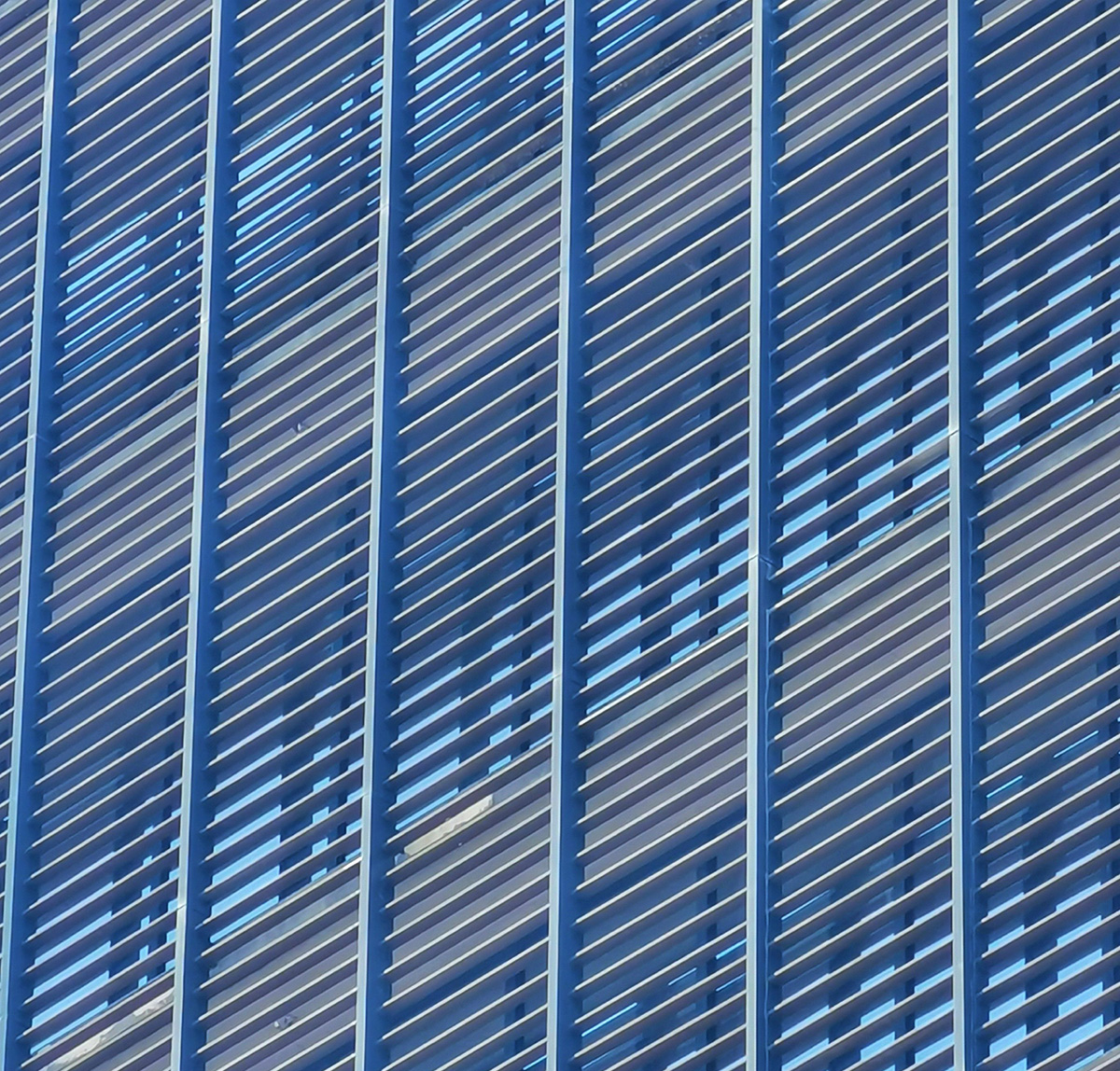
Different finishes serve different purposes — anodizing for aluminum, plating for conductivity, brushing for aesthetics.
2.1 Anodizing: The First Choice for Aluminum Components
Anodizing is an electrochemical process that grows a controlled oxide layer on the aluminum surface. The oxide is not a coating — it is part of the metal. This means it cannot flake, chip, or peel.
How it works:
The aluminum part is submerged in an acid electrolyte bath. An electric current passes through. Oxygen ions bond with the aluminum surface, creating a porous oxide layer that can then be sealed or dyed. The result is a hard, corrosion-resistant, and (if dyed) colorful surface.
Type II — Standard Anodizing
Layer thickness: 5–25 µm. Accepts dye well. Best for consumer products, enclosures, and decorative parts. Moderate wear resistance.
AluminumColorDecorativeType III — Hard Anodizing
Layer thickness: 25–150 µm. Very hard (350–500 HV). Dark gray to black. Best for wear surfaces, pistons, aerospace components.
AluminumWearAerospaceThe main limit of anodizing: it only works on aluminum and titanium. Steel, stainless steel, and copper alloys cannot be anodized and need different processes.
2.2 Plating: Enhancing Conductivity and Surface Hardness
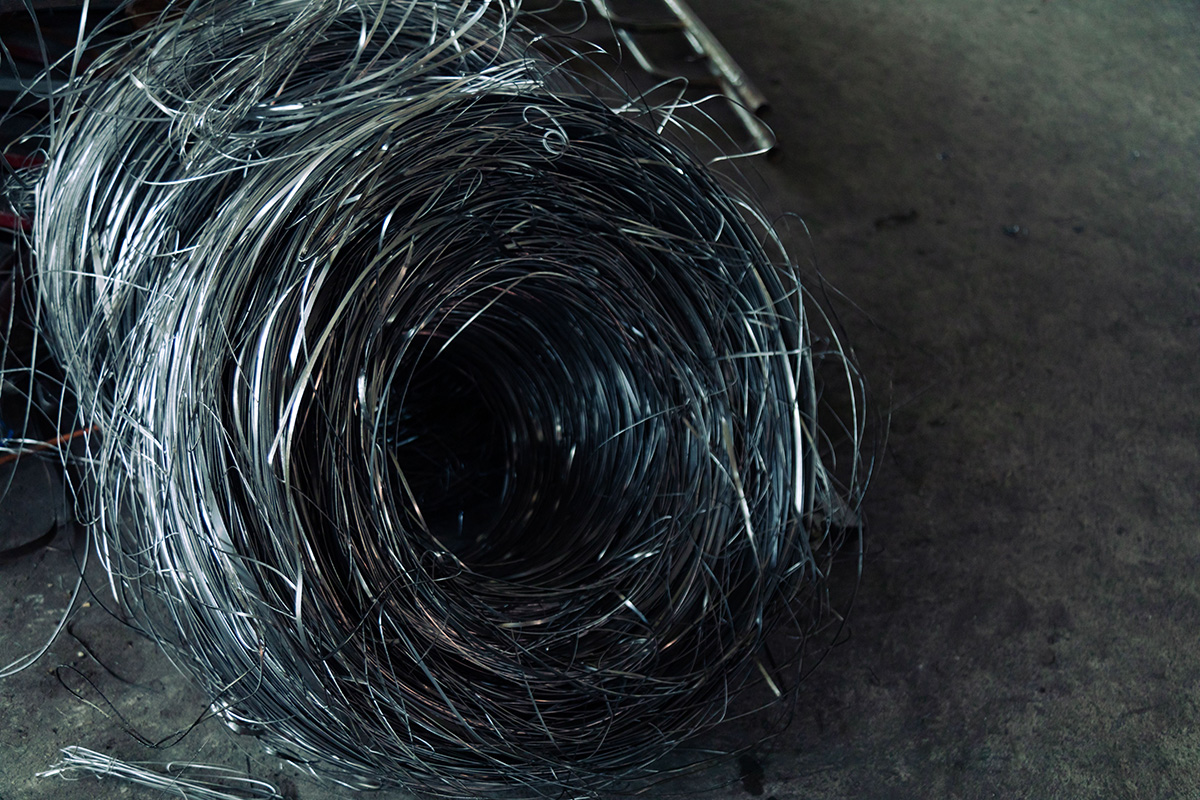
Electroplating deposits a functional metal layer — nickel for hardness, gold for conductivity, zinc for corrosion protection.
Electroplating deposits a thin layer of another metal onto the part surface using an electric current. Unlike anodizing (which converts the surface), plating adds material to the surface. This opens up options that anodizing cannot offer.
| Plating Type | Thickness Range | Hardness | Best For | Base Material |
|---|---|---|---|---|
| Electroless Nickel | 5–50 µm | 450–550 HV (as-plated) | Wear parts, chemical resistance | Steel, Stainless, Aluminum |
| Hard Chrome | 10–200 µm | 800–1,000 HV | Shafts, hydraulic rods, dies | Steel, Stainless |
| Zinc (with passivation) | 5–25 µm | Low (sacrificial) | Corrosion protection for steel | Steel |
| Gold / Silver | 0.5–5 µm | Very low | Electrical contacts, connectors | Copper, Brass, Steel |
The biggest advantage of plating is substrate flexibility. Steel parts can be nickel-plated for hardness. Copper connectors can be gold-plated for conductivity. No single finishing method covers as many material-and-function combinations.
"Electroless nickel plating is the go-to for precision mechanical parts. It deposits evenly everywhere — inside bores, around corners — without the edge buildup you get from electroplating. For parts with tight internal features, this matters a lot."— André Lemoine, Senior Surface Engineering Consultant, CETIM (French Technical Centre for Mechanical Industry), 2025 Surface Finishing Symposium
2.3 Brushing: Texture Treatment for Premium Appearance Parts
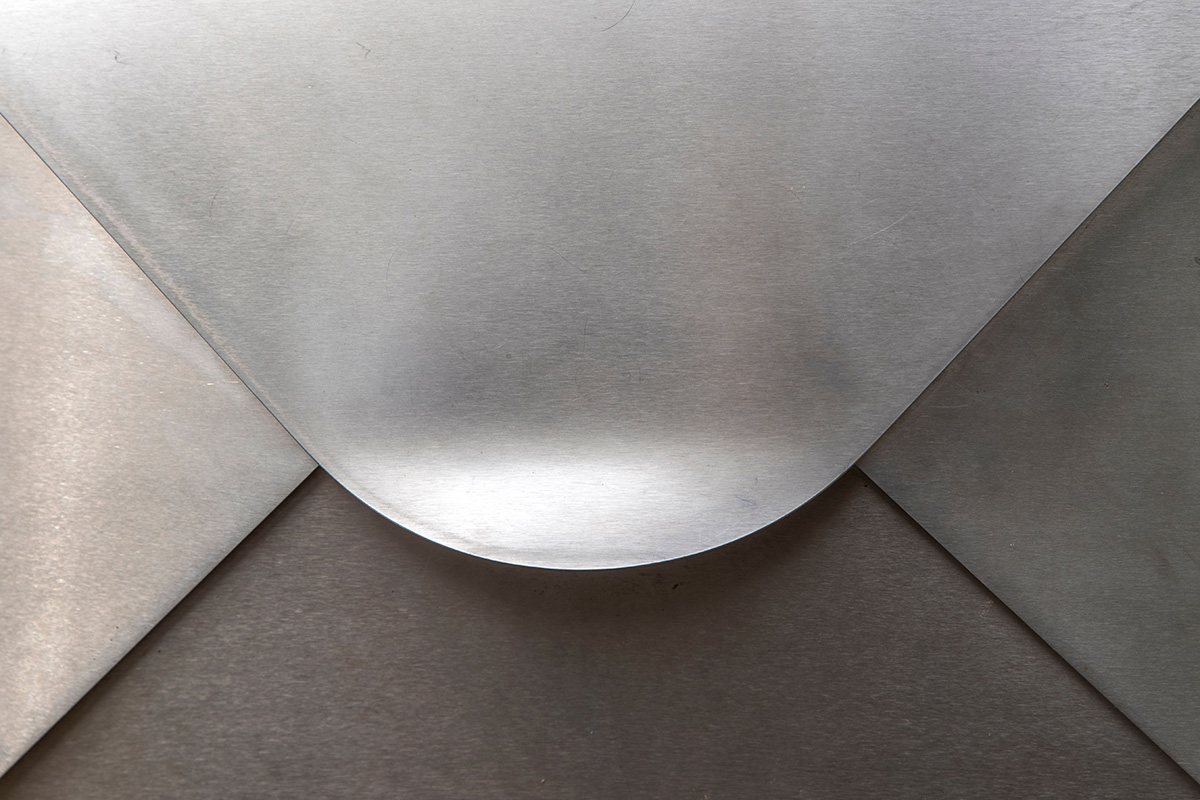
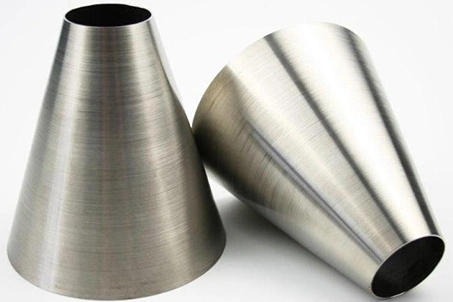
Brushing creates a directional grain on stainless steel and aluminum — the signature look of premium consumer products.
Brushing is a mechanical process. Abrasive belts or wheels pass over the metal surface in a single direction, creating a fine, uniform grain. It is different from anodizing and plating because it does not add a functional layer — it changes the texture and reflectivity of the base metal itself.
What brushing delivers:
- Fingerprint hiding: The subtle grain breaks up smooth reflections, so smudges are far less visible. This is why brushed finishes dominate on phone cases, laptops, and kitchen appliances.
- Scratch camouflage: Minor scratches blend into the directional grain pattern. A polished surface shows every scratch; a brushed surface absorbs them.
- Consistent appearance: Unlike plating or anodizing, brush-finished parts from different batches look nearly identical — the grain is mechanically controlled. This matters for brand consistency.
Brushing works on stainless steel, aluminum, and brass. It is often combined with a clear protective coating (lacquer or clear anodize) for parts that need both the brushed look and corrosion resistance.
Head-to-Head: Anodizing vs. Plating vs. Brushing at a Glance
| Property | Anodizing (Type II / III) | Plating (Electroless Ni / Hard Cr) | Brushing (Mechanical) |
|---|---|---|---|
| Process type | Electrochemical (surface conversion) | Electrochemical (metal deposition) | Mechanical (abrasive) |
| Compatible materials | Aluminum, Titanium only | Steel, Stainless, Copper, Aluminum | Stainless Steel, Aluminum, Brass |
| Corrosion resistance | Excellent (sealed) | Excellent (barrier layer) | Poor (needs clear coat) |
| Wear resistance | High (Type III: 350–500 HV) | Very High (800–1,000 HV Cr) | None (cosmetic only) |
| Color options | Wide (any dyeable color) | Limited (metal tones only) | Base metal color only |
| Dimensional change | ~50% growth, 50% penetration | Build-up: 5–50 µm predictably | Negligible |
| Cost (relative) | $$ (Type II) to $$$ (Type III) | $$ to $$$ (varies by metal) | $ |
| Best use case | Aluminum consumer products, aerospace | Wear parts, electrical, corrosion-critical | Visible panels, consumer electronics |
3. How to Choose the Right Surface Finish for Your CNC Project
3.1 A Decision Matrix Based on Application and Material
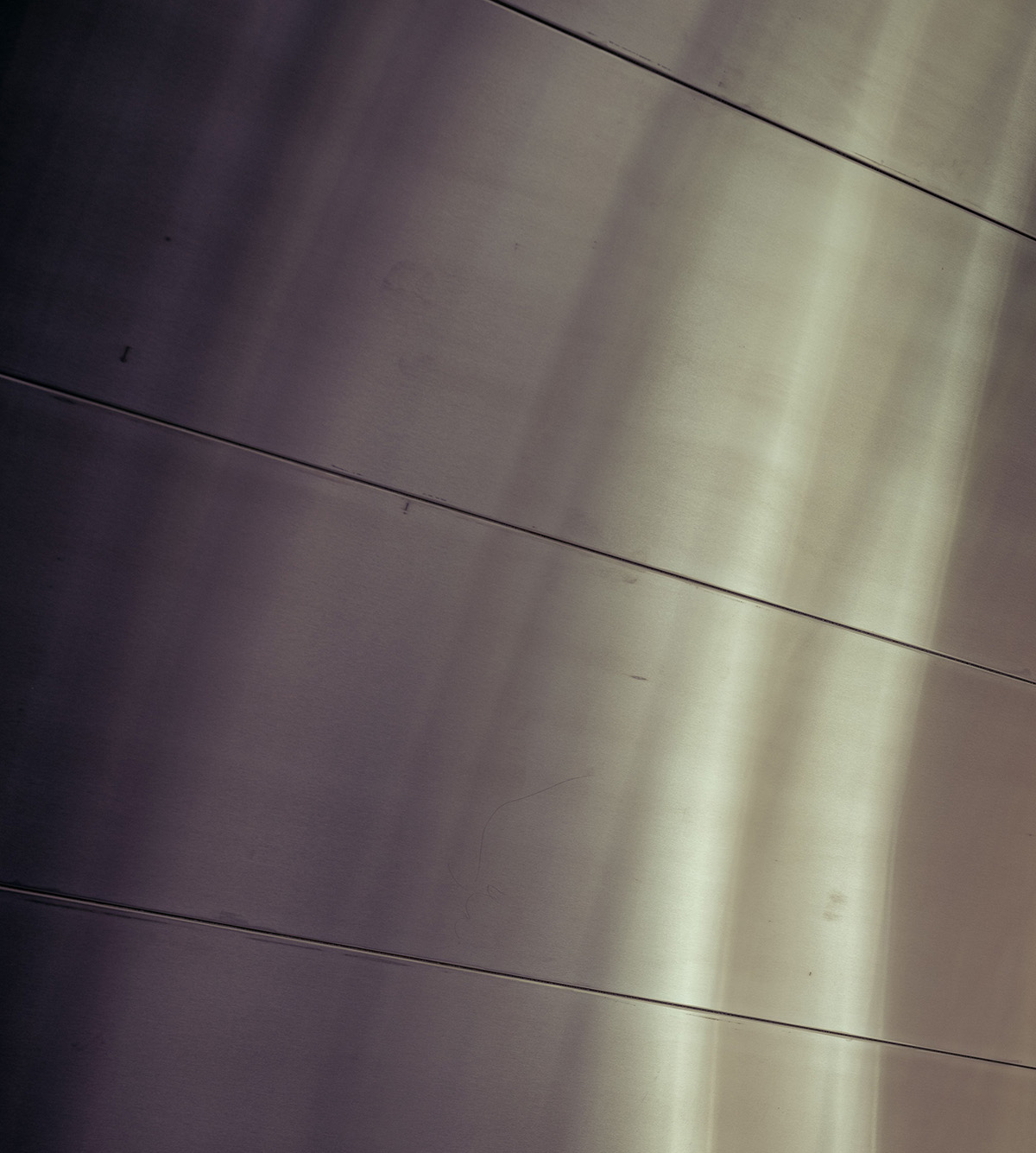
The right finish decision depends on material, application environment, and end-user expectation — not just cost.
The choice between anodizing, plating, and brushing comes down to three questions:
- What is the base material? If it is aluminum, anodizing is almost always the best starting point. If it is steel, plating or brushing is the path. Material is the first filter.
- What is the operating environment? Outdoor? Salt spray? High humidity? Prioritize corrosion resistance. Indoor consumer product? Brushing may be enough with a clear coat.
- What is the end-user expectation? A medical device handle needs both corrosion resistance and a premium feel. A bracket inside an industrial machine needs wear resistance, not looks.
| Application Scenario | Material | Recommended Finish | Reason |
|---|---|---|---|
| Consumer electronics housing | Aluminum 6061 | Type II Anodizing (colored) | Color options + corrosion protection + light weight |
| Aerospace hydraulic manifold | Aluminum 7075 | Type III Hard Anodizing | Maximum wear resistance under high pressure |
| Shaft / linear guide | Steel C45 / 4140 | Hard Chrome Plating | High hardness (800+ HV) for sliding wear |
| Electrical connector pin | Brass / Copper | Gold or Silver Plating | Minimum contact resistance, maximum conductivity |
| Automotive bracket (exterior) | Steel | Zinc Plating + Passivation | Cost-effective outdoor corrosion protection |
| Medical device front panel | Stainless 304 | Brushing + Clear Coat | Premium look, fingerprint resistance, easy to clean |
| Precision die insert | Tool steel D2 | Electroless Nickel | Uniform coating, protects die from galling |
3.2 Contact Our Surface Finishing Experts for Recommendations
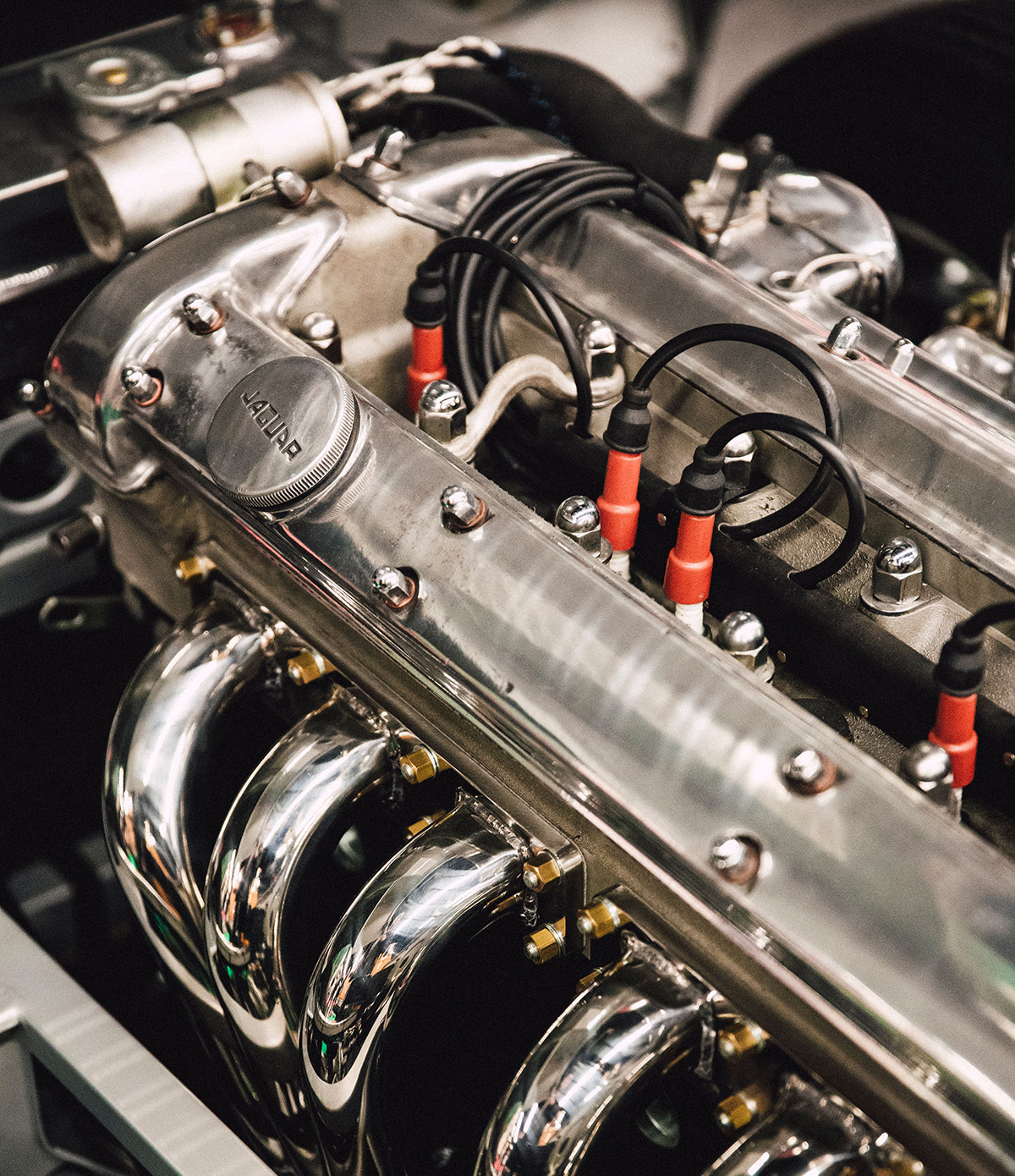
DongGuan YiTai runs in-house and tightly managed external finishing lines — one point of contact for the complete part.
Every project is different. Your part geometry, tolerance stack, quantity, and lead time all affect which finish makes sense. A free surface finishing consultation with our engineering team covers:
What You Get from a YiTai Surface Finishing Consultation
- Material-specific finishing recommendations — including compatible processes you may not have considered
- Cost comparison: Anodizing vs. plating vs. brushing for your exact part size and quantity
- Dimensional impact analysis: How much the finish adds or removes, and whether your tolerances still hold
- Sample availability: Finish sample panels or small-batch trial parts before full production commitment
- Combined finishing strategies: Brushed + clear anodized. Nickel-plated + passivated. We design the stack.
DongGuan YiTai manages the entire finishing workflow — from the CNC machine to the finishing line to final inspection — under one quality system. No hand-offs between separate vendors. No finger-pointing when a finish does not meet spec.
Not Sure Which Finish Fits Your Part? Talk to an Expert.
Upload your 3D file or drawing. Our surface finishing engineers review it and return a detailed recommendation within 24 hours — including cost, lead time, and alternative options. Free. No obligation.
Request Finishing Consultation →4. Frequently Asked Questions
Can I combine two surface finishes on the same part?
Yes — this is common. The most frequent combination is brushing + clear anodizing on aluminum consumer products: brushing provides the texture, and the clear anodize layer provides corrosion protection while keeping the grain visible. Another is nickel plating + chromate passivation for maximum corrosion resistance on steel. Masking is used to apply different finishes to different areas of the same part, but this adds cost and should be discussed early in the design stage.
How does surface finishing affect tight CNC tolerances?
Different finishes affect dimensions differently. Anodizing grows the surface — roughly 50% of the oxide layer goes outward (adds thickness), 50% penetrates inward. This must be compensated in the machining size. Electroplating adds material uniformly with minimal penetration. Brushing removes a small amount of material (typically 2–5 µm). For tight-tolerance features like bearing fits and dowel holes, always tell your machinist the final finish so they can adjust the pre-finish dimensions accordingly.
What is the typical lead time for surface finishing on CNC parts?
Lead times vary by process: brushing is fastest — same-day or next-day for most parts. Anodizing (Type II) typically takes 2–4 working days including sealing and dyeing. Hard anodizing (Type III) takes 3–5 days because the thicker oxide layer grows more slowly. Electroless nickel plating takes 3–5 working days. Rush service (24–48 hours) is available for most finishes at a premium.
Can stainless steel be anodized?
No. Standard anodizing only works on aluminum and titanium. Stainless steel cannot form the porous oxide layer required for anodizing. For stainless parts, use brushing for appearance, electropolishing for a bright finish, or passivation for corrosion resistance. These are separate chemical or mechanical processes, not anodizing.
What is the minimum order quantity for custom finishing?
There is no fixed minimum for most surface finishing processes. Single prototype parts can be anodized, plated, or brushed. However, batch processing (especially for plating) is more cost-effective at quantities above 20–50 parts because of bath setup and fixturing time. For single-digit prototype quantities, manual brushing and small-tank anodizing are the most practical choices.
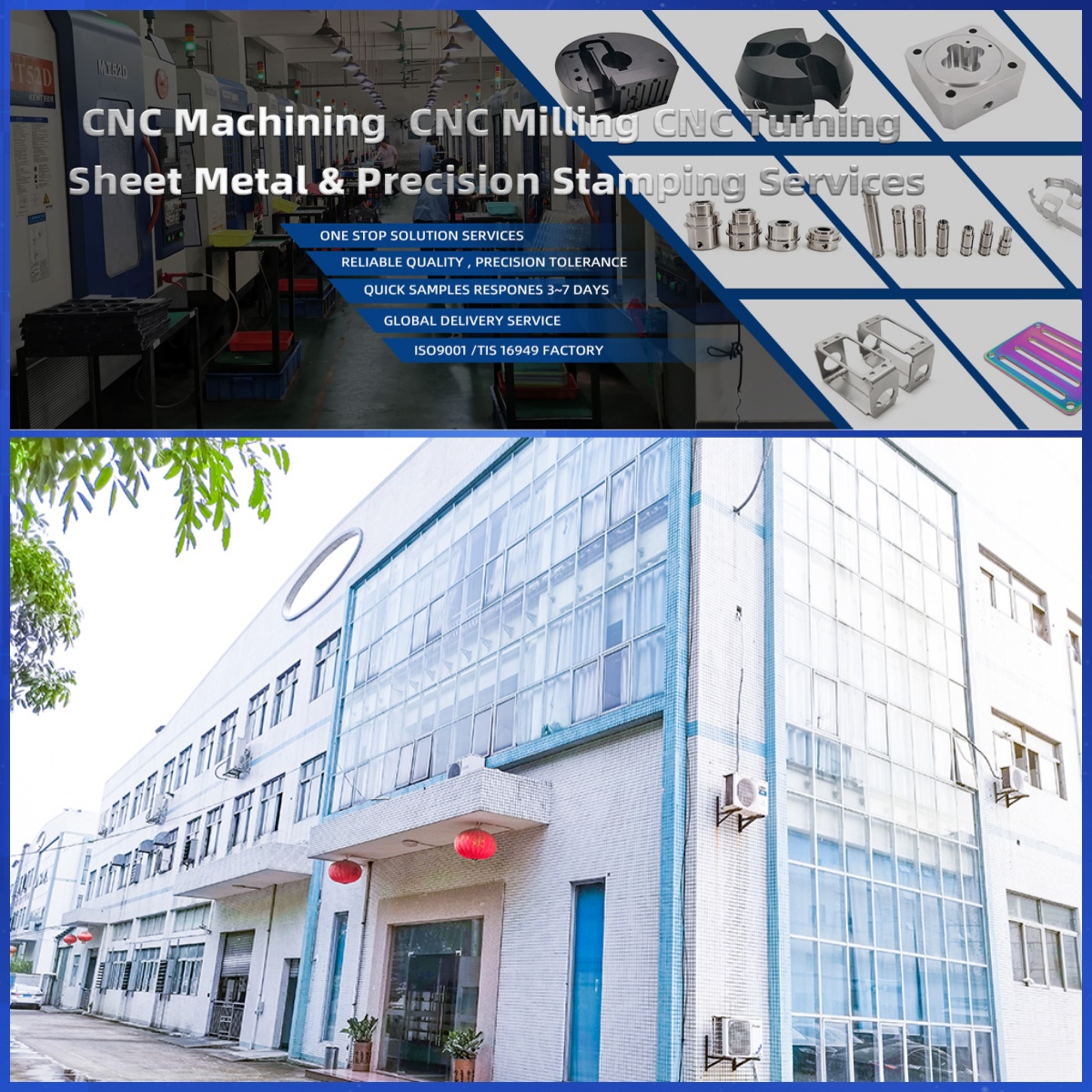
DongGuan YiTai Electronic Technologies Co.,Ltd
DongGuan YiTai Electronic Technologies Co.,Ltd is a manufacturing service provider located in Dongguan, China.
YiTai specialized in CNC turning machining and sheet metal fabrication mainly. As a member of Hung Mou Group, we focus on the overseas marketing development. And based on our parent company’s manufacturing capability and resources, YiTai also expended machining services such as die casting, injection molding, aluminum profile extrusion, 3D printing, which are committed to providing customers with one-stop purchasing services and experience.
CNC MACHINING , CNC MILLING , CNC TURNING , SHEETMETAL , FASTENER , OTHERS




Precision CNC Secondary Machining for Roll-Formed Parts: A Complete Guide
Custom CNC Machining Services for Progressive Stamping: What to Look for in a Precision Partner
Related Article