The Complete Guide to Door Handles: Applications, Manufacturing, and Material Selection

1. The Wide World of Door Handle Applications

Door handles serve a fundamental purpose in our everyday lives. Their use extends far beyond simply opening a door.
In residential and commercial buildings, they provide security, privacy, and a distinct style element. The choice of handle can define the character of a room, from ornate classical designs to minimalist modern styles. Beyond aesthetics, they are engineered for durability and reliability, often undergoing rigorous testing to ensure long-term performance. High-quality door handles, for instance, can be tested to withstand over 500,000 cycles of operation.
Industrial applications demand handles that can withstand harsher environments. Here, you'll find handles made from stainless steel or robust alloys, designed to resist corrosion, heavy use, and even extreme temperatures. These handles often prioritize function and safety, with designs that can be easily operated even with gloves on.
A particularly interesting and evolving application is in the automotive industry. The recent shift towards hidden or flush door handles in modern vehicles, especially electric cars, highlights how application influences design. These handles prioritize aesthetics and aerodynamics but have sparked significant debate regarding safety and reliability in emergency situations.
2. Choosing the Right Material
The material of a door handle is a critical decision affecting its appearance, feel, durability, and cost.


-
Stainless Steel (SS304 & SS316): A premium choice known for its exceptional corrosion resistance, high strength, and modern aesthetic. It's often chosen for its "green" qualities—it's recyclable and maintains its finish without plating. Brands like Liandun promote their use of imported SUS304/316 stainless steel, offeringlifelong warranty for their products. It's ideal for high-use areas, coastal environments, and applications requiring hygiene due to its inherent antimicrobial properties.
-
Zinc Alloy: Perhaps the most common material for decorative handles. It's favored for its excellent casting properties, allowing for intricate and detailed designs. While zinc itself is not particularly wear-resistant, handles are typically electroplated with finishes like chrome, nickel, or brass to provide a durable and attractive surface layer.
-
Specialized Alloy Steels: For applications demanding extreme wear resistance and mechanical strength, specialized alloys are used. These can involve precise compositions of carbon, silicon, manganese, molybdenum, and other elements. These advanced materials undergo specific heat treatment processes to achieve their enhanced properties.
-
Aluminum Alloy: Valued for being lightweight and corrosion-resistant, aluminum is often used in modern design applications. It can be anodized to create a hard, durable surface in various colors, or used in its natural brushed or polished state.
-
Other Materials: Handles often incorporate glass, crystal, or ceramic for decorative elements, providing a touch of elegance and luxury. Solid brass is a traditional choice, often seen in classic designs, and is typically finished with a protective plating. Plastics and nylons are common for industrial and machinery handles where electrical insulation or cost is a primary concern.
3. How Door Handles are Made
The manufacturing process varies significantly depending on the material and design intent. Here's a look at common techniques:
3.1 Metal Forming Processes

-
Casting: Molten metal is poured into a mold to create complex shapes. Stainless steel handles are often made through precision casting (investment casting), which allows for detailed designs and a seamless appearance without visible screw holes.
-
Forging: This involves shaping metal using compressive force. It produces handles with superior strength and a dense grain structure, making them highly durable.
-
Stamping: Used for creating simpler, flatter components like backplates from sheet metal. It's a high-volume, cost-effective method.
-
CNC Machining: A subtractive process where a solid block of material is carved into the final shape using computer-controlled tools. This allows for high precision and complex geometries but is generally more expensive and used for low-volume or high-end products.
3.2 Surface Finishing
The surface finish is crucial for both aesthetics and protection.
-
Polishing & Brushing (Lining): Creates a smooth, reflective (polished) or a textured, grain-like (brushed) surface. Stainless steel is often finished with watch-making polishing techniques for a flawless look.
-
Electroplating: A process where a thin layer of metal (like chrome, nickel, or brass) is deposited onto the surface. This provides corrosion resistance and the desired color and sheen. Performance is often validated by rigorous tests like the 96-hour salt spray test.
-
Anodizing: Primarily for aluminum, this electrochemical process thickens the natural oxide layer, creating a hard, durable, and corrosion-resistant surface that can also be dyed in various colors.
-
Powder Coating: A dry finishing process where a powder is applied electrostatically and then cured under heat. It creates a thick, durable, and consistent finish available in almost any color.
3.3 Quality Control
Rigorous testing is essential. This includes:
-
Durability Cycle Testing: Ensuring mechanisms can withstand hundreds of thousands of operations.
-
Corrosion Testing: Such as salt spray testing to validate plating quality.
-
Strength and Load Testing: Verifying that handles can withstand intended forces without failure.
-
Fire Rating Certification: For building doors, handles may need to meet specific fire safety standards, like China's Grade A rating for 90-minute fire resistance.
4. The Special Case: Automotive Door Handles
The automotive industry presents a unique and technically challenging application for door handles. The recent trend toward hidden or flush door handles (popularized by Tesla and adopted by many EV manufacturers) prioritizes aesthetics and aero-dynamics, aiming to reduce wind resistance for increased range.
However, this design shift has introduced significant safety concerns:
-
Power Dependency: Many electronic handles may fail during a crash if vehicle power is lost or wiring is damaged.
-
Rescue Complications: Emergency responders and bystanders may be unfamiliar with the location or operation of hidden manual overrides.
-
Inconsistent Design: The lack of standardization means emergency release mechanisms vary greatly between manufacturers.
These concerns have prompted regulatory action. In May 2025, China's Ministry of Industry and Information Technology (MIIT) proposed a new mandatory national standard—"Technical Safety Requirements for Automobile Door Handles"—to address these risks.
The standard aims to mandate safety redundancies, such as:
-
Mechanical or power-fail-safe designs to ensure doors can be opened after a collision or fire, even without power.
-
Clear, standardized markings for hidden interior emergency handles.
-
Strength requirements to prevent failure in an accident.
-
Anti-pinch protection for powered handles.
This move highlights a critical lesson for hardware design: form must never compromise critical function, especially safety.
5. Expert Insights and Industry Standards
The debate around automotive door handles offers valuable expert perspectives on the broader philosophy of design.
Great hardware design balances aesthetics, functionality, reliability, and safety. As seen in the automotive industry, over-prioritizing one aspect (like a sleek aesthetic) can lead to compromises elsewhere (like emergency access). Experts like Great Wall Motors' Chairman, Wei Jianjun, have publicly criticized hidden handles, noting their drawbacks in complexity, weight, noise, and potential for failure during a power outage or collision, while arguing their aerodynamic benefit is "almost negligible."
Furthermore, standardization and clear communication are vital. A Tesla representative pointed out a key issue: "Currently, the hidden door handles and the form and location of emergency switches from various automakers are all different. There is no unified standard, which makes it difficult for passersby to know how to open the doors." This lack of consistency can have serious consequences in a crisis.
The push for new standards signals a broader principle: "function over form" is reasserting itself. It's a reminder that innovation should solve real problems without introducing new risks, and that good design is always human-centered, considering the user even in the most stressful and unpredictable scenarios.
6. Frequently Asked Questions
Q1: What does a "96-hour salt spray test" mean for a door handle?
This is a standard accelerated corrosion test (ASTM B117). A handle is placed in a sealed chamber and exposed to a continuous salty mist. Passing a 96-hour test indicates high-quality plating or stainless steel material that will likely withstand years of exposure to humid, salty, or otherwise corrosive environments without rusting or degrading.
Q2: Are hidden door handles on cars actually less safe?
They can be, which is why regulators are acting. Their primary risk is dependency on electricity to operate. In a severe collision that cuts power or damages sensors, electronic handles might not function, potentially trapping occupants. New proposed standards aim to mandate redundant mechanical systems or backup power to ensure they can always be opened in an emergency.
Q3: What's the advantage of a precision-cast (investment cast) handle?
Precision casting allows for creating complex, intricate shapes with a smooth, seamless appearance and excellent structural integrity. It often results in a higher-quality feel and the ability to design handles without visible screw holes, offering a cleaner aesthetic.
Q4: How do I choose the right door handle material for a coastal home?
Stainless steel (Grade 316 or 304) is the strongest recommendation for coastal areas. Grade 316 (marine-grade) offers the best resistance to saltwater corrosion. Its inherent properties mean its protection won't wear off like a plating might over time.
Q5: Is a forged handle really better than a cast one?
It depends on the application. Forging aligns the metal's grain structure, generally creating a stronger, more impact-resistant part. It's ideal for high-stress applications. Casting is better for achieving complex, detailed designs and can still produce very strong components, especially with modern techniques and materials.
DongGuan YiTai Electronic Technologies Co.,Ltd
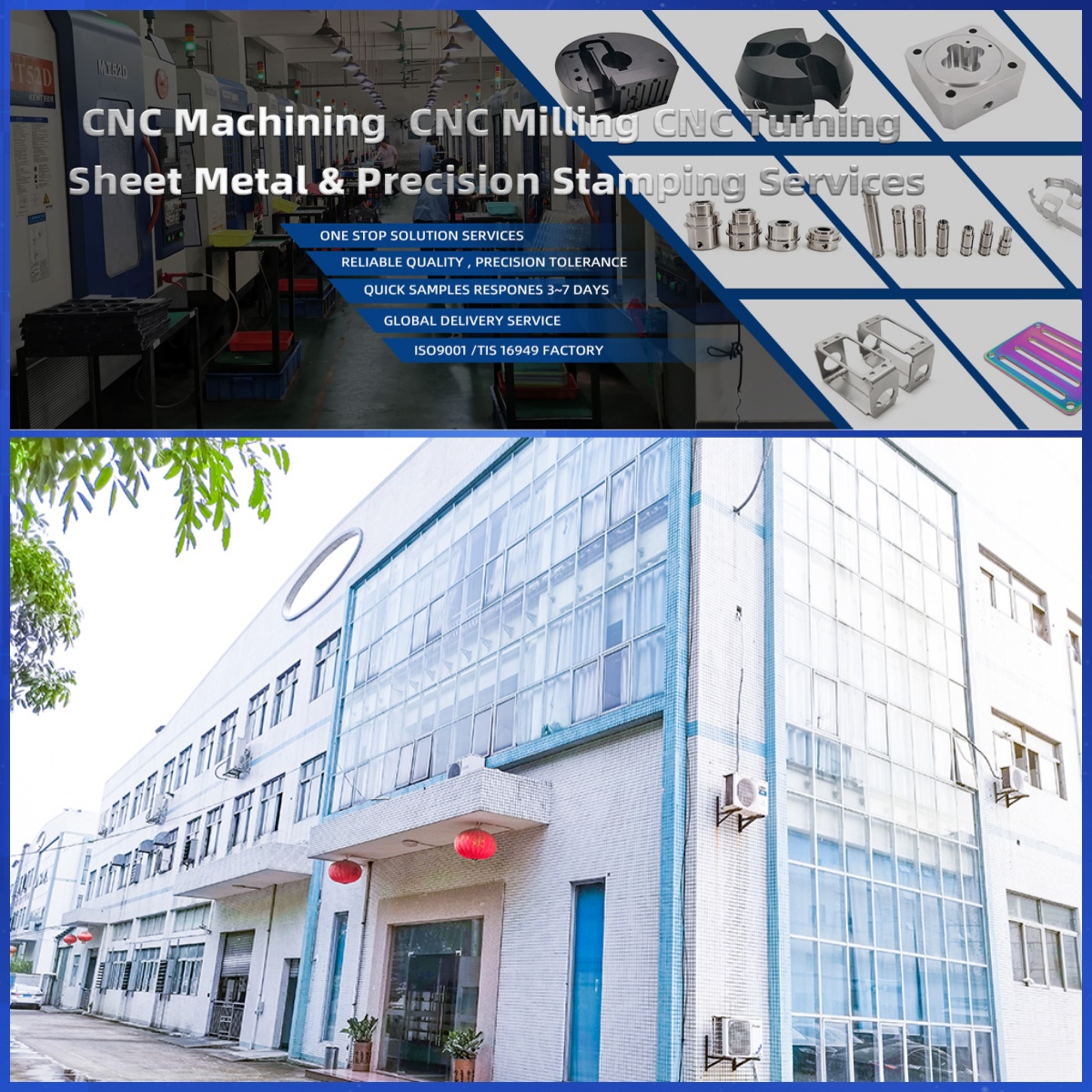
DongGuan YiTai Electronic Technologies Co.,Ltd is a manufacturing service provider located in Dongguan, China.
YiTai specialized in CNC turning machining and sheet metal fabrication mainly. As a member of Hung Mou Group, we focus on the overseas marketing development. And based on our parent company’s manufacturing capability and resources, YiTai also expended machining services such as die casting, injection molding, aluminum profile extrusion, 3D printing, which are committed to providing customers with one-stop purchasing services and experience.
CNC MACHINING , CNC MILLING , CNC TURNING , SHEETMETAL , FASTENER , OTHERS




Essential Steps to Master CNC Machining Centers: From Setup to Inspection
The Precision Engineering Behind Electronics Chassis I/O Shields: Advanced Materials and Manufacturing Processes
Related Article