Copper's Melting Point and Characteristics in the Hardware Industry

- What is Copper's Melting Point (Critical for Hardware Processing)?
- Key Characteristics of Copper & Its Alloys in Hardware Manufacturing
- How Melting Point and Characteristics Shape Hardware Processing
- Expert Insights: Why Copper Dominates Hardware Applications
- Common Copper-Based Hardware Products & Their Dependencies
- FAQs: Copper in Hardware Manufacturing
1. What is Copper's Melting Point (Critical for Hardware Processing)?
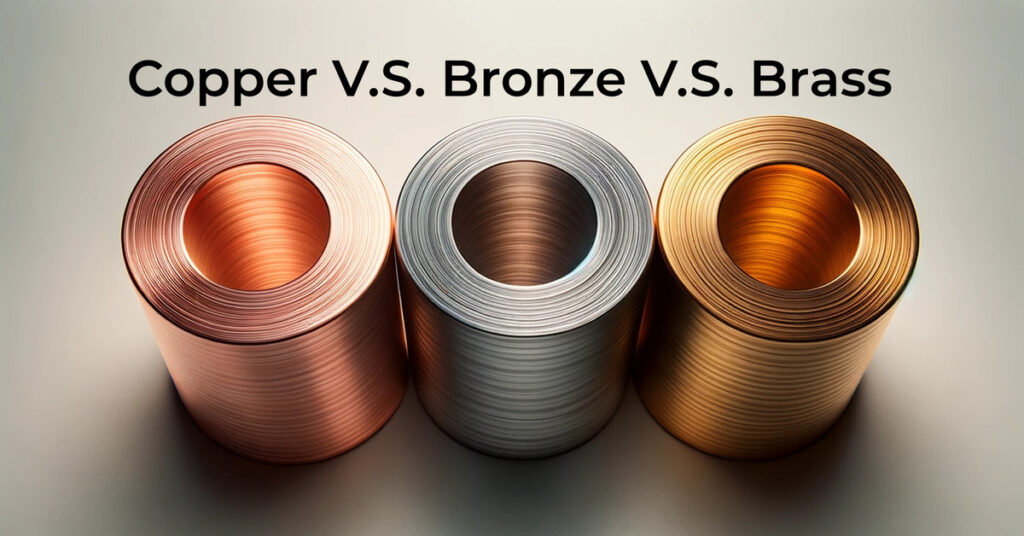
- Pure copper (99.9%+ purity): Melts at 1,083°C (1,981°F). It’s less common in hardware (due to lower strength) but used in specialized parts like high-conductivity connectors.
- Brass (copper-zinc alloy): The most widely used copper alloy in hardware, with a melting point of 900–940°C (varies by zinc content: higher zinc = lower melting point). Its lower melting point makes it ideal for casting intricate hardware components.
- Bronze (copper-tin alloy): Melts at 950–1,050°C, depending on tin ratio. Valued in hardware for wear resistance, it’s used in bearings and heavy-duty fasteners.
2. Key Characteristics of Copper & Its Alloys in Hardware Manufacturing
High Ductility & Malleability
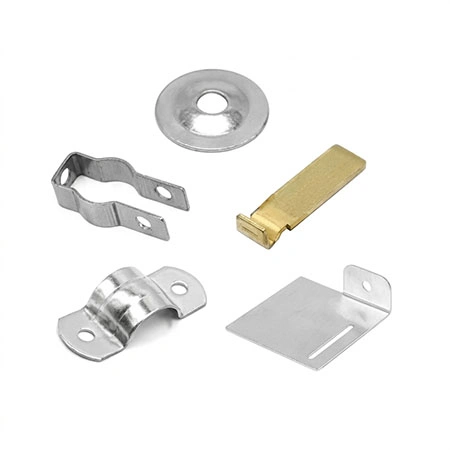
- Copper washers (stamped into precise shapes).
- Brass hinges (bent into hinges without breaking).
- Decorative hardware (e.g., door handles) formed into intricate designs via forging.
Corrosion Resistance
- Bathroom hardware (faucets, showerheads) exposed to moisture.
- Outdoor hardware (gate latches, bolts) enduring rain and humidity.
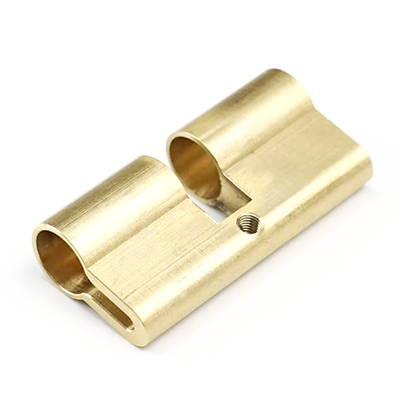
Machinability
Strength (When Alloyed)
- Heavy-duty fasteners (bolts, screws) in machinery.
- Load-bearing hardware (door locks, window brackets).
Aesthetic Appeal
3. How Melting Point and Characteristics Shape Hardware Processing
- Casting: Brass's low melting point (900–940°C) allows it to flow into complex molds (e.g., faucet bodies with internal channels) with minimal energy. Pure copper's higher melting point makes it less efficient for casting but better for high-purity parts.
- Welding/Brazing: Brass welds easily at lower temperatures, reducing warping risk in delicate hardware (e.g., jewelry clasps). Bronze requires higher heat but forms stronger joints, useful for heavy hardware.
- Cold Working: Ductile copper alloys (like brass) are often cold-formed (e.g., bending sheet brass into brackets) to harden them without melting, enhancing strength for load-bearing roles.
4. Expert Insights: Why Copper Dominates Hardware Applications
5. Common Copper-Based Hardware Products & Their Dependencies

- Faucets & Plumbing Fittings: Brass (corrosion resistance, easy casting of internal threads).
- Screws & Nuts: Brass (machinability for precise threads; rust resistance).
- Door Handles & Decorative Hardware: Brass or copper (aesthetics, patina development).
- Bearings & Bushings: Bronze (wear resistance, high strength under friction).
6. FAQs: Copper in Hardware Manufacturing
A: Pure copper is softer and pricier, while brass (copper-zinc) offers better strength, machinability, and corrosion resistance at a lower cost—ideal for mass-produced hardware.
A: Lower melting points (e.g., brass) reduce energy use in casting, lowering production costs. This is why brass is preferred over pure copper for large-scale hardware.
A: Yes—copper alloys are 100% recyclable without losing properties. This aligns with the hardware industry's shift toward sustainability, as recycled brass costs 30–40% less than virgin material.
A: Clear lacquers or plating (e.g., chrome over brass) seal the surface, preventing patina formation. For decorative pieces, some manufacturers leave them uncoated to let the natural patina develop.
DongGuan YiTai Electronic Technologies Co.,Ltd
DongGuan YiTai Electronic Technologies Co.,Ltd is a manufacturing service provider located in Dongguan, China.
YiTai specialized in CNC turning machining and sheet metal fabrication mainly. As a member of Hung Mou Group, we focus on the overseas marketing development. And based on our parent company’s manufacturing capability and resources, YiTai also expended machining services such as die casting, injection molding, aluminum profile extrusion, 3D printing, which are committed to providing customers with one-stop purchasing services and experience.
CNC MACHINING , CNC MILLING , CNC TURNING , SHEETMETAL , FASTENER , OTHERS




Laser Cutting in the Hardware Industry: Applications, Processes, Pros, and Cons
CNC Machining of Plastics: A Comprehensive Guide
Related Article