Deep Dive into Brass: An Engineer's Irreplaceable Core Material for Precision Machining

This guide explains what brass really is. It covers the composition, the key grades, and the six properties that make it special. You will also learn how to machine brass for the best results.
-
What Exactly Is Brass? – Composition and Basic Classification
-
Six Core Properties That Drive Material Choice in Precision Manufacturing
-
Comparison: Brass vs Bronze vs Copper – When to Choose Brass
1. What Exactly Is Brass? – Composition and Basic Classification
Brass is an alloy of copper (Cu) and zinc (Zn) . By changing the amount of zinc, you get different properties. Most brass has 50–95% copper and 5–50% zinc. Small amounts of other elements (lead, tin, iron) can be added for special purposes.
Phases of Brass – Why They Matter for Machining
The crystal structure changes with zinc content.
-
α (alpha) brass: Zinc up to 35%. The structure is a single phase. It is very ductile. Good for cold working (bending, drawing).
-
β (beta) brass: Zinc above 45%. The structure is harder and stronger. It can be forged hot.
-
α+β (duplex) brass: Zinc between 35% and 45%. A mix of both phases. Good for hot working and moderate cold work.
Key Brass Grades You Should Know
Three common grades appear in CNC shops.
| Grade | Composition (approx.) | Key Feature | Typical Use |
|---|---|---|---|
| C2600 (Cartridge brass) | 70% Cu, 30% Zn | High ductility, deep‑drawing | Ammunition casings, radiator tanks, decorative parts |
| C3604 (Free‑cutting brass) | 60% Cu, 35.5% Zn, 2.5% Pb | Excellent machinability | Connectors, valve stems, fasteners |
| C4640 (Naval brass) | 60% Cu, 39.2% Zn, 0.8% Sn | Tin added for seawater resistance | Marine hardware, propeller shafts |
C3604 is the machinist‘s favorite. The lead content makes chips break short. Tool life is very long.
2. Six Core Properties That Drive Material Choice in Precision Manufacturing
Brass has six engineering advantages.
1. Excellent Machinability (100% Rating)
The machinability of a metal is rated against C36000 brass as 100% . Steel is 50–70%. Stainless steel is 30–50%. Brass cuts with low force. Chips break into small pieces. Tools stay sharp for thousands of parts. This means faster cycle times and lower cost per part.
2. Natural Corrosion Resistance
Brass resists rust in air, water, and many chemicals. It does not need plating. However, some brass grades can lose zinc in acidic or stagnant water. This is called dezincification. For water applications, choose dezincification‑resistant (DZR) brass like C46500 (with arsenic) or C46400 (naval brass with tin).
3. High Electrical and Thermal Conductivity
Brass conducts electricity better than steel. It conducts heat well. This makes it useful for electrical terminals, switch parts, and heat sinks. Not as good as pure copper, but much cheaper and stronger.
4. Non‑Magnetic
Brass is not magnetic. This is critical for electronic equipment, medical devices (MRI rooms), and compass housings. A magnetic part could interfere with sensitive instruments.
5. Antibacterial (Oligodynamic Effect)
Copper and brass surfaces kill bacteria, viruses, and fungi. Studies show that brass touch surfaces reduce infection risk. This is why brass is used for doorknobs, handrails, and some medical equipment.
6. Good Aesthetic Finish
Brass has a warm, gold‑like color. It can be polished to a mirror shine or left as a matte finish. No extra coating is needed for many visible parts.
3. Best Practices for Brass in CNC Machining
Brass is forgiving, but you still need the right setup.
Tool Choice, Cutting Speed, and Chip Breaking
-
Tool material: Carbide is best for high volume. High‑speed steel (HSS) works fine for small batches.
-
Rake angle: Use a positive rake angle (10–15°). This shears the metal cleanly.
-
Speed: Brass loves speed. On a CNC lathe, start at 2000–4000 RPM for small diameters. Go up to 8000 RPM if the machine is rigid.
-
Feed rate: Medium to high. Low feed rates cause rubbing and work hardening.
Avoid Work Hardening and Surface Scratches
Brass does not work harden as badly as stainless steel. But it can happen. The main issue is built‑up edge (BUE) . Soft brass can stick to the tool tip. Use sharp tools and a small amount of coolant or air blast to clear chips.
For a smooth surface, take a light finishing pass (0.1–0.3mm). Use a polished insert or a wiper insert.
4. Comparison: Brass vs Bronze vs Copper – When to Choose Brass
Many people confuse brass, bronze, and copper. The table below clears it up.
| Property | Brass (Cu-Zn) | Bronze (Cu-Sn) | Pure Copper (Cu) |
|---|---|---|---|
| Main alloy element | Zinc | Tin | None |
| Hardness | Medium (B50‑90) | High (B70‑100) | Low (B40‑60) |
| Machinability | Excellent (100%) | Good (40‑70%) | Fair (20‑30%) |
| Corrosion resistance | Good in air/water | Very good in seawater | Excellent in many environments |
| Electrical conductivity | 25‑35% IACS | 10‑15% IACS | 100% IACS |
| Cost | Low to medium | Medium to high | High |
| When to choose brass | General purpose, threaded parts, low friction, good appearance | Marine bearings, high‑wear parts, pump impellers | High‑current electrical, heat exchangers, roofing |
Rule of thumb: Need machinability and low cost? Pick brass. Need seawater resistance and wear resistance? Pick bronze. Need highest conductivity? Pick pure copper.
5. Expert Insight: Brass Rewards Speed
“I have trained many machinists who come from steel. They run brass too slow. They are afraid of high speeds. But brass loves high RPM and high feed. On a Swiss lathe, I run 0.5‑inch C360 brass at 5000 RPM. The tool lasts for 10,000 parts. The finish is like a mirror. If you are not breaking chips or getting a shiny finish, speed up. Brass will not punish you.”
— Senior CNC Setup Technician, DongGuan YiTai Electronic Technologies
How DongGuan YiTai Helps You Make Brass Precision Parts – from Prototype to Mass Production
At ‘DongGuan YiTai Electronic Technologies’ , we machine brass every day. We stock C3604, C2600, and C4640 bars. We use CNC lathes, Swiss‑type machines, and milling centers. We hold tolerances down to ±0.005mm. We also offer post‑machining: deburring, polishing, and passivation.
Send us your brass part drawing. Tell us the grade and quantity. We will give you a fast quote and a free DFM review.
6. Frequently Asked Questions (FAQ)
Q: What is the difference between brass and bronze?
A: Brass is copper + zinc. Bronze is copper + tin. Brass is easier to machine. Bronze is harder and more wear‑resistant, especially in seawater. For most screw‑machine parts, brass is the better choice.
Q: Is brass safe to use for drinking water fittings?
A: Standard brass with lead (C36000) is not allowed for drinking water in many countries. You must use low‑lead or lead‑free brass (e.g., C46500 DZR brass) that meets NSF/ANSI 61 or similar standards. Always check local regulations.
Q: Why does my brass part turn dark over time?
A: Brass naturally tarnishes. It forms a thin oxide layer. This is cosmetic, not harmful. To keep a bright finish, add a clear lacquer or apply a nickel/chrome plate. For outdoor use, choose naval brass (C46400) which tarnishes slower.
Q: Can I weld brass?
A: Yes, but it is tricky. Brazing or silver soldering is easier and produces a strong joint. For structural welding, use a special silicon bronze filler rod. Welding zinc burns off, producing fumes. Good ventilation is a must.
Q: What is the best brass grade for CNC turning in high volume?
A: C36000 (C3604) is by far the best. It contains 2–4% lead. The lead acts as an internal lubricant. Chips break short. Tool life is extremely long. For lead‑free applications, use C28000 (Muntz metal) or C26000 with good chip control.
Q: Does DongGuan YiTai Electronic Technologies offer lead‑free brass machining?
A: Yes. We machine lead‑free brass grades for RoHS and drinking water applications. We also provide material certificates showing compliance. Tell us your requirement when you send the drawing.
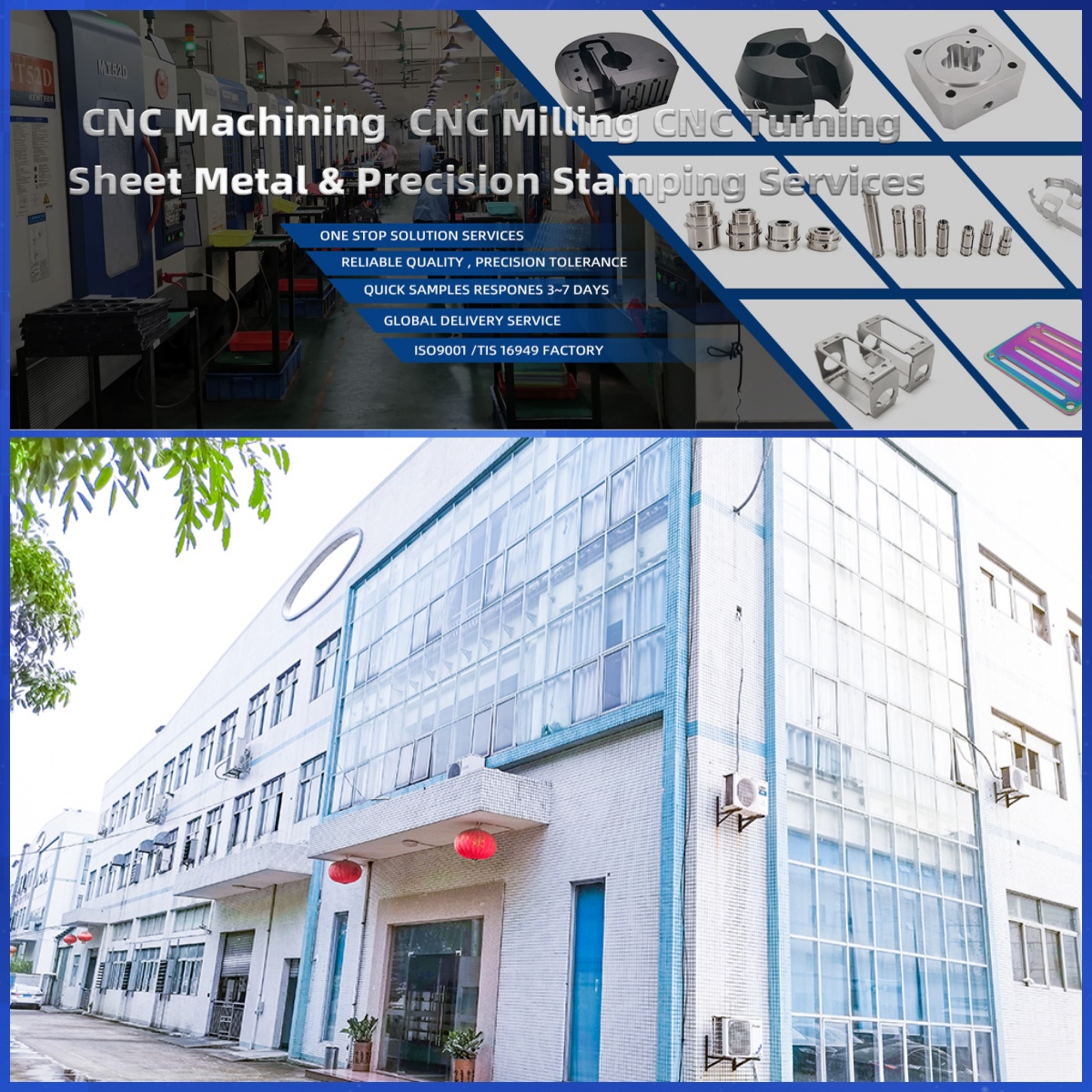
DongGuan YiTai Electronic Technologies Co.,Ltd
DongGuan YiTai Electronic Technologies Co.,Ltd is a manufacturing service provider located in Dongguan, China.
YiTai specialized in CNC turning machining and sheet metal fabrication mainly. As a member of Hung Mou Group, we focus on the overseas marketing development. And based on our parent company’s manufacturing capability and resources, YiTai also expended machining services such as die casting, injection molding, aluminum profile extrusion, 3D printing, which are committed to providing customers with one-stop purchasing services and experience.
CNC MACHINING , CNC MILLING , CNC TURNING , SHEETMETAL , FASTENER , OTHERS




How to Choose the Right Knurling Process for Precision Components: Cut Knurling vs Form Knurling – A Complete Showdown
Deep Dive into CNC Turning: From Outside Diameter to Threads – Mastering 9 Core Machining Types
Related Article