From Function to Beauty: How Anodizing Customizes Surface Properties for CNC Brass & Copper Parts

In precision manufacturing, a part's appearance is just as important as its function. A well-made component must be durable. But it should also look good. This is especially true for brass and copper parts. These metals have a natural warmth. But they change over time. They also react to the environment.
-
Functional Customization: Adding “Superpowers” for Specific Uses
-
Decorative Customization: Making Precision Parts Look Like Art
-
Partner with DongGuan YiTai Electronic Technologies for Your Custom Vision
1. Beyond “Gray Metal” – The Value of Custom Surface Finishes
Most people think of metal parts as just gray or silver. But that is not true anymore. Today, customers want more. They want parts that match a brand color. They want parts that stay clean. They want parts that do not rust.
2. Functional Customization: Adding “Superpowers” for Specific Uses
Anodizing is not just about looks. It can give a part new abilities. We call these functional customizations. Here are three main ways it helps.
Strong Corrosion Resistance
Brass and copper can rust in wet or salty places. This is a problem for outdoor parts. It is also a problem for marine equipment. With the right anodizing process, we make a protective layer on the metal. This layer stops water and salt from reaching the base metal. The part lasts longer. It works better in tough environments.

Wear Resistance and Chemical Inertness
Some parts move against other parts. They need to be hard. They also need to be safe. For mechanical components, anodizing adds a hard surface. This surface resists scratching. For cookware, the anodized layer stops the metal from reacting with food. This keeps the food safe. It also makes the pot or pan easy to clean.
Special Functional Surfaces
We can control the process to make special surfaces. One example is a superhydrophobic surface. This surface repels water. Water beads up and rolls off. This is good for parts that need to separate oil from water. We make this by adding a special etching step before anodizing. The surface gets tiny textures. These textures push water away.
3. Decorative Customization: Making Precision Parts Look Like Art
Sometimes a part needs to look good. It might sit on a desk. It might be on a car dashboard. It might be a gift. Anodizing gives you many ways to make the part beautiful.

A Wide Range of Color Choices
Anodizing lets you pick permanent colors. We can do black, blue, green, red, and many more. These colors do not fade. They do not rub off. This is very different from natural brass and copper. Those metals turn green or brown over time. That is called patina. Some people like it. But most customers want a stable color. Anodizing gives you that stable color from day one.
Keeping the Original Metal Look
One worry with surface treatments is that they hide the machining marks. But anodizing can be done in a way that keeps the fine details. The CNC tool marks stay visible. The sharp edges stay sharp. The anodized layer is thin. It adds color but does not cover up the precision work underneath. This gives the part a high-end look.
4. How Process Parameters Shape Your Custom Result
Anodizing is not one single process. Small changes in the steps give different results. We control three main things: the bath chemistry, the voltage, and the time.
Balancing Color and Performance
The table below shows how different settings change the final part.
| Parameter | Low Setting (e.g., 15V, 10 min) | High Setting (e.g., 20V, 30 min) |
|---|---|---|
| Color Depth | Light, translucent | Deep, rich |
| Layer Thickness | Thin (5–10 microns) | Thick (20–30 microns) |
| Corrosion Resistance | Good | Excellent |
| Wear Resistance | Moderate | High |
| Surface Feel | Smooth, like the base metal | Slightly matte or textured |
We pick the settings based on what the part needs. A decorative part for indoors needs good color. A part for a boat needs thick protection. The voltage pushes the reaction. Higher voltage makes a thicker layer. The time also adds thickness. But more time does not always mean better. We must balance the color and the performance.
Case Study: One Part, Two Different Results
We made the same CNC brass part for two different clients.
-
Client A needed parts for a marine environment. We used 20V for 30 minutes. We got a dark black color and a thick layer. The parts went on a boat. They stayed rust-free for two years.
-
Client B needed parts for a high-end audio device. We used 15V for 15 minutes. We got a light champagne gold color. The thin layer kept the sharp CNC edges. The parts looked premium and sounded great.
5. Expert Insight: Getting the Balance Right
“People often think thicker is always better for anodizing. But that is not true. For brass and copper, a very thick layer can hide the fine details. The color can also look dull. For decorative parts, we want a thin, clear layer. For functional parts, we want a thick, hard layer. The skill is in knowing where to stop. At YiTai, we talk to the client first. We ask how the part will be used. Then we pick the right parameters. This gives the best result every time.”
— Surface Finishing Specialist, DongGuan YiTai Electronic Technologies
6. Partner with DongGuan YiTai Electronic Technologies for Your Custom Vision
Making a custom anodized part takes skill. You need good CNC machining first. The surface must be clean. The edges must be smooth. Then you need a surface team that knows how to control the anodizing process.
At ‘DongGuan YiTai Electronic Technologies’ , we do both. We have strong CNC machining capabilities. We make brass and copper parts with high precision. We also run our own anodizing line. This means we control the whole process. We do not send parts to another shop. We keep the quality from start to finish.
If you need a part that looks good and works hard, send us your drawing. We will help you pick the right color and the right process.
7. Frequently Asked Questions (FAQ)
Q: Can all brass and copper alloys be anodized?
A: No, not all. The process works best on certain alloys. Aluminum bronze and beryllium copper give good results. Some other brass alloys do not take the anodized layer well. At YiTai, we test a sample first. We confirm the result before we run the full order.
Q: Will anodizing change the size of my part?
A: Yes, but only a little. The anodized layer adds thickness. For decorative finishes, the layer is about 5 to 10 microns. That is very thin. It does not affect the fit for most parts. For heavy-duty finishes, the layer can be 20 to 30 microns. We account for this in the machining step. We leave room for the anodized layer.
Q: Is anodized brass safe for food contact?
A: Yes, if we use the right process. We use a sealing step after anodizing. This closes the pores in the surface. The final layer is inert. It does not react with food. Many high-end cookware brands use this process. We can do this for your parts too.
Q: How long does the color last?
A: The color lasts for the life of the part. The anodized layer is part of the metal. It does not peel. It does not fade in normal indoor light. For outdoor use, we use a thicker layer. This protects the color from UV light. We have parts that have stayed bright for over five years in outdoor use.
Q: Can you do anodizing on parts with tight tolerances?
A: Yes. We plan for it. We machine the part slightly smaller. We leave 0.02mm to 0.05mm per surface for the anodized layer. After anodizing, the part grows into the final size. This works for press-fit parts and moving parts.
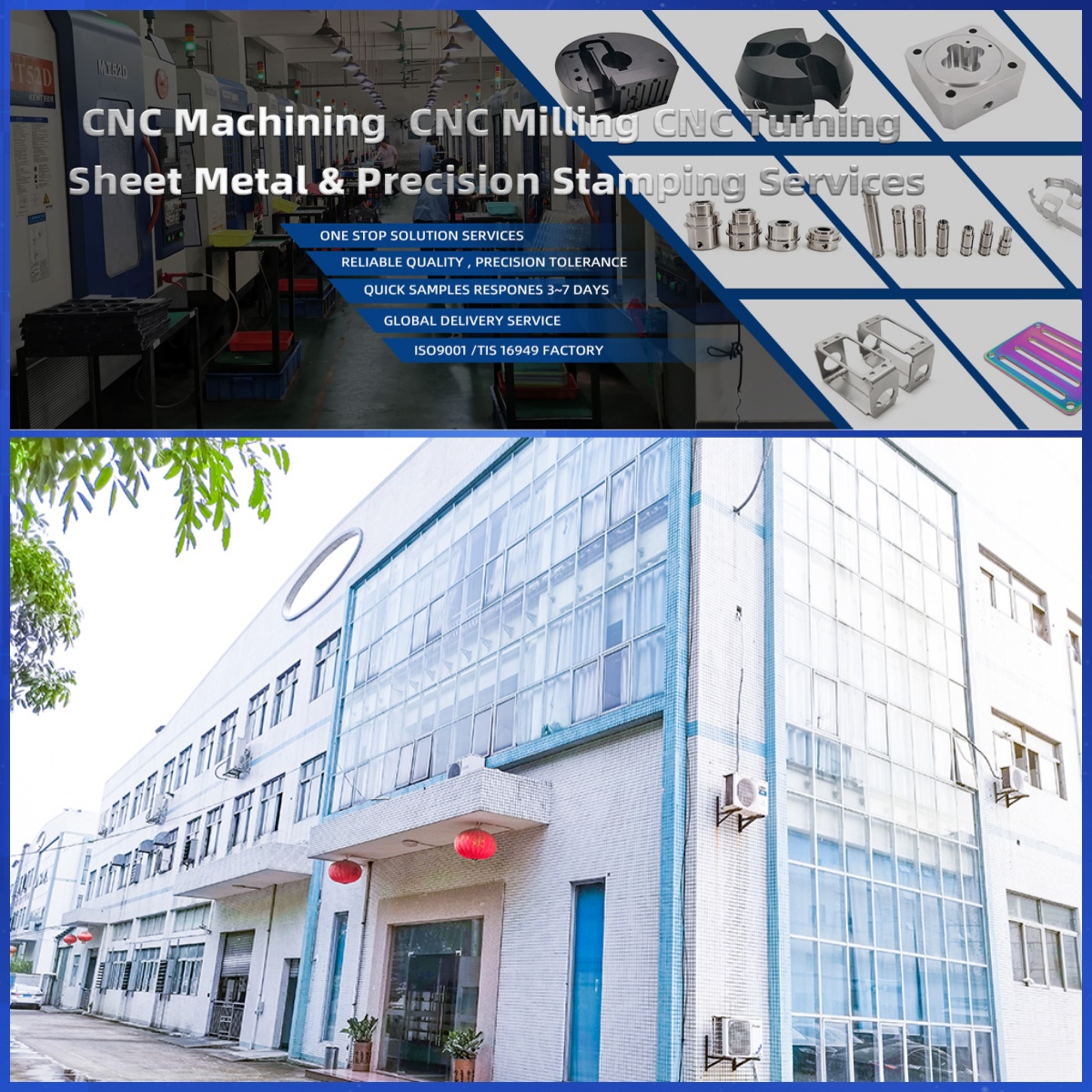
DongGuan YiTai Electronic Technologies Co.,Ltd
DongGuan YiTai Electronic Technologies Co.,Ltd is a manufacturing service provider located in Dongguan, China.
YiTai specialized in CNC turning machining and sheet metal fabrication mainly. As a member of Hung Mou Group, we focus on the overseas marketing development. And based on our parent company’s manufacturing capability and resources, YiTai also expended machining services such as die casting, injection molding, aluminum profile extrusion, 3D printing, which are committed to providing customers with one-stop purchasing services and experience.
CNC MACHINING , CNC MILLING , CNC TURNING , SHEETMETAL , FASTENER , OTHERS




The Ultimate Guide to Precision Turned Parts Manufacturers: How to Choose a Trusted CNC Machining Partner
Case Study: How Optimizing Fillets & Chamfers Cut CNC Costs by 15% for an Auto Client
Related Article