Chrome plating-2
author: YITECH
2024-12-13
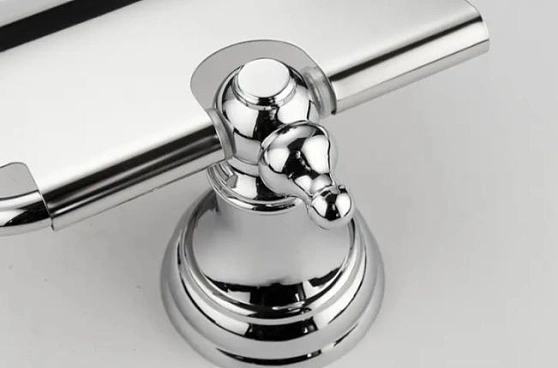
Our company offers a range of high-quality metal finishing services, including black chrome plating, to provide our customers with durable and stylish surfaces for their products.
Definition:
Chrome plating is a process of depositing a thin layer of chrome on the surface of a metal through an electrochemical reaction in an electrolytic solution, where chromium ions carrying charges are deposited on the cathode surface, forming a dense layer of chrome.
Features of Chrome Plating:
1. Corrosion resistance: Chromium is able to resist most organic acids, sulfides, and alkaline substances, making it highly corrosion-resistant.
2. High wear resistance: Chrome plating has a low coefficient of friction, especially in dry conditions, making it highly wear-resistant among all metals.
3. Good chemical stability: Chromium does not react with alkalis, sulfides, nitric acid, and most organic acids, but it can dissolve in hydrochloric acid (such as hydrochloric acid) and hot sulfuric acid.
4. High hardness: The hardness of chrome plating can be adjusted according to the composition of the plating solution and the process conditions, ranging from 400 to 1200 HV.
5. High reflectivity: The reflectivity of chrome in the visible light range is about 65%, and since chrome does not change color, it can maintain its reflectivity for a long time.
Process of Chrome Plating:
The chrome plating process usually includes the following steps:
1. Degreasing: Remove oil and impurities from the metal surface to ensure the purity of the plating process.
2. Cleaning: Thoroughly remove surface dirt and dust particles.
3. Bottom layer treatment: Treat the bottom layer of metal, such as copper plating or nickel plating, to ensure a good bond between the plating and the substrate.
4. Electroplating: Place the metal in an electroplating solution containing chromium compounds, and form a layer of chrome on the metal surface through an electrochemical reaction. The thickness of the plating can be adjusted according to demand.
5. Passivation (optional): Soak the chrome plating in a certain concentration of nitric acid to form an oxide film on the surface, thereby improving its corrosion and wear resistance.
Applications of Chrome Plating:
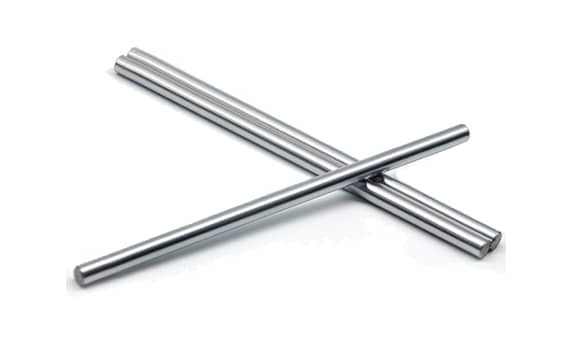
Due to its excellent performance, chrome plating is widely used in multiple fields:
1. Electronics: Chrome plating has excellent conductivity and corrosion resistance, making it suitable for manufacturing electronic components and circuit boards.
2. Automotive: Chrome plating is commonly used for manufacturing automotive parts such as valves, piston rings, and bumpers due to their high hardness and corrosion resistance. Additionally, because of its highly polished appearance, chrome plating is often used as a decorative component, such as in car dashboards and interior parts.
3. Mechanical industry: Chrome plating is used for making mechanical parts such as bearings, gears and other parts due to its excellent wear and corrosion resistance.
4. Home decor: Chrome plating is also used in home products such as faucets to increase their beauty and durability.
Advantages:
1. High hardness and wear resistance: Chrome plating has a high hardness, and its hardness can range from 400 to 1200 HV, making it highly wear-resistant. The low coefficient of friction of the chromium layer makes it highly wear-resistant in all metals, particularly under dry friction conditions.
2. Corrosion resistance: Chrome plating demonstrates excellent chemical stability in various environments, including alkalis, sulfides, nitric acid, and most organic acids. Chromium maintains its luster and hardness below 500°C, indicating high heat resistance.
3. Aesthetics: Chrome plating has a silver-white gloss that is slow to change color, enabling it to maintain its reflectivity for a long time and make plated items more aesthetically pleasing.
4. Little impact on processing: During the electroplating process, the parts are minimally affected and will not cause significant deformation, leading to accurate dimension and shape preservation.
5. Adjustability: By adjusting the composition and process conditions of the chrome plating solution, plating with different hardness and performance characteristics can be prepared to meet diverse usage requirements.
6. Wide range of applications: Chrome plating is widely used as the surface layer in protective-decorative coating systems and functional coatings, making it an essential component in electroplating industries.
Disadvantages:
1. High cost: Compared with other types of metal plating, chromium is relatively expensive, which may lead to higher costs for chrome plating.
2. High requirements for plating parts: Chrome plating requires a high level of surface finish and shape for the plating parts. For parts with complex surface shapes, chrome plating may not be suitable, leading to uneven distribution of plating.
3. Thickness limitations: The thickness of the plating layer is generally thin, typically in the range of 0.05-0.15mm, which may not be enough for certain applications.
4. Environmental pollution: Traditional chrome plating processes create pollution, such as waste water, gas, and slag that contain chromium, which may negatively affect the environment. Although low-pollution and high-efficiency chrome plating methods have been developed with advancements in technology, environmental pollution remains a concern.
5. Complexity of process: The chrome plating process is complex, and careful control (including of the component of the plating solution, temperature, current density, etc.) is required to ensure the quality of the plating layer.
6. Brittleness and peeling: The chromium layer is hard but brittle and may easily peel when subjected to alternating impact loads, and its porosity may affect its corrosion resistance.
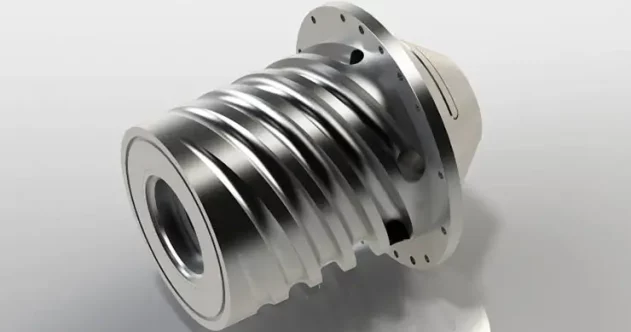
Conclusion:
Chrome plating has significant advantages in terms of hardness, wear resistance, corrosion resistance, and aesthetics, but it also has disadvantages such as high costs, high requirements for plating parts, thickness limitations, environmental pollution, process complexity, and brittleness and peeling. When selecting a suitable electroplating process, specific demands and conditions must be taken into account.
Whatever you are looking for zinc plating, chrome plating,or other plating parts and services, please feel free to contact us!
Galvanized steel plate-3
Nickel Plating-1
Related Article
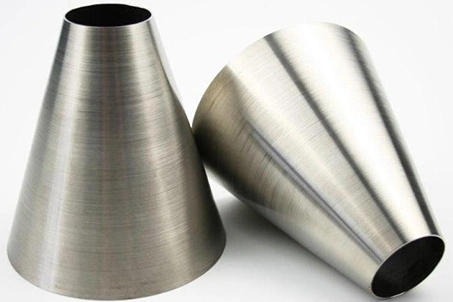
Learn how metal spinning forms rotationally symmetric parts, compare process options, and review materials, applications, cost factors, and RFQ requirements.
Metal Spinning: How the Process Works and When to Use It
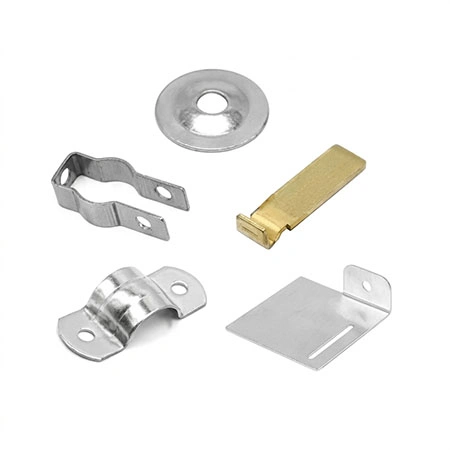
Explore precision metal fabrication processes, tolerance control, inspection, cost factors, and what to include in a custom-part RFQ.
Precision Metal Fabrication: From Drawing Review to Inspection