What is Shaft: A Fundamental Component in Machinery Introduction
2025-03-24
Discover the essential role of what is shaft in machinery and industrial applications, as our company provides high-quality, durable shafts designed for optimal performance and reliability.

What is Shaft: A Fundamental Component in Machinery
Introduction
In the world of mechanical engineering and machinery, the shaft is an essential element. It plays a crucial role in the operation of numerous devices and systems, from simple household appliances to complex industrial machinery.
Definition of a Shaft
A shaft is a rotating machine element, usually circular in cross - section, which is used to transmit torque and rotation from one part of a machine to another. It is designed to withstand various types of loads, such as bending, torsion, and axial forces.
Types of Shafts
Transmission Shafts
Transmission shafts are used to transmit power between different components in a machine. For example, in an automobile, the drive shaft is a type of transmission shaft. It transfers the rotational power from the engine to the differential, which then distributes the power to the wheels. This enables the vehicle to move forward or backward.
Machine Shafts
Machine shafts are integral parts of specific machines. In a lathe, the spindle shaft holds the workpiece or cutting tool. It rotates at high speeds, allowing for operations like cutting, drilling, and shaping of materials. The accuracy and stability of the spindle shaft are crucial for the quality of the finished product.
Applications of Shafts
In Electric Motors
In an electric motor, the shaft is connected to the rotor. When an electric current is applied, the magnetic field generated causes the rotor, and thus the shaft, to rotate. This rotational motion is then used to drive various mechanical devices, such as fans, pumps, and conveyor belts. The shaft in an electric motor needs to be made of materials with high strength and fatigue resistance to withstand continuous operation.
In Turbines
Turbines, whether they are steam turbines, gas turbines, or wind turbines, rely on shafts for power generation. In a steam turbine, high - pressure steam is directed onto the turbine blades, causing the shaft to rotate. This rotational energy is then converted into electrical energy by a generator connected to the shaft. The shafts in turbines are often large - diameter and made of special alloys to handle the high temperatures and high - speed rotations.
Conclusion
In summary, shafts are fundamental components in machinery. Their ability to transmit torque and rotation makes them indispensable in a wide range of applications. Understanding the types and applications of shafts is crucial for mechanical engineers, designers, and anyone involved in the operation and maintenance of machinery. Whether it's powering our cars, running industrial plants, or providing electricity, shafts are quietly but efficiently doing their job, enabling the smooth functioning of our modern - day world.
DGYITECH | What parts are suitable for Swiss-type lathes?
Introduction of Automatic lathe
Related Article
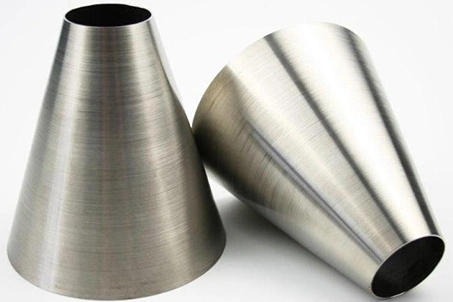
Learn how metal spinning forms rotationally symmetric parts, compare process options, and review materials, applications, cost factors, and RFQ requirements.
Metal Spinning: How the Process Works and When to Use It
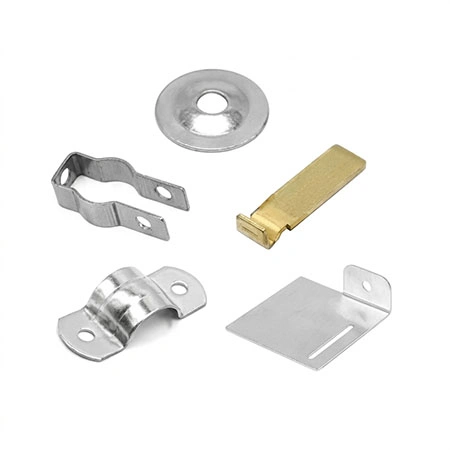
Explore precision metal fabrication processes, tolerance control, inspection, cost factors, and what to include in a custom-part RFQ.
Precision Metal Fabrication: From Drawing Review to Inspection