DGYITECH | What parts are suitable for Swiss-type lathes?
2025-05-26

What products are suitable for Swiss-type lathes to process? Swiss-type lathes are precision CNC lathes that can process slender shaft parts, valve parts, sleeve parts, lock parts, and electrical parts with a diameter of less than 32mm. They can be used in aviation, aerospace, automobiles, medical, refrigeration, optics, home appliances and other fields to complete high-precision, multi-batch, and complex processing.
Swiss lathes use dual-axis tool arrangement, which can be changed by XY movement. Its tool change time is more than 2 times faster than that of traditional lathes. In addition, the spindle can clamp the material and move to ensure the constant precision of the processing. Therefore, it is the only choice in the field of precision processing. When it is used with an automatic feeder, it can form a simple automated production line to automate feeding, sorting, and processing.
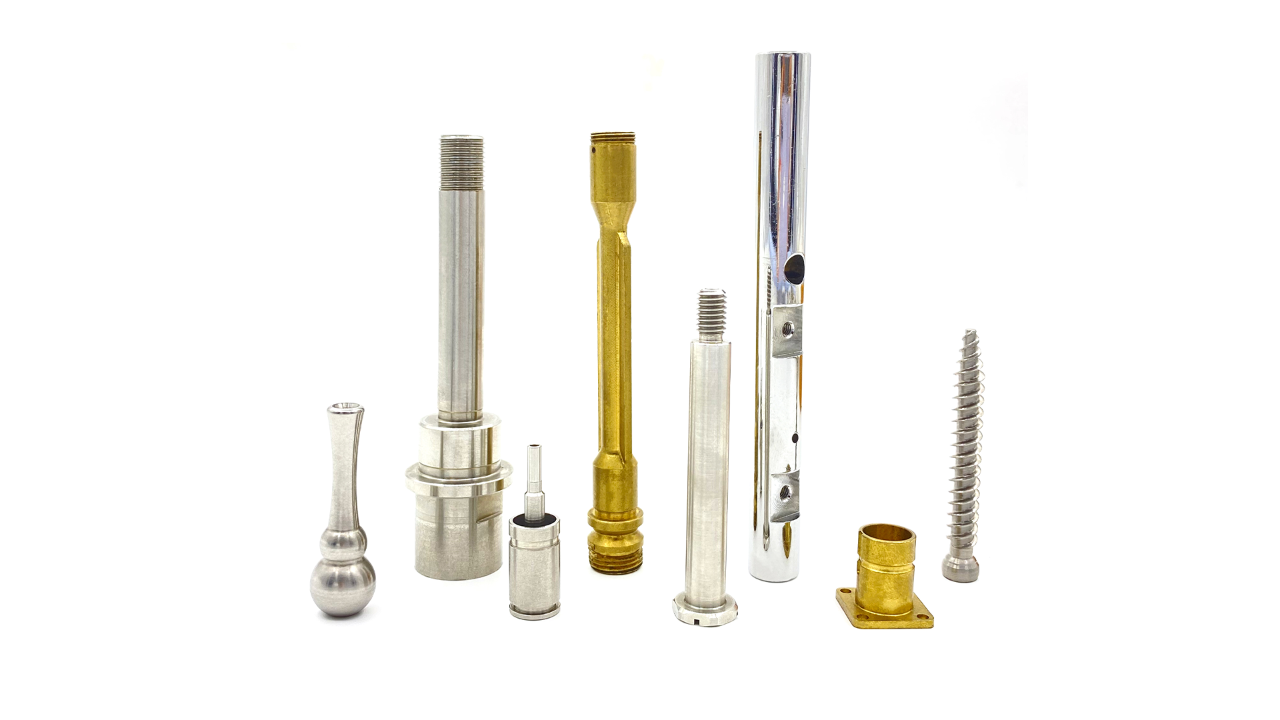
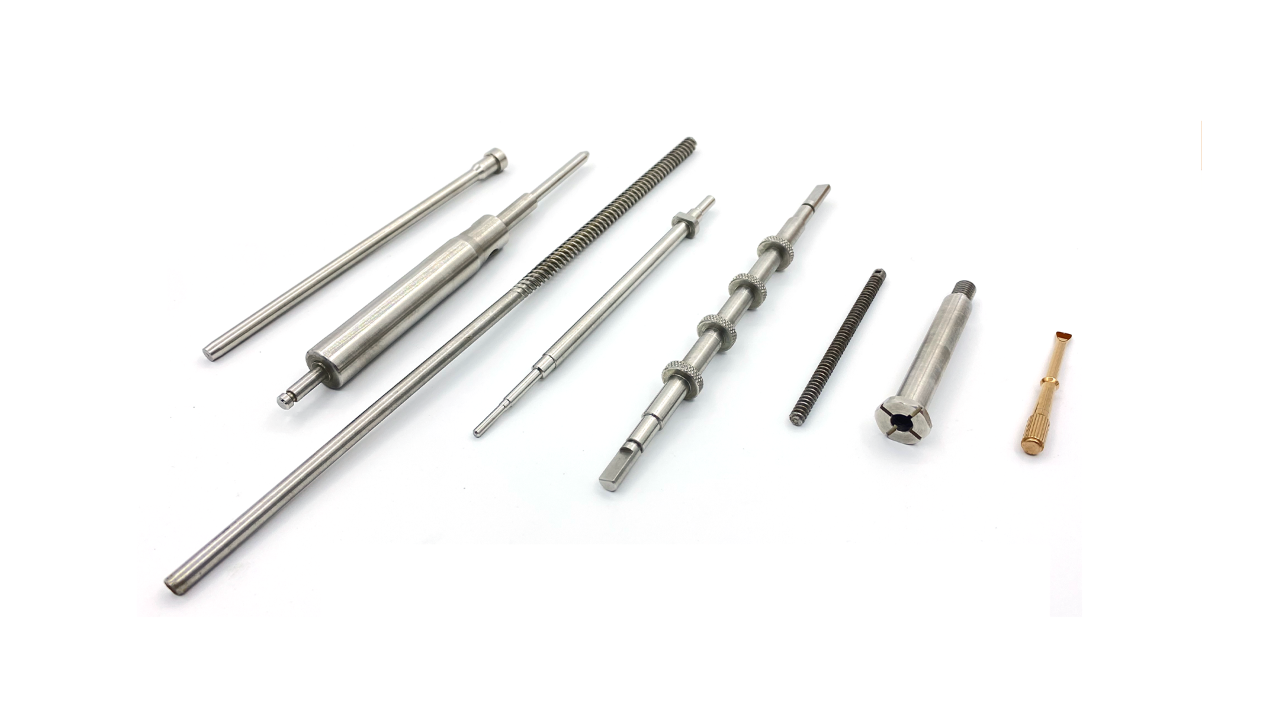
Swiss lathes have a simple structure, but the tool change is fast and the reliability is high. For precision slender parts with a stroke of less than 310mm, it can be processed and formed in one go. There is no need to feed multiple times during production, which significantly improves the processing efficiency.
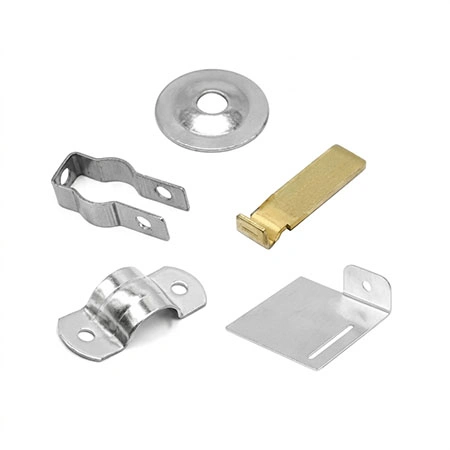
The above two pictures are also some cases processed by Swiss lathes!
Swiss lathes have good reliability and stability, are suitable for high-precision slender parts processing, and can also be completed efficiently and accurately, which well meets the precision processing requirements of parts in various fields.
DongGuan YiTai Electronic Technologies Co.,Ltd provide precision swiss-type lathes manufacturing services .
DGYITECH | Global Aluminum Hardware Report: Lightweight Revolution Fuels EV & Smart Home Markets
What is Shaft: A Fundamental Component in Machinery Introduction
Related Article
Learn how metal spinning forms rotationally symmetric parts, compare process options, and review materials, applications, cost factors, and RFQ requirements.
Metal Spinning: How the Process Works and When to Use It
Explore precision metal fabrication processes, tolerance control, inspection, cost factors, and what to include in a custom-part RFQ.
Precision Metal Fabrication: From Drawing Review to Inspection