
Application of Anodizing Technology
author: YITECH
2024-06-17
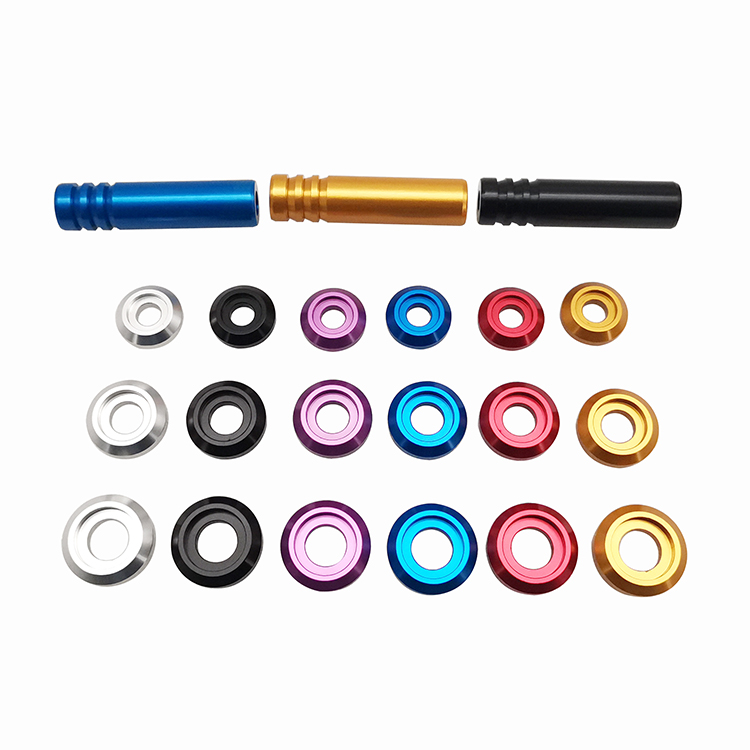
Anodizing is an electrochemical process that is used to enhance the surface properties of metals such as aluminum and titanium. This process involves immersing the metal in an electrolyte solution and applying a direct current to the metal and a cathode, creating an oxide layer on the metal surface. This technique is commonly used in aerospace manufacturing for mechanical machining due to the benefits it provides, including corrosion resistance, improved wear resistance, and enhanced aesthetic qualities.
One of the benefits of anodizing technology is its ability to offers a durable and corrosion-resistant layer for metal surfaces, providing protection against environmental factors and enhancing wear resistance. This makes it particularly beneficial for aircraft components. Additionally, the anodizing process can be tailored to achieve specific aesthetic qualities, which is crucial for the aerospace industry.
One of the benefits of anodizing technology is its ability to offers a durable and corrosion-resistant layer for metal surfaces, providing protection against environmental factors and enhancing wear resistance. This makes it particularly beneficial for aircraft components. Additionally, the anodizing process can be tailored to achieve specific aesthetic qualities, which is crucial for the aerospace industry.
Anodizing enables the formation of a consistent and thick oxide layer, even on intricate shapes and irregular surfaces. This is crucial in aerospace manufacturing, as aircraft components frequently have elaborate geometries and must adhere to strict tolerances. Additionally, anodized surfaces exhibit a low coefficient of friction, boosting the performance of parts like bearings and sliding components.
One of the critical factors to consider in the anodizing process is the selection of an electrolyte solution. An electrolyte solution is chosen based on the type of metal to be anodized and the desired surface properties. The electrolyte solution will determine the resulting oxide layer’s thickness, clarity, and color, among other characteristics.
Aerospace manufacturing requires high-quality and precise parts with a long service life. Anodizing technology provides many benefits that make it an appropriate surface treatment technique for aerospace components. The anodizing process enhances the metal’s mechanical properties while creating a uniform surface finish that improves the components' aesthetic qualities.
In conclusion, anodizing technology has proven to be an advantageous surface treatment technique in aerospace manufacturing for mechanical machining. It provides corrosion resistance, improved wear resistance, and enhanced aesthetic properties. Additionally, it enables the creation of a uniform and thick oxide layer on complex and irregular surfaces. Consequently, the aerospace industry will continue to rely on anodizing technology for the manufacturing of high-quality parts with long service lives.
One of the critical factors to consider in the anodizing process is the selection of an electrolyte solution. An electrolyte solution is chosen based on the type of metal to be anodized and the desired surface properties. The electrolyte solution will determine the resulting oxide layer’s thickness, clarity, and color, among other characteristics.
Aerospace manufacturing requires high-quality and precise parts with a long service life. Anodizing technology provides many benefits that make it an appropriate surface treatment technique for aerospace components. The anodizing process enhances the metal’s mechanical properties while creating a uniform surface finish that improves the components' aesthetic qualities.
In conclusion, anodizing technology has proven to be an advantageous surface treatment technique in aerospace manufacturing for mechanical machining. It provides corrosion resistance, improved wear resistance, and enhanced aesthetic properties. Additionally, it enables the creation of a uniform and thick oxide layer on complex and irregular surfaces. Consequently, the aerospace industry will continue to rely on anodizing technology for the manufacturing of high-quality parts with long service lives.
Nitriding for surface treatment
Application of CNC Machining Technology in Mechanical Manufacturing
Related Article

Choosing between 316 and 316L? 316L resists weld decay better, 316 holds strength at higher heat. Both food-grade, both marine-grade. Quick, no-fluff breakdown.
316 vs 316L Stainless Steel for CNC Machining
What is stamping and when do you use it? A plain guide to sheet metal stamping, dies, and progressive tools, plus the parts it makes faster than machining.
What Is Stamping in Metal Manufacturing?

