The Complete Guide to Aluminum Milling and CNC Machining

1. Introduction
Aluminum is one of the most popular materials for machining, and milling in particular. Its alloys are light, resistant to corrosion, and durable. They also have very good heat conductivity and can be easily machined. Many parts can be improved with further processes like anodizing .
These features make aluminum alloys a perfect base to produce many types of parts for many industries. You can find them in home decor, automotive parts, and even the airplane and space industries .
On the other hand, aluminum milling is one of the most common ways to produce aluminum parts. This guide will explain everything you need to know about milling aluminum in 2026.
Expert Insight: Andrei Petrilin, senior technical manager at Iscar, says: "Aluminum is considered a material with good machinability. There is a strong belief that machining aluminum does not cause any particular problems. Indeed, aluminum is one of the most machinable engineering materials" .
2. Why Aluminum Is Easy to Machine
Aluminum is a name used to describe the whole family of aluminum alloys. Pure aluminum can be refined to 99.9% purity. The wide variety of aluminum alloys gives you many choices to select the right one for your project .
The most common additives for aluminum alloys are:

-
Silicon (Si)
-
Magnesium (Mg)
-
Zinc (Zn)
-
Copper (Cu)
-
Manganese (Mn)
These elements give the alloy new features and change how it works. They also affect how easy it is to machine.
This wide variety of aluminum types makes this metal almost perfect for many kinds of machining. Some additives make aluminum safe for food contact. Others help you mill complex parts. Some help produce light but strong parts for airplanes .
Plus, aluminum itself is very machinable. It is easy to work with the right tools, and you can improve its surface with anodizing .
3. Types of Aluminum Alloys and Their Machinability
There are many ways to sort aluminum alloys. For this guide, we use the International Alloy Designation System. This is the most common system worldwide.

This system uses 8 series to divide alloys by their additives. This matters for you when you choose a CNC machining company .
Here are the main types:
Series 1xxx – Pure Aluminum
This is basically pure aluminum. It is soft and flexible. It has excellent heat and electricity conductivity. People use it in radiators and old electrical systems. It is rarely used in milling because it is too soft .
Series 2xxx – Aluminum and Copper
This alloy is harder but has worse corrosion resistance. A common type is PA7 (2024) . People often use it for airplane interior parts .
Series 3xxx – Aluminum and Manganese
These alloys are relatively soft. People often use them for plastic machining. They keep their features even at high temperatures. This type is weldable and safe around food .
Series 4xxx – Aluminum and Silicon
This alloy has good corrosion resistance. Some versions like AK7 and AK9 can be used around food .
Series 5xxx – Aluminum and Magnesium
This type has even better corrosion resistance. It is easy to machine. Because it is weldable, the marine industry uses it often. It is also perfect for making aluminum sheets .
Series 6xxx – Aluminum, Magnesium, and Silicon
This material is strong and has great mechanical strength. It has great corrosion resistance too. This type is very machinable and often used in CNC milling. One of the most common types is PA45 (6061) . People use it to make bike frames .
Series 7xxx – Aluminum, Zinc, and Magnesium
This type has very good mechanical strength. It is easy to machine in mills and lathes. These alloys are the go-to material for important car parts. They are used in many industries. One of the most popular types is the 7075 alloy .
Series 8xxx – Other Alloys
This includes all other alloy types that do not fit in the other series .
4. Aluminum Alloy Comparison Table
Here is a simple table to help you compare the most common aluminum alloys for CNC milling :
| Alloy | Machinability | Corrosion Resistance | Strength | Common Uses |
|---|---|---|---|---|
| 6061 | Excellent | Good to excellent | Medium | Bike frames, structural parts, general machining |
| 7075 | Very good | Fair | Very high | Aerospace, critical car parts |
| 2024 | Good | Poor to fair | High | Airplane interiors, structural parts |
| 5052 | Good | Excellent | Low to medium | Marine parts, sheets |
| 5083 | Fair to good | Excellent | Medium | Marine grade, chemical environments |
| MIC 6 | Excellent | Good | Low to medium | Jigs, fixtures, machine tables |
Machinability Index Note: Cast aluminum alloys like AL4 can have machinability indices around 4.41, while structural steels are around 1.0. This means aluminum is much easier to machine than steel .
5. Key Parameters for CNC Milling Aluminum
When you mill aluminum, you need to set the right parameters. These include :
-
Spindle speed (RPM) – Aluminum needs higher speeds than steel.
-
Feed rate – How fast the tool moves through the material.
-
Depth of cut – How much material you remove in one pass.
-
Helix angle – The angle of the cutting tool flutes. A 45° helix angle with 1500 rpm gives the best surface finish .
Other things that affect milling:
-
Chemical composition of the alloy
-
Temperature of the milling process
-
Chip shape – Perfect chips are about 0.2 mm thick. They should be more than 0.1 mm to avoid blocking the spindle .
-
Hardness of the alloy
Research shows that cutting tool characteristics can improve surface finish by up to 25% . The right setup can also extend tool life and reduce edge buildup by up to 30% .
3-Axis vs 4-Axis vs 5-Axis Milling
Here is how the different machine types compare :
| Aspect | 3-Axis Milling | 4-Axis Milling | 5-Axis Milling |
|---|---|---|---|
| Movement | X, Y, Z | X, Y, Z + rotation | X, Y, Z + dual rotation |
| Part complexity | Simple to moderate | Moderate | High to very complex |
| Setups | Multiple | Fewer setups | Single setup |
| Accuracy | Good | Very good | Excellent |
| Cost | Low | Medium | High |
6. Expert Tips for Better Aluminum Milling
Tool Selection Matters
Andrew Darley, Senior Technical Support with 24 years of engineering experience, shares this advice: "When machining an extensive metal like aluminum, there are many factors to consider" .
Here are his top tips:
Use the right number of flutes. A cutter with too many flutes will cause chip removal problems. Switch to a maximum of three flutes when machining aluminum. More space between cutting edges lets larger chips escape .
Consider DLC coatings. Regular coatings like TiN can make aluminum stick to the tool. Diamond-like carbon (DLC) coatings are self-lubricating. They stop aluminum from sticking and increase tool life .
Look for these tool features:
-
Deeper flute pockets
-
Lapped and polished flutes
-
Sharp cutting edge
-
Special helix angles
Cooling Is Critical
You should use coolant when machining aluminum. It helps remove heat and reduces friction. This makes your tools last longer and improves part quality .
CNC machines need coolant for aluminum work. The right coolant protects both the tools and the parts from too much heat. Check the coolant mix often to prevent machine damage .
Chip Evacuation
Aluminum makes long, curly chips. Some people call this "bird nesting" because it looks like a bird"s nest . These chips can wrap around the tool and hurt the surface finish.
Use a high helix tool with deep flute pockets. This helps remove chips better .
Speeds and Feeds
When milling aluminum, you need higher spindle speeds. If your feed rate is too slow, the tool will rub instead of cut. This reduces tool life and gives a poor finish. If the feed rate is too fast, you get chatter and vibration .
For drilling aluminum, a good speed is 200 to 300 rpm. Going faster creates too much heat .
7. Further Processing After Milling
Machining aluminum is often the last step in making a part. But you can add more processes to improve the parts. These can increase hardness or corrosion resistance .
Common post-processing steps include:
Anodizing
This creates a coat of aluminum oxide on the surface. It protects the part and can make it look better. Hard anodizing can be 25µm thick and improve wear resistance by 5 times .
Hardening
This improves the rigidity of the part. You heat the part and cool it quickly to change its properties.
Polishing
Milled aluminum can have tool marks. Sanding and polishing remove these marks for a smoother look.
Laser Marking and Engraving
You can add marks or designs to the surface with lasers.
8. Frequently Asked Questions
Q: What is the best aluminum alloy for CNC milling?
A: 6061 aluminum is the most popular choice for CNC milling. It offers an excellent balance of strength, machinability, and corrosion resistance. For higher strength needs, 7075 is a good choice, but it costs more.
Q: Is aluminum hard to machine?
A: No, aluminum is one of the easiest metals to machine. It is much easier than steel or titanium. Tool wear when machining aluminum is 30-40% lower than when machining steel.
Q: Do you need coolant for aluminum milling?
A: Yes, it is recommended. Coolant helps remove heat, reduces friction, and improves chip evacuation. It makes tools last longer and gives better part quality.
Q: What is the difference between 6061 and 7075 aluminum?
A: 6061 has good strength and excellent corrosion resistance. It is great for general use. 7075 is much stronger (similar to some steels) but has lower corrosion resistance. 7075 costs more and is used in aerospace and high-stress parts.
Q: Can you mill pure aluminum?
A: You can, but it is not ideal. Pure aluminum (1000 series) is very soft and flexible. It makes long, stringy chips that are hard to remove. It is better to use alloys like 6061 for milling.
Q: How do you stop built-up edge on aluminum?
A: Use sharp tools with polished flutes. Apply good coolant flow. Consider tools with DLC coating. Use the right cutting speed and feed rate. A 3-flute tool often works better than a 4-flute tool for aluminum.
Q: What causes poor surface finish when milling aluminum?
A: Common causes are: wrong speeds and feeds, built-up edge on the tool, poor chip evacuation, not enough coolant, or using a tool with too many flutes.
Q: Is 7075 aluminum hard to machine?
A: No, 7075 has very good machinability. It machines well despite being very strong. It is one of the go-to materials for CNC machining of critical parts.
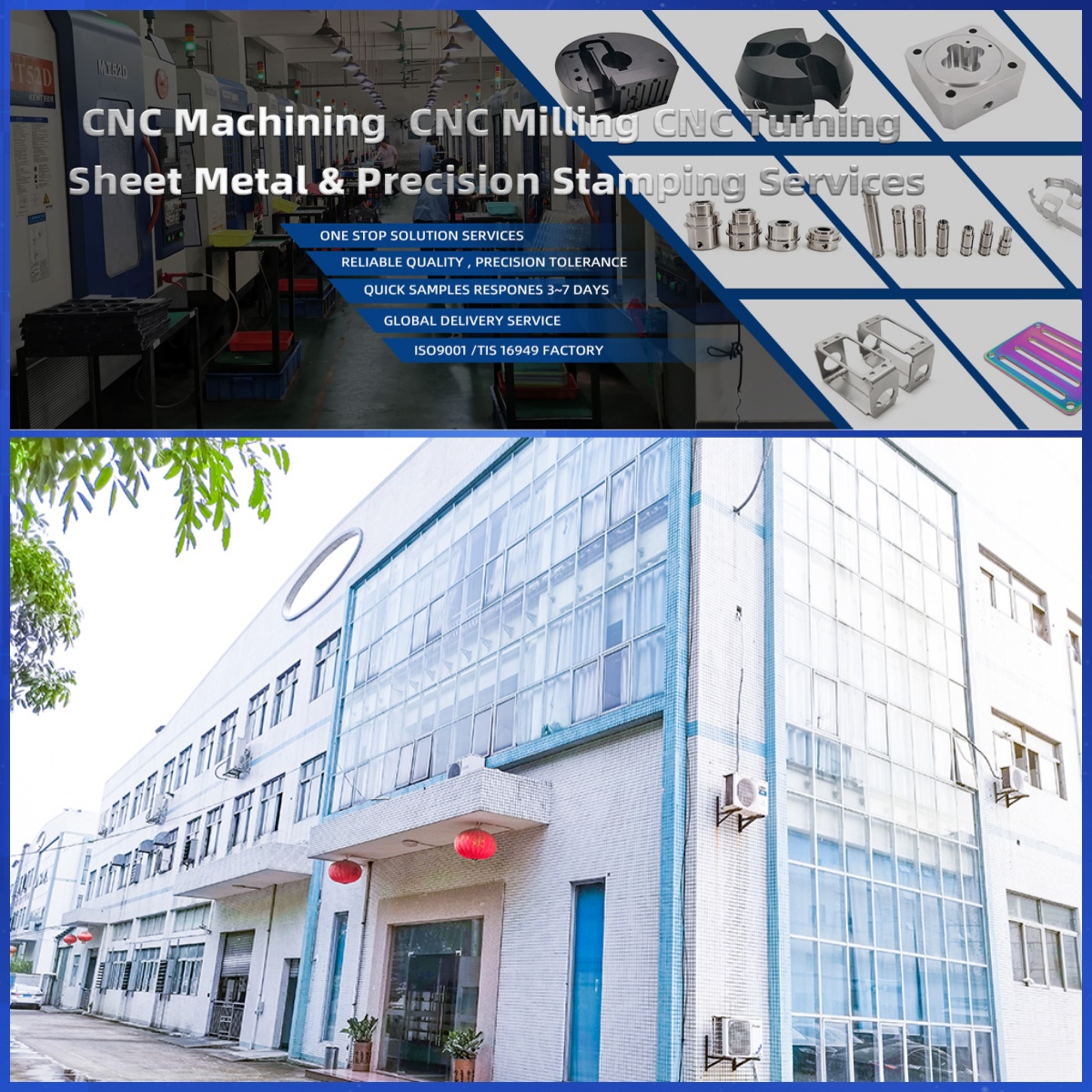
DongGuan YiTai Electronic Technologies Co.,Ltd
DongGuan YiTai Electronic Technologies Co.,Ltd is a manufacturing service provider located in Dongguan, China.
YiTai specialized in CNC turning machining and sheet metal fabrication mainly. As a member of Hung Mou Group, we focus on the overseas marketing development. And based on our parent company’s manufacturing capability and resources, YiTai also expended machining services such as die casting, injection molding, aluminum profile extrusion, 3D printing, which are committed to providing customers with one-stop purchasing services and experience.
CNC MACHINING , CNC MILLING , CNC TURNING , SHEETMETAL , FASTENER , OTHERS




Material Selection Guide for Custom Hardware CNC Machining: In-Depth Analysis of 6 Cost-Effective Metals – Properties, Applications & Practical Insights
Strict Quality Inspection for Precision Hardware and Mechanical Parts
Related Article