The Complete Guide to Surface Finishing for Custom Aluminum Knobs

1. Introduction: Surface Finishing – The Final Step
A custom aluminum knob starts with a precise CNC machined shape. However, its true character is defined in the final step: surface finishing. This last stage of knob manufacturing gives the product its distinct look, feel, and durability. The finish not only protects the metal but also adds color, texture, and function. Selecting the right finishing process is critical, as it transforms a simple part into a premium product component.
2. Basic Pre-Treatment: The Foundation for a Perfect Finish
2.1 Mechanical Treatment: Sandblasting, Brushing, Polishing
Before any color is added, the surface must be prepared. Below is an introduction to various surface finishing processes.

-
Sandblasting: Small abrasive particles are blasted onto the surface. This creates a uniform, matte texture. The grit size determines the feel. A fine grit is smooth. A coarse grit is more rough.
-
Brushing: A brushing wheel creates linear lines on the surface. Straight grain looks modern. Random grain looks softer. Brushing gives a distinctive metallic look.
-
Polishing: The surface is buffed to a shine. Mirror polishing creates a reflective, chrome-like finish. Satin polishing gives a soft, low-glare shine.
2.2 Chemical Treatment: Cleaning and Preparation
Chemical processes clean and activate the surface.
-
Degreasing: This removes all oils and dirt from machining.
-
Etching and Deoxidizing: A mild acid bath removes surface oxides. It creates a clean, active surface.
-
This preparation is essential. It ensures the next finishing steps work correctly and last a long time.
3. Core Coloring and Protection Processes
3.1 Anodizing (The Standard): Principle, Thickness, and Durability
Anodizing is the most common process for aluminum. It grows a hard, porous oxide layer on the surface. This layer is part of the metal. It is very durable. The thickness is controlled (usually 5-25µm). Thicker layers are more protective. The pores in this layer can absorb dye.
-
Color Anodizing: Dye is added to the porous layer before sealing. This allows for many colors. Matching Pantone (PANTONE) colors is possible. But it needs expert control of the anodizing bath and dye time. Sarah Chen, a materials engineer, says: "For precise color matching, provide a physical sample. Digital color values can look different on anodized aluminum."
-
Hard Anodizing: This is a special type. It creates a much thicker and harder oxide layer (up to 50µm or more). Hard anodizing greatly increases surface hardness and wear resistance. It is perfect for knobs that will get heavy use.
3.2 Other High-End Options
-
Micro-arc Oxidation (MAO): This is an electrochemical process. It creates a ceramic-like oxide coating. The finish is very hard. It has high corrosion and wear resistance. The look is often a matte gray or dark grey with a ceramic texture.
-
Electrophoretic Coating (E-Coating): The part is dipped in a paint bath. An electric current attracts the paint particles. This creates an extremely uniform and smooth coating. A deep, even black is a common result. It offers good protection.
| Process | Key Characteristics | Best For | Color/Look Options |
|---|---|---|---|
| Color Anodizing | Good durability, integral color, many colors | Most applications, indoor use | Wide range, custom Pantone possible |
| Hard Anodizing | Extreme hardness, wear resistance | Tools, industrial equipment, heavy-use knobs | Usually dark grey, black, bronze |
| Micro-arc Oxidation | Ceramic-like hardness, high corrosion resistance | High-performance, aerospace-inspired gear | Matte grey/black spectrum |
| E-Coating | Uniform, smooth paint film, excellent coverage | Decorative knobs needing deep, even colors | Primarily blacks, can be other colors |
4. Secondary Texturing and Functional Enhancement
4.1 Laser Engraving: Permanent Marks
After anodizing, you can add precise markings. Laser engraving removes the surface finish to expose the bare aluminum. It creates permanent, high-contrast labels, logos, scales, or patterns. It is very precise.
4.2 Inlays and Fills: Adding Contrast
-
Rubber Inlays: A groove is machined into the knob. A soft rubber inlay is pressed in. This improves grip and adds a two-tone look.
-
Paint Fills: Engraved markings can be filled with colored paint. This makes scales or numbers very easy to read.
4.3 Tactile Coatings: Unique Feel
A special coating can be sprayed on. Teflon (PTFE) coatings give a smooth, slick feel. Rubberized coatings provide a soft, grippy, and non-slip surface. This improves the user experience.
5. Selection Guide: Matching a Finish to Your Application
5.1 Laboratory/Test Equipment

Priority: Durability, chemical resistance, clear markings.
-
Recommended: Hard anodizing. It resists scratches from frequent use. Add laser-engraved labels filled with paint for clarity.
5.2 Consumer Audio/Desktop Gear
Priority: Aesthetic appeal, fine texture, brand identity.
-
Recommended: Brushed or sandblasted finish with color anodizing. This gives a premium, tactile feel. Use precise Pantone color matching for brand colors. Add a subtle laser-etched logo.
5.3 Outdoor or Industrial Equipment
Priority: Maximum protection from corrosion, wear, and impact.
-
Recommended: Hard anodizing or micro-arc oxidation. These provide the toughest shield against harsh environments. A matte texture hides scratches well.
6. Industry Expert FAQ
Q1: What is the most cost-effective finish for aluminum knobs?
Clear or basic color anodizing on a sandblasted surface is usually the most cost-effective. It provides good protection and a clean look without extra steps.
Q2: Can I get a true, bright red or yellow with anodizing?
This is difficult. The anodized layer is naturally translucent. Achieving bright, opaque organic colors like red or yellow is hard. Darker colors and metallics (black, bronze, dark blue, gold) are more reliable. For bright colors, consider painting instead.
Q3: How durable is laser engraving on an anodized knob?
It is very durable. The laser removes the anodized layer, exposing bare aluminum. The mark is permanent and will not wear off from touching. However, the exposed aluminum can oxidize to a dull grey over a very long time, which actually increases contrast.
Q4: What finish provides the best grip?
For the best grip, a rubberized coating is the top choice. After that, a coarse sandblasted texture or knurling (a patterned texture machined into the metal) provides good grip with no added coating.
Q5: What is the lead time difference between simple and complex finishes?
Simple anodizing (one color, no secondary steps) adds a few days. Complex workflows (like hard coat + laser engraving + paint fill) can add one to two weeks. Always discuss the full process with your manufacturer for timing.
Q6: How do I maintain an anodized aluminum knob?
Use a soft, damp cloth to wipe it clean. Avoid harsh abrasive cleaners or strong acids/bases. Anodizing is very low-maintenance.
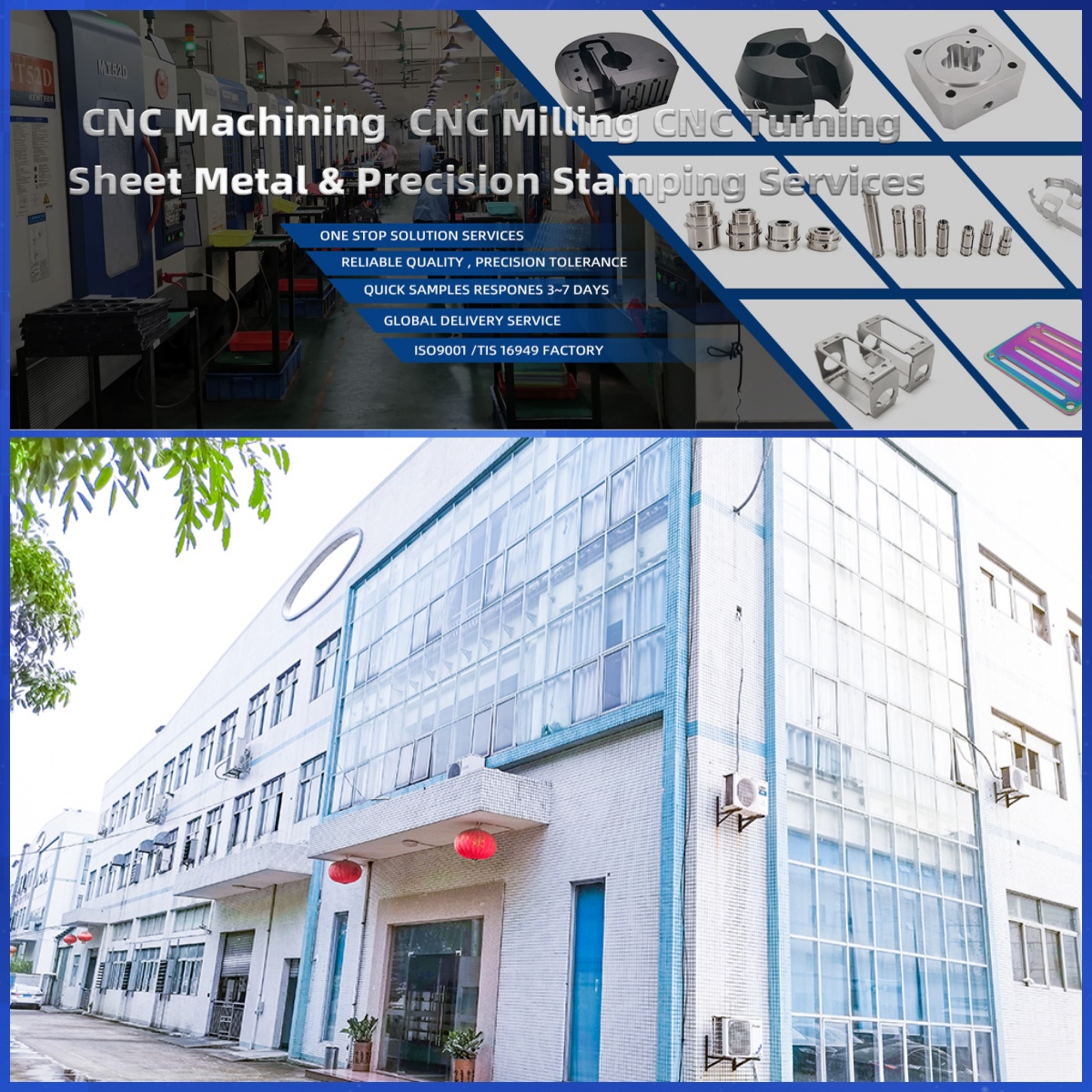
DongGuan YiTai Electronic Technologies Co.,Ltd
DongGuan YiTai Electronic Technologies Co.,Ltd is a manufacturing service provider located in Dongguan, China.
YiTai specialized in CNC turning machining and sheet metal fabrication mainly. As a member of Hung Mou Group, we focus on the overseas marketing development. And based on our parent company’s manufacturing capability and resources, YiTai also expended machining services such as die casting, injection molding, aluminum profile extrusion, 3D printing, which are committed to providing customers with one-stop purchasing services and experience.
CNC MACHINING , CNC MILLING , CNC TURNING , SHEETMETAL , FASTENER , OTHERS




The Future of Manufacturing: AI and Automation Trends in Multi-Axis CNC Machining
Inject Color into Your Product: Guide to Custom Anodized Aluminum Washers
Related Article