Classification of aluminium alloys

The classification of aluminium alloys is based on their composition and properties, allowing for a better understanding of their performance characteristics in various applications. Our company offers a comprehensive range of aluminium alloy parts with varying properties, including tensile strength, corrosion resistance, and weldability, allowing for easy classification and selection according to specific industry requirements.
Aluminum alloys can be classified according to their composition, production process, and whether they can be enhanced by heat treatment:
1. Classification by composition and production process:
-
Cast aluminum alloy: Aluminum alloy suitable for casting process, often used to manufacture complex shape parts.
-
Deformed aluminum alloy: It is suitable for aluminum alloy formed by mechanical processing (such as calendering, extrusion).
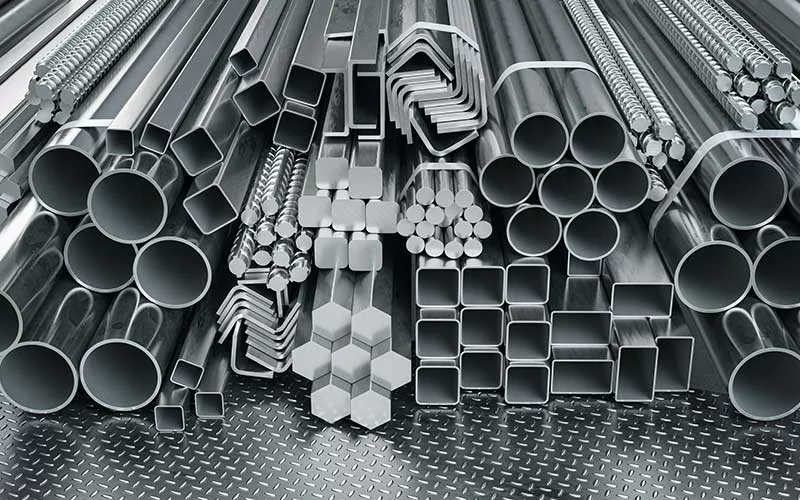
2. According to whether the performance can be enhanced by heat treatment:
- Heat-treatable aluminum alloys: These alloys can be enhanced by treatment, quenching and aging. Common series include 2xxx(aluminum - copper alloy), 6xxx(aluminum - magnesium - silicon alloy), 7xxx(aluminum - zinc alloy) and so on. These alloys are commonly used in applications that require high strength, such as aerospace and transportation.
- Non-heat treating aluminum alloys: The strength of these alloys is mainly enhanced by working hardening or by adding alloying elements such as manganese and magnesium. Including 1xxx(pure aluminum), 3xxx(aluminum-manganese alloy), 5xxx(aluminum-magnesium alloy) series. These materials are commonly used in packaging, construction and Marine applications.
3. Classification according to the main elements contained in the alloy:
- Industrial pure aluminum: such as the 1xxx series, mainly containing aluminum, sometimes adding a small amount of copper or other elements.
- 2xxx series: With copper as the main alloying element, such as 2011 alloy, with excellent cutting performance.
- 3xxx series: With manganese as the main alloying element, such as 3003 alloy, with good corrosion resistance and weldability.
- 4xxx series: With silicon as the main alloying element, such as 404 alloy, usually cannot be strengthened by heat treatment, mainly used for welding and high temperature applications.
- 5xxx series: With magnesium as the main alloying element, such as 5052 alloy, with light weight and high strength characteristics, suitable for the transportation field.
- 6xxx series: With magnesium and silicon as the main alloying elements, such as 6061 alloy, widely used in aerospace and transportation fields.
- 7xxx series: Zinc, magnesium, copper and other elements as the main components, such as 7000 alloy, with high strength and superhard characteristics, mainly used in the aviation field.
- 8xxx series: Contains other alloy systems other than series 1 to 7, such as 8000 alloy, often used in special industrial applications.
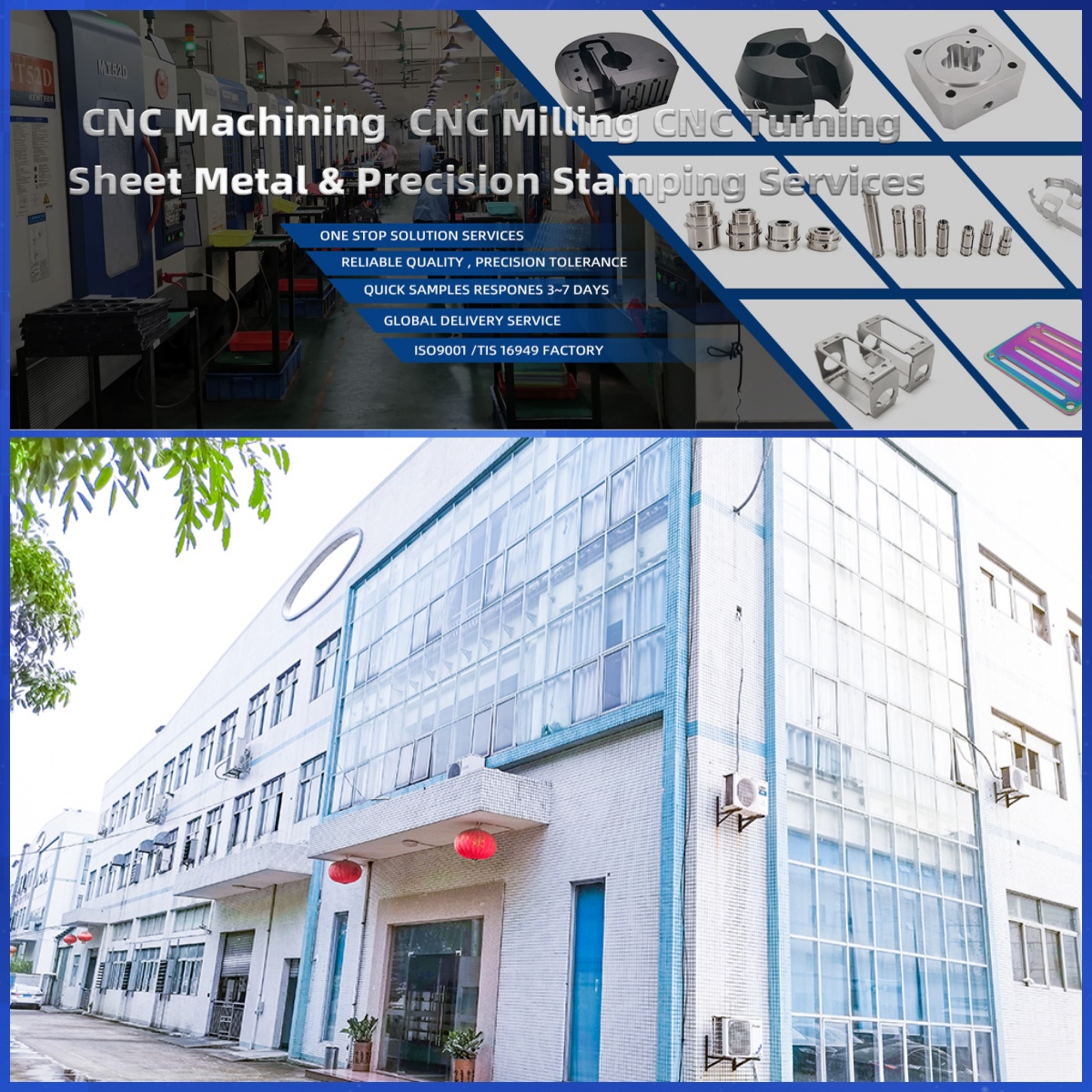
DongGuan YiTai Electronic Technologies Co.,Ltd
DongGuan YiTai Electronic Technologies Co.,Ltd is a manufacturing service provider located in Dongguan, China.
YiTai specialized in CNC turning machining and sheet metal fabrication mainly. As a member of Hung Mou Group, we focus on the overseas marketing development. And based on our parent company’s manufacturing capability and resources, YiTai also expended machining services such as die casting, injection molding, aluminum profile extrusion, 3D printing, which are committed to providing customers with one-stop purchasing services and experience.
CNC MACHINING , CNC MILLING , CNC TURNING , SHEETMETAL , FASTENER , OTHERS




The difference between 7075 and 6061 aluminum alloy
Post-welding Heat Treatment Tips (FAQ)
Related Article