Application of aluminum alloy in motorcycle components
- Frame
- Wheel Hubs
- Engine Covers
- Suspension System
- Brake Calipers
- Handlebars and Footpegs
- Radiators and Oil Coolers
- Frequently Asked Questions (FAQ) About Aluminum Alloy in Motorcycle Components
1. Frame
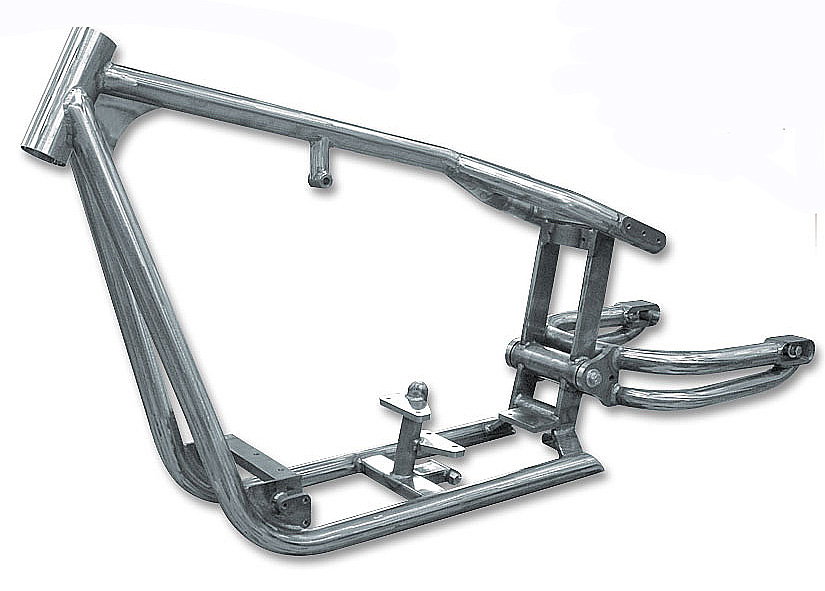
The motorcycle frame is the core structure of the body, supporting and connecting various critical components. Traditional frames were mostly made of steel, but with the increasing demand for lightweighting, aluminum alloy has gradually become the preferred material.
Advantages:
-
Lightweight: The density of aluminum alloy is only about one-third that of steel. Using aluminum alloy for frames significantly reduces the overall weight of the motorcycle, improving acceleration, reducing braking load, enhancing fuel efficiency, and increasing vehicle agility.
-
High Strength: Despite being lightweight, modern aluminum alloys, after alloying treatments, still exhibit high strength and can withstand various impacts and loads during motorcycle operation.
-
Corrosion Resistance: Aluminum alloy is more corrosion-resistant than steel, especially in humid or saline environments, ensuring greater durability and longevity of the frame.
Applications:
-
Many high-performance motorcycles and racing models use welded aluminum alloy frames, commonly designed as Twin Spar Frames or Cast Aluminum Frames.
2. Wheel Hubs
Motorcycle wheel hubs require both high strength and lightweight properties, making aluminum alloy hubs a mainstream choice.
Advantages:
-
Weight Reduction: As rotating components, lighter wheel hubs help reduce rotational inertia, improving acceleration and fuel economy.
-
Strength and Toughness: Aluminum alloy hubs can withstand impacts during high-speed riding while maintaining structural integrity and resisting deformation.
-
Aesthetics and Malleability: Aluminum alloy is easy to process, allowing for complex and aesthetically pleasing designs that enhance the vehicle's visual appeal.
Applications:
-
Most modern motorcycles, especially high-performance and mid-to-high-end models, are equipped with aluminum alloy hubs, typically manufactured using die-casting or forging processes.
3. Engine Covers
The engine is the core component of a motorcycle, and its covers serve dual purposes of protection and heat dissipation. Aluminum alloy is widely used for engine covers due to its excellent thermal conductivity.
Advantages:
-
Thermal Conductivity: Aluminum alloy has a much higher thermal conductivity than steel, allowing heat generated during engine operation to dissipate quickly, maintaining stable operating temperatures and improving engine efficiency and lifespan.
-
Lightweight: Aluminum alloy engine covers are lighter than traditional steel covers, reducing overall vehicle weight and lowering the center of gravity, thereby enhancing handling.
-
Corrosion Resistance: Engine covers are directly exposed to the air, and aluminum alloy's anti-corrosion properties ensure longer service life, particularly in harsh environments.
Applications:
-
Most modern motorcycle engines, especially those in high-performance models, use aluminum alloy covers to improve heat dissipation.
4. Suspension System
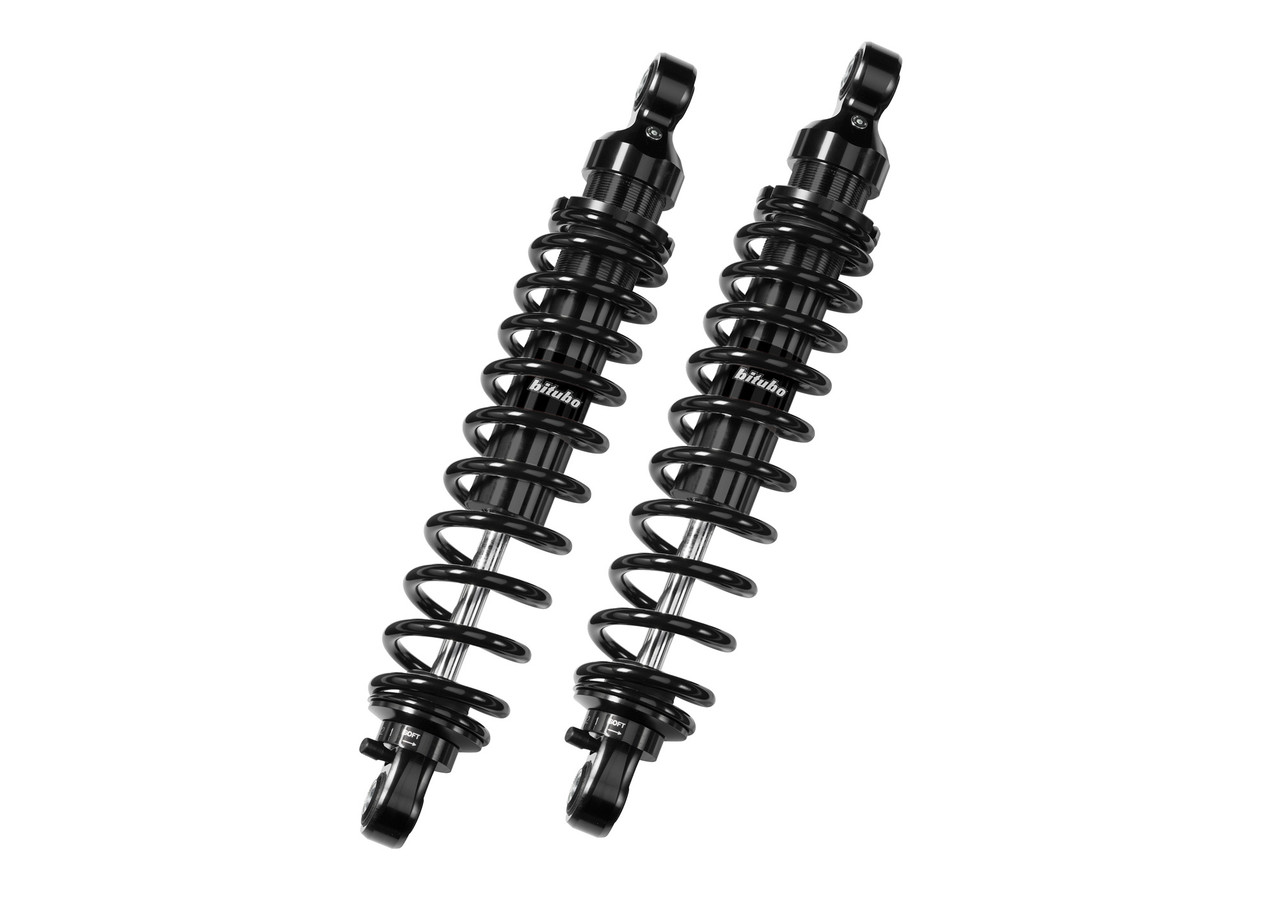
Suspension system design requires a balance between strength and weight. The use of aluminum alloy in front forks and rear suspension arms ensures lightweight and stable handling.
Advantages:
-
Reduced Unsprung Mass: The weight of key components in the suspension system, such as front forks, rear suspension arms, and swingarms, directly affects handling. Aluminum alloy reduces the weight of these parts, enhancing agility and control during cornering.
-
High Strength and Rigidity: Aluminum alloy components maintain sufficient strength and rigidity while being lightweight, capable of withstanding impacts and vibrations during riding.
-
Durability: The corrosion resistance of aluminum alloy extends the service life of suspension components and reduces maintenance costs.
Applications:
-
Aluminum alloy is widely used in motorcycle front forks, swingarms, and rear suspension arms, particularly in racing and high-performance models.
5. Brake Calipers
The braking system is critical to motorcycle safety. The use of aluminum alloy in brake calipers improves braking performance and reduces unsprung weight.
Advantages:
-
High-Precision Machining: Aluminum alloy can be easily shaped through CNC machining, allowing for highly precise brake caliper designs that improve braking response and stability.
-
Significant Weight Reduction: Lightweight aluminum alloy brake calipers reduce unsprung mass, enhancing handling and comfort.
-
Effective Heat Dissipation: The braking process generates substantial heat, and aluminum alloy's good thermal conductivity helps dissipate heat quickly, preventing brake fade.
Applications:
-
High-end motorcycles, especially racing models and high-performance street bikes requiring precise control, are often equipped with aluminum alloy brake calipers.
6. Handlebars and Footpegs
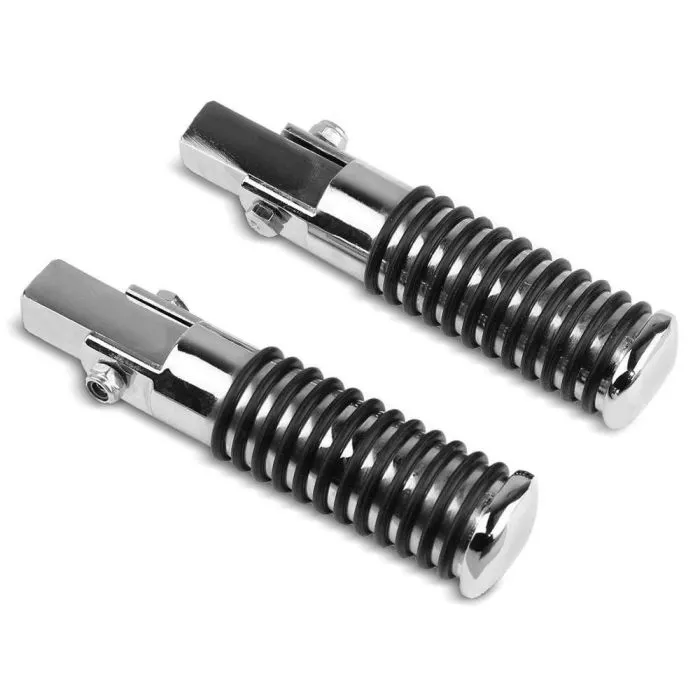
Handlebars and footpegs are parts directly in contact with the rider. Using aluminum alloy reduces weight while maintaining sufficient strength.
Advantages:
-
Comfort: Lightweight handlebars and footpegs reduce the burden on the arms and legs, improving comfort during long rides.
-
Strength and Durability: Aluminum alloy can withstand significant forces and does not exhibit noticeable wear or deformation over time.
-
Ease of Processing: Aluminum alloy can be easily processed into various shapes to suit different styles and of motorcycle designs.
Applications:
-
Aluminum alloy is widely used in the handlebars and footpegs of sport motorcycles, ensuring lightweight and aesthetic appeal.
7. Radiators and Oil Coolers
Motorcycle radiators and oil coolers require excellent thermal conductivity. Aluminum alloy helps these components dissipate heat quickly, improving cooling efficiency.
Advantages:
-
Good Thermal Conductivity: Aluminum alloy's high thermal conductivity effectively transfers heat generated during engine operation, maintaining normal operating temperatures.
-
Lightweight: As auxiliary components, lighter radiators and oil coolers reduce overall vehicle weight, enhancing performance.
Applications:
-
Radiators and oil coolers in motorcycle cooling systems are typically made of aluminum alloy, especially in high-performance models with greater cooling demands.
8. Frequently Asked Questions (FAQ) About Aluminum Alloy in Motorcycle Components
1. Why is aluminum alloy widely used in motorcycle manufacturing?
Aluminum alloy is favored for its excellent combination of lightweight properties, high strength, corrosion resistance, and processability. These characteristics help improve motorcycle performance, fuel efficiency, handling, and durability, making it a popular choice, especially in high-performance and racing models.
2. How does aluminum alloy improve motorcycle frame performance?
-
Lightweight: Reduces overall weight, enhancing acceleration and agility.
-
High Strength: Withstands impacts and loads during operation.
-
Corrosion Resistance: Prolongs frame life, even in harsh environments.
3. What are the advantages of aluminum alloy wheel hubs?
-
Weight Reduction: Lowers rotational inertia, improving acceleration and fuel economy.
-
Strength and Toughness: Resists deformation during high-speed rides.
-
Aesthetic Flexibility: Allows for complex and visually appealing designs.
4. Why are engine covers made of aluminum alloy?
-
Thermal Conductivity: Efficiently dissipates heat, maintaining optimal engine temperatures.
-
Lightweight: Lowers vehicle weight and center of gravity, improving handling.
-
Corrosion Resistance: Ensures longevity, even when exposed to harsh conditions.
5. How does aluminum alloy benefit motorcycle suspension systems?
-
Reduced Unsprung Mass: Enhances agility and control during cornering.
-
High Strength and Rigidity: Withstands vibrations and impacts.
-
Durability: Corrosion resistance reduces maintenance needs and costs.
6. Why are brake calipers often made of aluminum alloy?
-
Precision Machining: Enables complex designs for better braking response.
-
Weight Reduction: Lowers unsprung mass, improving handling and comfort.
-
Heat Dissipation: Prevents brake fade by efficiently dispersing heat.
Conclusion
In summary, the application of aluminum alloy in motorcycle components not only meets the demands for lightweight and high strength but also enhances the overall performance of the vehicle through its excellent corrosion resistance and processability. This material has become a mainstream trend in modern motorcycle manufacturing, particularly in high-performance and racing models.
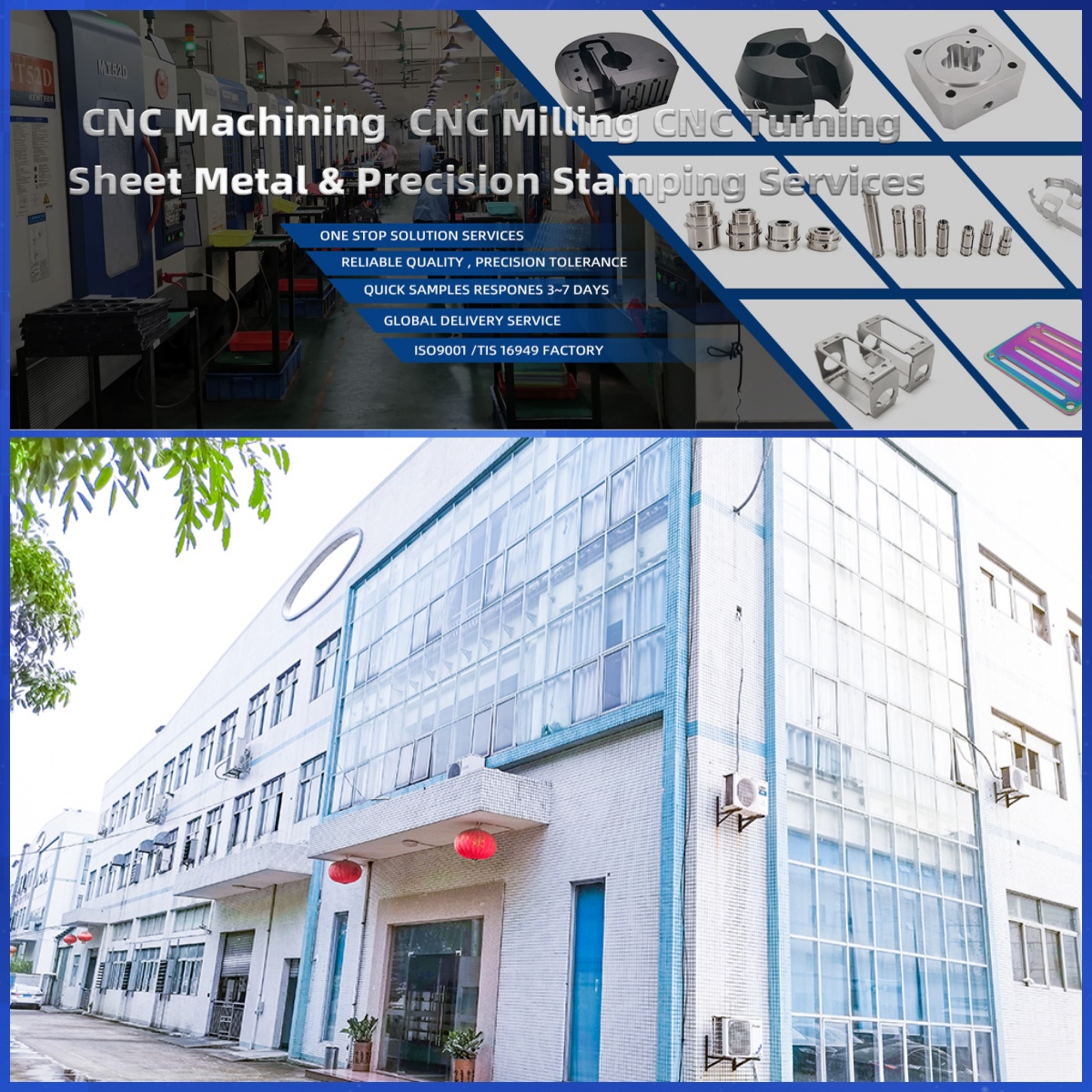
DongGuan YiTai Electronic Technologies Co.,Ltd
DongGuan YiTai Electronic Technologies Co.,Ltd is a manufacturing service provider located in Dongguan, China.
YiTai specialized in CNC turning machining and sheet metal fabrication mainly. As a member of Hung Mou Group, we focus on the overseas marketing development. And based on our parent company’s manufacturing capability and resources, YiTai also expended machining services such as die casting, injection molding, aluminum profile extrusion, 3D printing, which are committed to providing customers with one-stop purchasing services and experience.
CNC MACHINING , CNC MILLING , CNC TURNING , SHEETMETAL , FASTENER , OTHERS




The Revolution of Die-Cast Parts in the Automotive Industry
Metal Surface Treatment – How to Interpret Salt Spray Test Reports
Related Article