Material Selection Guide for Custom Hardware CNC Machining: In-Depth Analysis of 6 Cost-Effective Metals – Properties, Applications & Practical Insights

1. Introduction

Choosing the right metal for your CNC machining project is one of the most important decisions you will make. The material you pick affects not only how your part performs but also how easy it is to machine and how much it costs .
This guide covers six common metals used in CNC machining. For each one, we explain the key properties, how it machines, and what types of Chinese products it is best for. We also include real examples to help you see how these materials are used every day.
Expert Insight: According to material selection engineers, the right material choice can reduce machining costs by up to 30% and extend part life significantly. Understanding each metal"s strengths helps you avoid expensive mistakes .
2. 45# Steel – The Versatile Workhorse
What Is 45# Steel?
45# steel is a high-quality medium-carbon structural steel. The "45" means it has about 0.45% carbon content. It is one of the most common and cost-effective materials in Chinese machining shops .

Core Properties
-
Good balance of strength and toughness
-
Excellent heat treatment response
-
Good machinability in its normal state
-
Tensile strength: ≥600 MPa
-
Yield strength: ≥355 MPa
-
Hardness: ≤197 HB (untreated), up to HRC 55–62 after quenching
Machining 45# Steel
45# steel machines well in its untreated state. After heat treatment, it becomes harder and more wear-resistant. Most shops machine parts first, then heat treat them to final hardness .
Best cutting conditions:
-
Use carbide tools for best results
-
Moderate cutting speeds work well
-
Good chip control with proper feeds
Chinese Products Made from 45# Steel
| Product Type | Examples | Why This Material? |
|---|---|---|
| Shafts | Motor shafts, drive shafts | Good strength, low cost |
| Gears | Industrial machine gears | Wear resistance after hardening |
| Auto parts | Chassis components, connectors | Reliable under medium loads |
| Construction parts | Bolts, pins, structural links | Strong and affordable |
3. 40Cr Steel – The Strong Alloy for Heavy Loads
What Is 40Cr Steel?
40Cr is a chromium alloy structural steel that follows the Chinese standard GB/T 3077. It is one of the most widely used alloy steels in Chinese manufacturing .
Core Properties
-
Better hardenability than carbon steel
-
Good fatigue resistance for repeated loading
-
Strong and tough after quenching and tempering
-
Tensile strength: 850–1000 MPa (heat treated)
-
Yield strength: 800–950 MPa
-
Hardness: 32–36 HRC (tempered)
40Cr is similar to AISI 5140 and DIN 41Cr4 steels. This means it is recognized globally .
Machining 40Cr Steel
40Cr machines well in the annealed or normalized state. After heat treatment, it gets harder and needs stronger tools .
Tips for machining:
-
Machine first, then heat treat for best results
-
Use coolant to manage heat
-
Good for complex shapes that need strength
Chinese Products Made from 40Cr Steel
| Product Type | Examples | Why This Material? |
|---|---|---|
| Gears and shafts | Transmission gears, spindles | High strength, fatigue resistance |
| Fasteners | High-strength bolts, studs | Reliable under tension |
| Auto parts | Axles, connecting rods | Handles dynamic loads well |
| Machine parts | Couplings, pins, sleeves | Long service life |
4. 304 Stainless Steel – The Corrosion Resistant Choice

What Is 304 Stainless Steel?
304 is an austenitic stainless steel. It is the most common stainless steel used worldwide. In China, it is widely available and trusted for its corrosion resistance .
Core Properties
-
Excellent corrosion resistance to acids and rust
-
Good formability and weldability
-
Non-magnetic in annealed condition
-
Tensile strength: ~515 MPa
-
Yield strength: ~205 MPa
-
Hardness: ~201 HB
Machining 304 Stainless Steel
304 can be harder to machine than carbon steel. It tends to work-harden, which means the surface gets harder as you cut it. This can wear out tools faster .
Machining tips:
-
Use sharp tools and don't let them rub
-
Keep feeds aggressive enough to cut, not scrape
-
Use plenty of coolant
-
Lower cutting speeds than carbon steel (40–60 m/min)
Chinese Products Made from 304 Stainless Steel
| Product Type | Examples | Why This Material? |
|---|---|---|
| Food equipment | Mixing tanks, conveyor parts | Safe with food, easy to clean |
| Kitchenware | Sinks, countertop parts | Looks good, resists rust |
| Medical devices | Surgical tools, equipment housings | Sterilizable, non-reactive |
| Chemical parts | Pipes, valve bodies | Handles acids and chemicals |
5. 65Mn Steel – The Spring Steel for Elastic Parts
What Is 65Mn Steel?
65Mn is a high-carbon manganese spring steel. The "65" means about 0.65% carbon, and "Mn" shows the manganese content is high. It is the most common spring steel in China .
Core Properties
-
High elasticity – returns to shape after bending
-
Good wear resistance
-
High hardness after heat treatment
-
Tensile strength: 980–1180 MPa (heat treated)
-
Hardness: Up to 60 HRC (quenched), 45–52 HRC (tempered)
Machining 65Mn Steel
65Mn is harder to machine than regular carbon steel. The high carbon content makes it tough on tools. Most shops machine it in the annealed state, then heat treat the finished part .
Challenges:
-
High tool wear
-
Heat builds up at cutting edge
-
Thin parts can chatter
Solutions:
-
Use carbide or coated tools
-
Machine in annealed state (170–207 HB)
-
Good cooling is essential
Chinese Products Made from 65Mn Steel
| Product Type | Examples | Why This Material? |
|---|---|---|
| Springs | Leaf springs, coil springs | Excellent elasticity |
| Knives and blades | Machetes, cleavers, bushcraft knives | Holds sharp edge, flexible |
| Agricultural tools | Mower blades, tiller parts | Tough and wear-resistant |
| Hand tools | Saw blades, pruning shears | Stays sharp, absorbs shock |
Real-world example: Many Chinese-made outdoor knives use 65Mn steel. It offers good edge retention at a lower cost than stainless tool steels. With proper coating or care, it performs very well .
6. HT150 Gray Cast Iron – The Stable Base Material
What Is HT150?
HT150 is a gray cast iron. The carbon in it forms thin graphite flakes. When you break it, the break looks gray – that"s where the name comes from .
Core Properties
-
Good compressive strength (3-4 times tensile strength)
-
Excellent vibration damping – 10 times better than steel
-
Good wear resistance
-
Easy to cast into complex shapes
-
Tensile strength: ~150 MPa (minimum)
-
Compressive strength: Much higher than tensile
Machining HT150
Gray cast iron is one of the easiest materials to machine. The graphite flakes act as a lubricant, so chips break easily and tools last long .
Machining advantages:
-
No long, stringy chips
-
Low cutting forces
-
Good surface finish achievable
-
No coolant needed in many cases (dry machining works)
Chinese Products Made from HT150
| Product Type | Examples | Why This Material? |
|---|---|---|
| Machine bases | Lathe beds, milling machine stands | Dampens vibration, stable |
| Housings | Pump bodies, valve bodies | Casts easily, holds shape |
| Engine parts | Cylinder blocks (older designs) | Wear-resistant, dampens noise |
| Pipes and fittings | Drainage pipes, manhole covers | Low cost, good strength |
7. Cr12 Steel – The Wear Resistant Tool Steel
What Is Cr12 Steel?
Cr12 is a high-carbon, high-chromium tool steel. It is a popular choice for cold work dies in China. It is sometimes called "non-deforming steel" because it changes shape very little during heat treatment .
Core Properties
-
Very high wear resistance
-
Excellent hardenability
-
Minimal distortion during quenching
-
Good compressive strength
-
Hardness: Can reach 60+ HRC after heat treatment
Machining Cr12 Steel
Cr12 is difficult to machine in its hardened state. Most shops machine it soft, then heat treat it. For final finishing after hardening, ceramic tools work well .
Research shows that with Al2O3-TiN ceramic tools, the best cutting speed is about 166 m/min with a depth of 0.4 mm and feed of 0.102 mm/r. This gives the longest tool life .
Machining challenges:
-
Very hard after heat treatment
-
Abrasive to cutting tools
-
Needs rigid setup and strong tooling
Chinese Products Made from Cr12 Steel
| Product Type | Examples | Why This Material? |
|---|---|---|
| Cold work dies | Blanking dies, forming dies | Stays sharp, resists wear |
| Drawing dies | Wire drawing dies | Handles high friction |
| Rolling rolls | Thread rolling dies | High compressive strength |
| Gauges and tools | Inspection fixtures, punches | Holds size, long life |
8. Material Comparison Table
Here is a quick comparison of all six materials to help you choose :
| Material | Machinability | Strength | Wear Resistance | Corrosion Resistance | Cost | Best For |
|---|---|---|---|---|---|---|
| 45# Steel | Good | Medium | Medium | Poor (rusts) | Low | Shafts, gears, general parts |
| 40Cr | Good | High | High | Poor | Medium | Heavy-load parts, axles |
| 304 SS | Fair | Medium | Medium | Excellent | Medium-High | Food, medical, chemical |
| 65Mn | Fair | High | High | Poor | Medium | Springs, blades, tools |
| HT150 | Excellent | Low (tensile) | Medium | Poor | Low | Machine bases, housings |
| Cr12 | Poor (hardened) | Very High | Very High | Poor | High | Dies, punches, tooling |
9. Expert Tips for Material Selection
Match Material to Application
"The most common mistake we see is using the wrong material for the job," says a senior machining engineer. "People pick 45# steel for everything because it's cheap. But for parts that need corrosion resistance, that's a disaster" .
Consider Total Cost
Material cost is only part of the picture. A cheaper material that is hard to machine may cost more overall than a slightly more expensive but easier-to-machine option .
Think About Heat Treatment
Many of these materials change properties with heat treatment. Plan your machining sequence carefully:
-
Machine first, then heat treat for most alloy steels (40Cr, 65Mn, Cr12)
-
Machine after heat treat only if you have the right tools (ceramic for hardened Cr12)
-
45# steel can be machined either way, depending on needs
Check Equivalents
If you are designing for global production, check material equivalents. 40Cr is similar to AISI 5140. This helps when sourcing materials in different countries .
10. Frequently Asked Questions
Q: What is the cheapest material for CNC machining?
A: 45# steel and HT150 gray cast iron are usually the lowest cost options. They are widely available in China and machine well. For simple parts that don't need corrosion resistance, these are good choices .
Q: Which material is best for parts that need to bend and spring back?
A: 65Mn spring steel is designed for exactly this. It has high elasticity and returns to shape after bending. It is used for springs, clips, and blades that need flexibility .
Q: Can I use 304 stainless steel for marine parts?
A: Yes, but 316 stainless is even better for salt water. 304 resists corrosion well, but in constant salt water exposure, 316L is preferred. For many marine applications, 304 works fine if it's not constantly submerged .
Q: What is the difference between 45# steel and 40Cr?
A: 40Cr has chromium added, which gives it better hardenability and strength. 45# is plain carbon steel. For parts that need higher strength or fatigue resistance, choose 40Cr. For general parts where cost matters most, 45# is fine .
Q: Is HT150 good for parts that get hit or impacted?
A: No, be careful. Gray cast iron has good compressive strength but low tensile strength. It can break if hit hard. For impact loads, use steel instead .
Q: Why is Cr12 called "non-deforming steel"?
A: Because it changes shape very little during heat treatment. This makes it perfect for dies and tools that must keep exact dimensions after hardening. Other steels can warp or twist when quenched .
Q: Will 65Mn steel rust?
A: Yes, it will rust if not protected. 65Mn is not stainless. For knives or tools made from 65Mn, you need to keep them oiled or apply a coating. Some manufacturers use a dark oxide coating for protection .
Q: Which material is easiest to machine?
A: HT150 gray cast iron is extremely easy to machine. The graphite flakes help chips break and lubricate the cut. 45# steel in its untreated state is also very machinable. The hardest to machine on this list is hardened Cr12 .
Q: Can I weld these materials?
A: It depends.
-
304 stainless welds well
-
45# steel can be welded but may need preheating
-
40Cr can be welded with care
-
65Mn is difficult to weld due to high carbon
-
HT150 can be welded but needs special procedures
-
Cr12 is not usually welded
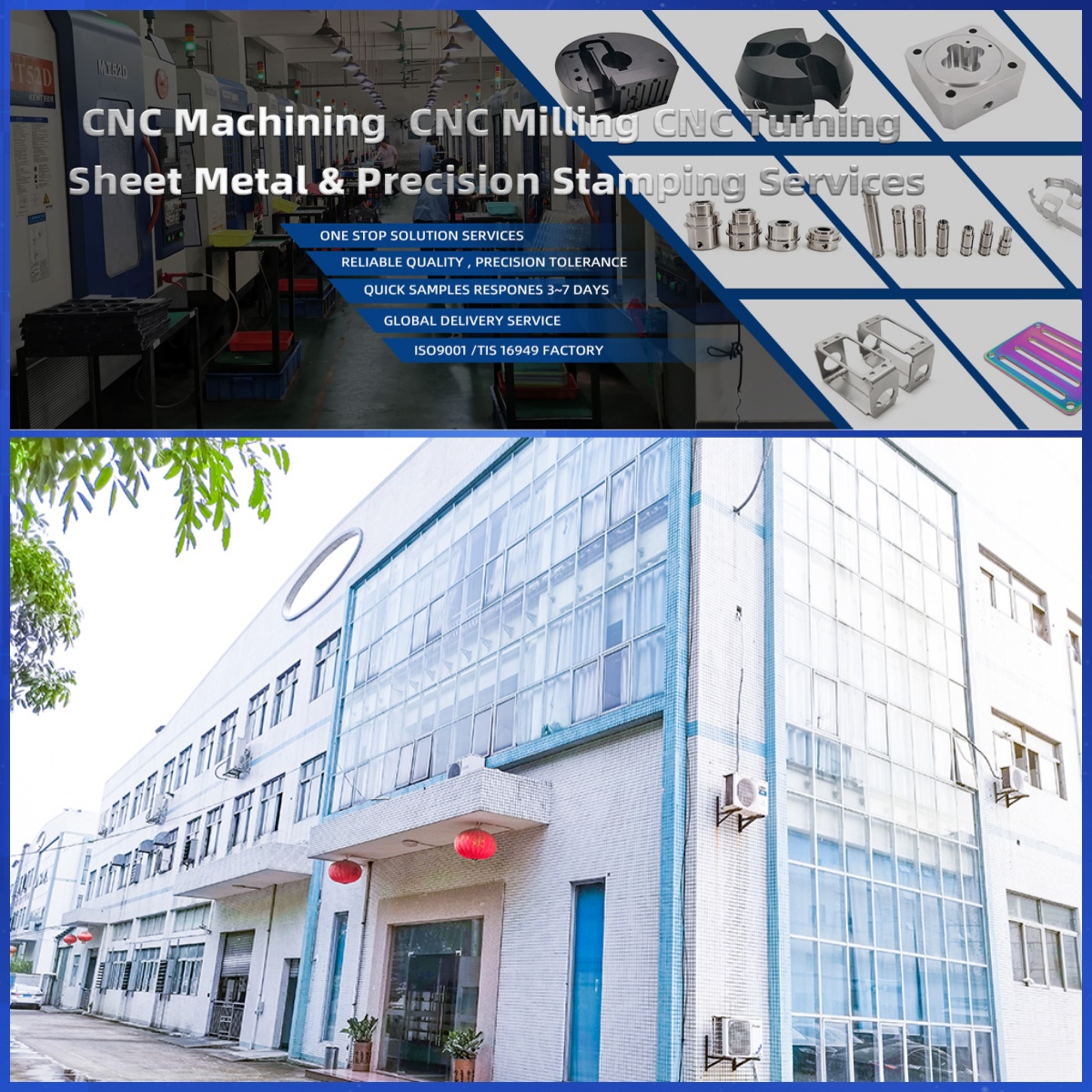
DongGuan YiTai Electronic Technologies Co.,Ltd
DongGuan YiTai Electronic Technologies Co.,Ltd is a manufacturing service provider located in Dongguan, China.
YiTai specialized in CNC turning machining and sheet metal fabrication mainly. As a member of Hung Mou Group, we focus on the overseas marketing development. And based on our parent company’s manufacturing capability and resources, YiTai also expended machining services such as die casting, injection molding, aluminum profile extrusion, 3D printing, which are committed to providing customers with one-stop purchasing services and experience.
CNC MACHINING , CNC MILLING , CNC TURNING , SHEETMETAL , FASTENER , OTHERS




The Ultimate Guide to Camshaft Machining: How CNC Technology Redefines Precision for the Engine Heart
The Complete Guide to Aluminum Milling and CNC Machining
Related Article