Stainless steel 301/302/303/304 performance comparison

We all know 316L stainless steel is a highly corrosion-resistant and durable material commonly used in the manufacturing of medical devices and surgical implants.
In popular terms, stainless steel is not easy to rust steel, in fact, a part of stainless steel, both stainless, and acid resistance (corrosion resistance). Stainless steel's rustlessness and corrosion resistance are due to the formation of chromium-rich oxide film (passivation film) on its surface. This rustlessness is relative to corrosion resistance.
304
304 stainless steel is a versatile stainless steel, which is widely used in the production of equipment and parts requiring good comprehensive properties (corrosion resistance and formability).
Stainless steel shows obvious work hardening phenomenon during deformation, and is used in various occasions requiring higher strength.
302 stainless steel is essentially a variant of 304 stainless steel with higher carbon content, which can be obtained with higher strength through cold rolling.
This is a kind of stainless steel with high silicon content, which has high resistance to high temperature oxidation.
These two stainless steels are free-cutting stainless steels containing sulfur and selenium respectively, which are used for occasions where the main requirements are free cutting and surface roughness. 303Se stainless steel is also used to make parts that require hot upsetting, because under these conditions, this stainless steel has good hot workability.
304L is a variant of 304 stainless steel with a lower carbon content and is used in applications where welding is required. The lower carbon content minimizes the carbides precipitated in the heat-affected zone near the weld, which can lead to intergranular corrosion (welding erosion) in stainless steel in some environments.
304N is a nitrogen-containing stainless steel, and nitrogen is added to improve the strength of the steel.
These two stainless steels contain high nickel, and their work hardening rate is low, which is suitable for various occasions with high requirements for cold formability.
308 stainless steel is mainly used to make welding rods.
The nickel and chromium content of this series of stainless steels is relatively high, in order to improve the oxidation resistance and creep strength of the steel at high temperatures. The 30S5 and 310S are variants of 309 and 310 stainless steel, the difference is that the carbon content is lower, in order to minimize the carbide precipitated near the weld. 330 stainless steel has particularly high carburization resistance and thermal shock resistance.
These two stainless steels contain aluminum, so the point corrosion resistance in the Marine and chemical industry environment is much better than 304 stainless steel. Among them, type 316 stainless steel consists of variants including low-carbon stainless steel 316L, nitrogenous high-strength stainless steel 316N and free-cutting stainless steel 316F with high sulfur content.
321, 347 and 348 are titanium, niobium plus tantalum, niobium stabilized stainless steel, suitable for use at high temperature welding components. 348 is a stainless steel suitable for the nuclear power industry, which has a certain limit on the amount of tantalum and drill.
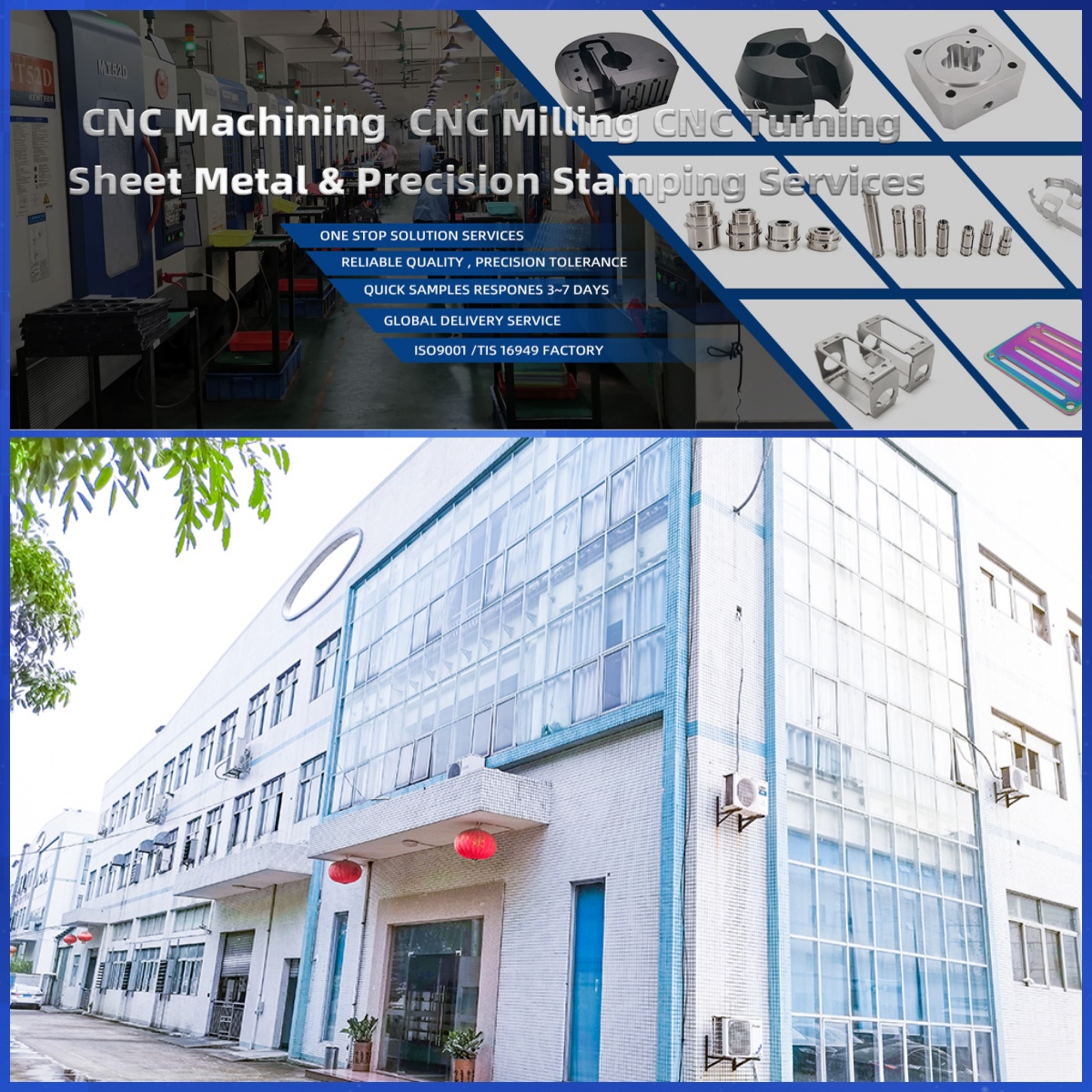
DongGuan YiTai Electronic Technologies Co.,Ltd
DongGuan YiTai Electronic Technologies Co.,Ltd is a manufacturing service provider located in Dongguan, China.
YiTai specialized in CNC turning machining and sheet metal fabrication mainly. As a member of Hung Mou Group, we focus on the overseas marketing development. And based on our parent company’s manufacturing capability and resources, YiTai also expended machining services such as die casting, injection molding, aluminum profile extrusion, 3D printing, which are committed to providing customers with one-stop purchasing services and experience.
CNC MACHINING , CNC MILLING , CNC TURNING , SHEETMETAL , FASTENER , OTHERS




Stainless steel types, grades and product forms Stainless steel types, grades and product forms
What are the differences between low carbon steel, medium carbon steel and high carbon steel?
Related Article