
CNC Machine VS CNC: They Are Certainly Not the Same!
author: YITECH
2024-12-05
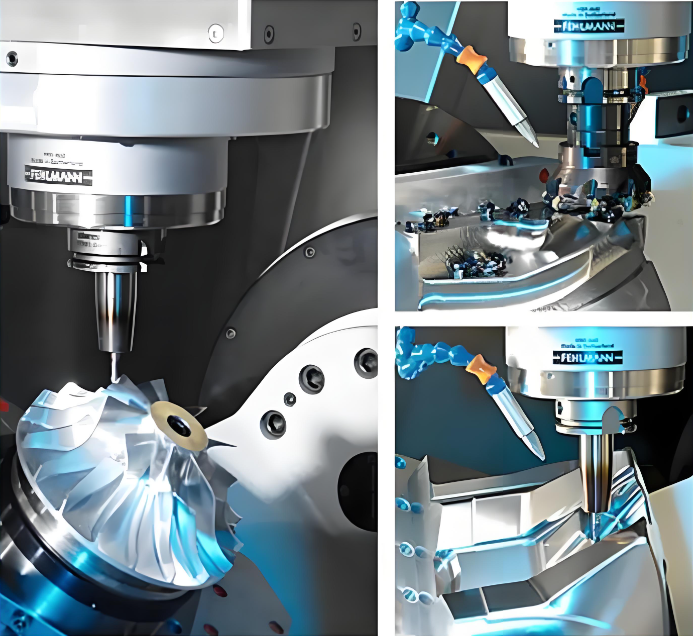
Our company specializes in providing 1custom CNC machining services to meet the unique needs of various industries.
In today's rapidly developing intelligent manufacturing industry, CNC (Computer Numerical Control) technology and CNC machines are undoubtedly the two key technologies that are driving the transformation and upgrading of the manufacturing industry. However, although they are often used interchangeably in daily contexts, they differ significantly in terms of functionality, application, and technology.
Today, we will explore in detail the differences between these two technologies to help you better understand and apply them. Simply put, a CNC machine is an automated machine tool that is controlled by computer programs. Equipped with a CNC system, it can interpret programming languages, convert complex machining tasks into the machine tool's motion trajectory, and automatically machine the workpiece. CNC, also known as Computer Numerical Control milling machine, is the core control system of CNC machine tools. The primary task of the CNC system is to receive, interpret, and execute programming instructions from Computer-Aided Design/Computer-Aided Manufacturing (CAD/CAM) systems, thereby accurately controlling the motion and machining process of the machine tool.
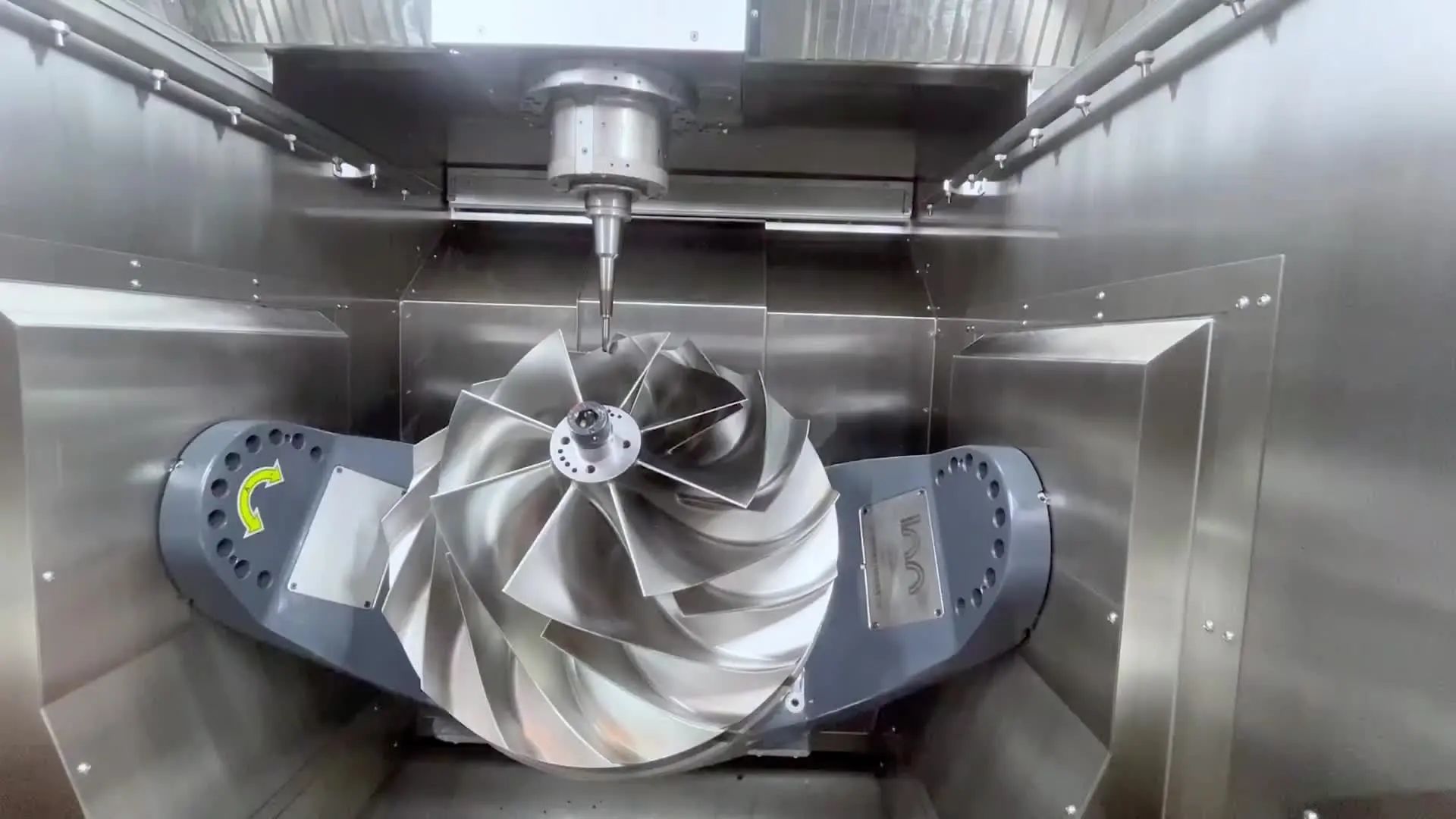
From the definitions' viewpoint, a CNC machine is an integrated system, and CNC is the critical part responsible for the "brain" work within the system. Therefore, while discussing the differences between the two, we focus more on the other components and functions of CNC machine tools beyond the CNC control system.
Besides the "brain" of CNC system, CNC machine tools also include the machine body, servo system, measurement feedback device, and other key parts. In contrast, the CNC system is more like a "commander," focusing on controlling the machining process. It receives the machining program and turns it into motion speed and position information for each axis of the machine tool through a series of complex processes. The CNC system then commands the servo system to drive the machine tool to complete the machining process. At the same time, the CNC system also has functions such as fault diagnosis and parameter setting, making monitoring and maintenance easier for operators.
In terms of application areas and processing capabilities, CNC machine tools exhibit their high accuracy, efficiency, and automation characteristics in mechanical processing and can be widely used in the automotive manufacturing, aerospace, mold production, and other industries. Whether it is complex-shaped parts or large-batch production tasks, CNC machine tools can easily cope with different processing requirements.
CNC systems, as the core driving force of CNC machine tools, are naturally closely connected to CNC machine tools' application areas. With technology continuously improving, CNC systems are constantly upgrading to meet increasingly broad processing scenarios and higher precision requirements. For example, modern CNC systems can support five-axis linkage processing, high-speed and high-precision machining technology, further enhancing the processing capabilities and market competitiveness of CNC machine tools.
Both CNC machine tools and CNC systems are continually pursuing technological innovation and performance improvement. By adopting more advanced control algorithms, optimizing the machine tool structure, and enhancing servo system performance, the processing accuracy, efficiency, and stability can be further improved. Additionally, introducing new sensors, machine vision, and other technologies can achieve more intelligent process monitoring and quality inspection. With the widespread application of the Internet of Things and Big Data, CNC machine tools and CNC systems are gradually digitized, networked, and intelligent, providing strong support for the transformation and upgrading of the manufacturing industry.
5 Axis Machining - Something you may looking for (Part1)
Something about cnc you must need to know
Related Article

Choosing between 316 and 316L? 316L resists weld decay better, 316 holds strength at higher heat. Both food-grade, both marine-grade. Quick, no-fluff breakdown.
316 vs 316L Stainless Steel for CNC Machining
What is stamping and when do you use it? A plain guide to sheet metal stamping, dies, and progressive tools, plus the parts it makes faster than machining.
What Is Stamping in Metal Manufacturing?

