Stainless Steel Selection Guide: 18/8, 316, or 303? Finding the Manufacturing Optimum Between Machinability, Corrosion Resistance, and Cost
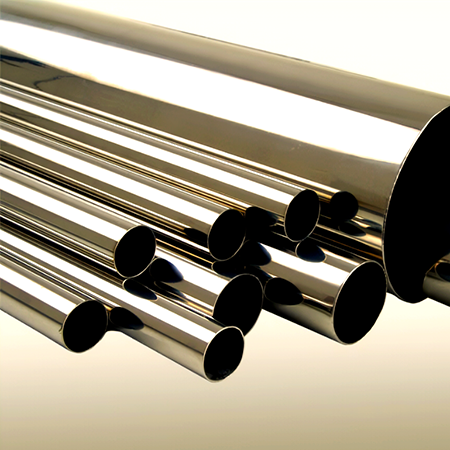
This guide compares the three most common stainless grades. You will learn how their chemistry affects corrosion resistance, how they machine, and which one saves you money in the long run.
1. Key Differences in Chemistry and Corrosion Resistance
The three grades have different alloying elements. This changes how they resist rust.
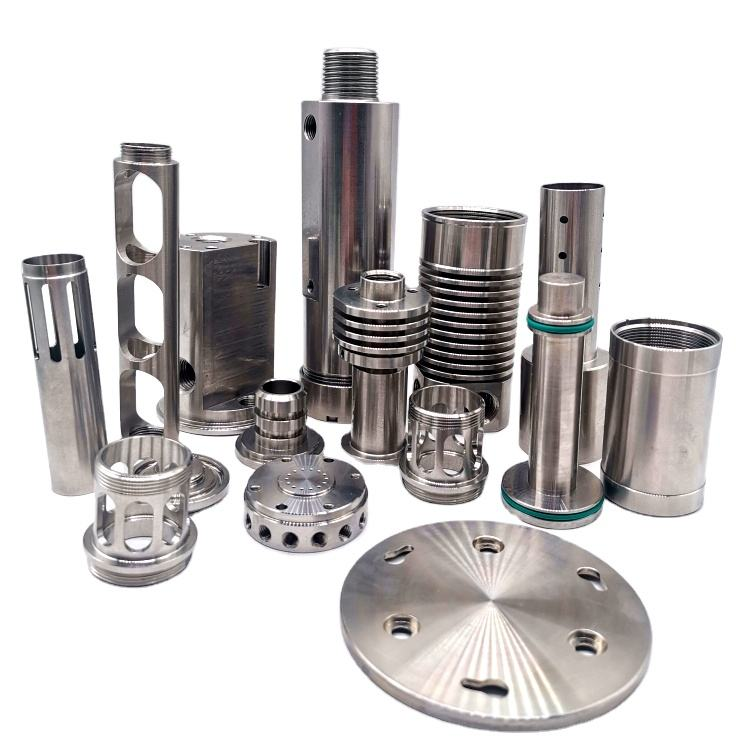
18/8 (304 / 304L) – General Purpose Benchmark
18/8 means 18% chromium, 8% nickel. No molybdenum. It resists rust in fresh water, air, and mild chemicals. It is the standard for food equipment, kitchenware, and general industrial parts.
-
Corrosion limit: Will pit in salt water or chlorides (like bleach). Not for marine use.
316 – Molybdenum for Chloride Resistance
316 adds 2‑3% molybdenum. This small addition greatly improves resistance to chloride pitting. It is the choice for marine hardware, chemical plants, and medical implants.
-
Corrosion limit: Very good in salt water. Still not as good as titanium, but much better than 304.
303 – Sulfur for Machinability, at a Cost
303 is 304 with sulfur (or selenium) added. The sulfur makes chips break short. It also improves tool life. But sulfur reduces corrosion resistance. 303 is not for welding, not for marine use, and not for high‑polish surfaces (sulfur leaves stringers).
-
Corrosion limit: Good in dry indoor environments. Poor in humid or salty conditions.
The table below summarizes corrosion resistance.
| Grade | Key Addition | Chloride (Salt) Resistance | General Corrosion | Weldability |
|---|---|---|---|---|
| 18/8 (304) | – | Fair | Good | Good |
| 316 | 2‑3% Mo | Excellent | Very good | Good |
| 303 | 0.15‑0.35% S | Poor | Fair | Very poor (cracks) |
2. CNC Machinability Deep Dive
Machinability determines cycle time, tool cost, and surface finish.
303 – The Free‑Machining King
303 has a machinability rating of 75‑80% (compared to 100% for free‑cutting brass). Chips are short and well‑broken. Tool life is long. Surface finish is smooth. It is the first choice for high‑volume automatic lathe work (connectors, fittings, shafts).
-
Best conditions: Use carbide tools, moderate speed (120‑180 m/min), and coolant. No special tricks needed.
18/8 (304) – Work Hardening Requires Care
304 machines at only 40‑45% of brass. It work hardens quickly. If the tool rubs instead of cuts, the surface gets hard. The next cut is even harder. Long, stringy chips can wrap around the tool.
-
Best practices: Use sharp, positive rake tools. Take a cut depth of at least 0.2mm – do not take very light finishing passes. Use high‑pressure coolant. Feeds must be aggressive enough to stay under the hardened layer.
316 – Even Higher Cutting Resistance
316 is similar to 304 but slightly more difficult. The molybdenum adds strength and toughness. Cutting forces are about 10‑15% higher than 304. Heat builds up faster. Tool wear is higher.
-
Best practices: Same as 304, but reduce speed by 10‑15%. Use TiAlN‑coated carbide. For deep holes, use peck drilling with coolant through the drill.
The table below compares machinability.
| Grade | Machinability Rating | Chip Type | Tool Life | Surface Finish |
|---|---|---|---|---|
| 303 | 75‑80% | Short, broken | Long | Excellent |
| 18/8 (304) | 40‑45% | Long, stringy | Moderate | Good (with care) |
| 316 | 35‑40% | Stringy, tough | Moderate to short | Good |
3. Application and Cost Decision Matrix
Use this matrix to pick the right grade for your part.
Best Application for Each Grade
| Environment / Need | Best Grade | Why |
|---|---|---|
| Food equipment, indoor hardware, general machinery | 18/8 (304) | Good corrosion, good weldability, moderate cost |
| Marine, coastal, chemical plant, medical implant | 316 | Excellent chloride resistance |
| High‑volume machined parts (connectors, sensor bodies, fasteners) | 303 | Low machining cost, consistent chips |
| Welded assemblies (tanks, frames) | 304 or 316 | 303 cracks under welding heat |
Cost Breakdown – Material and Machining
The material cost per kg: 303 ≈ 304 < 316 (316 is about 20‑30% more expensive than 304). But machining cost changes the total.
For a simple turned part (10mm diameter, 50mm long, quantity 10,000):
-
303: Fastest cycle time, lowest tool wear → lowest total cost.
-
304: Slower cycle time, more tool changes → 15‑20% higher total cost than 303.
-
316: Slowest cycle time, highest tool wear → 30‑40% higher total cost than 303.
But if the part goes on a boat, 303 will rust. The higher cost of 316 is justified.
Lifecycle Value Assessment
A part that fails after one year is expensive, even if it was cheap to make. Always consider the environment.
-
Indoor, dry: 303 is fine and cheap.
-
Indoor, humid (bathroom, food prep): Use 304.
-
Outdoor, near coast: Use 316. Do not risk 304.
4. Expert Insight: 303 Is Not for Welding or Salt Water
“I have seen engineers specify 303 for a marine fitting because they wanted easy machining. The part looked great off the lathe. After three months on a boat, it had rust spots. The sulfur in 303 creates tiny inclusions. Those inclusions are the first place corrosion starts. For salt water, always use 316 or a super duplex grade. For welding, never use 303 – it will crack along the weld. Know the limits of free‑machining grades.”
— Senior Materials Specialist, DongGuan YiTai Electronic Technologies
We Provide Precise Material Selection, Prototyping, and Cost Comparison
At DongGuan YiTai Electronic Technologies , we machine all three grades every day. We can make prototype parts in 303, 304, and 316 from the same drawing. Then you can test corrosion resistance and measure cycle times. We provide a side‑by‑side cost comparison.
Send us your drawing and tell us the operating environment. We will recommend the best stainless grade and give you a quote for each option.
5. Frequently Asked Questions (FAQ)
Q: Is 18/8 stainless steel the same as 304?
A: Yes. 18/8 refers to 18% chromium and 8% nickel. This is the nominal composition of 304. 304L has lower carbon for better weldability. For most machined parts, 304 and 304L are interchangeable.
Q: Can I use 303 for food contact parts?
A: Generally yes, but with caution. The sulfur can leave tiny pits that trap food. Most food equipment uses 304 or 316 because they are easier to clean and polish. Check local food safety regulations.
Q: Why is 316 more expensive than 304?
A: Molybdenum is a costly alloying element. Also, 316 is harder to machine, which increases machining time. The material itself costs about 20‑30% more per kg.
Q: Which grade gives the best surface finish after machining?
A: 303 gives the best as‑machined finish because of the sulfur lubricating effect. 304 and 316 can also give good finishes, but you need sharp tools and the right speeds. For mirror finishes, electropolish after machining.
Q: How do I prevent work hardening in 304?
A: Three rules. 1) Use sharp, positive rake tools. 2) Take a cut depth of at least 0.2mm. Do not take very light passes (0.05mm). 3) Use high‑pressure coolant. If you hear squealing, the tool is rubbing – increase feed or depth.
Q: Does DongGuan YiTai Electronic Technologies offer material certificates for all three grades?
A: Yes. We provide mill test reports (MTR) for 303, 304, and 316. We also offer passivation and electropolishing. Contact us with your material and certification requirements.
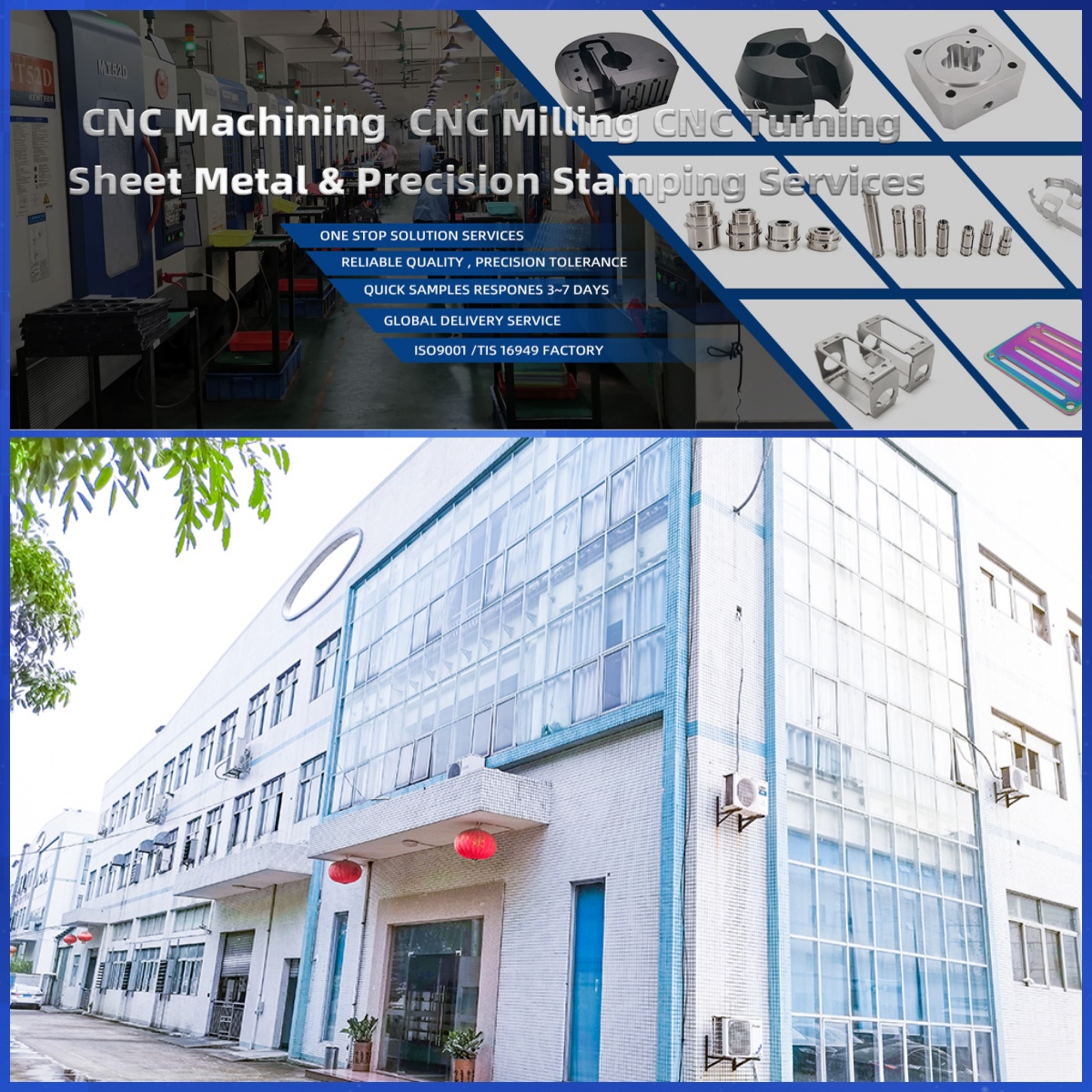
DongGuan YiTai Electronic Technologies Co.,Ltd
DongGuan YiTai Electronic Technologies Co.,Ltd is a manufacturing service provider located in Dongguan, China.
YiTai specialized in CNC turning machining and sheet metal fabrication mainly. As a member of Hung Mou Group, we focus on the overseas marketing development. And based on our parent company’s manufacturing capability and resources, YiTai also expended machining services such as die casting, injection molding, aluminum profile extrusion, 3D printing, which are committed to providing customers with one-stop purchasing services and experience.
CNC MACHINING , CNC MILLING , CNC TURNING , SHEETMETAL , FASTENER , OTHERS




Holemaking Decision Tree: Drilling vs Helical Milling vs Boring – Finding the Best Choice Based on Accuracy, Cost, and Flexibility
Design to Fight Corrosion: From Drawing to DFM – Ensuring CNC Parts Are Easy to Make and Last Long in Harsh Environments
Related Article