High‑Strength Steel Selection Guide: 1075 vs 1095 vs 4140 – A Complete Showdown of Heat Treat Hardness, Machinability, and Application Scenarios
1. Composition, Mechanical Traits, and Heat Treat Response
The three steels have different carbon content and alloying elements.

1075 – High Carbon for Springs and Impact Parts
1075 has 0.75% carbon. No other major alloys. It hardens well. After quenching and tempering, you get HRC 55‑60 . It has slightly better toughness (impact resistance) than 1095. That makes it a good choice for springs, lock washers, and parts that see sudden shock.
1095 – Very High Carbon for Hardness and Wear
1095 has 0.95% carbon. It can reach HRC 57‑63 . This is about as high as plain carbon steel can go. It holds a sharp edge very well. But toughness is lower than 1075. If you hit a 1095 part hard, it may crack.
4140 – Alloy Steel for Strength and Fatigue Resistance
4140 is a chromium‑molybdenum alloy. Carbon is 0.40%. It has high hardenability – even thick sections can be hardened through. After quenching and tempering, you can get HRC 50‑55 with excellent toughness and fatigue strength. It is the standard for structural parts that must not break.
The table below summarizes their heat treat response.
| Grade | Carbon % | Hardened HRC Range | Toughness | Hardenability |
|---|---|---|---|---|
| 1075 | 0.75 | 55‑60 | Good | Low (thin sections only) |
| 1095 | 0.95 | 57‑63 | Fair | Low (thin sections only) |
| 4140 | 0.40 | 50‑55 (up to 60 with special process) | Excellent | High (thick sections) |
2. Machinability Comparison
Machinability is how easy the steel cuts. The baseline is 1112 carbon steel at 100%.
| Grade | Condition | Machinability Rating | Tool Life | Surface Finish |
|---|---|---|---|---|
| 1075 | Annealed | ~55% | Moderate | Good |
| 1095 | Annealed | ~50% | Fair | Fair (can be rough) |
| 4140 | Annealed | ~60% | Good | Very good |
| 4140 | Hardened (HRC 40+) | ~25% | Poor – use CBN | Fair (grinding recommended) |
1075 vs 1095 in Machining
Both are hard to machine because of high carbon. 1075 is slightly easier. Chips are more brittle. 1095 produces long, stringy chips that stick to tools. You need sharp carbide, slow speeds (80‑120 m/min), and high feed.
4140 in Annealed State
4140 machines much better than 1075 or 1095. With carbide tools, you can run 150‑200 m/min. Surface finish is smooth (Ra 0.8‑1.6µm). This is why 4140 is preferred for shafts and parts that need both strength and machinability.
Hardened Steel Machining
If you harden any of these above HRC 40, standard carbide wears fast. For finishing hardened 4140 or 1095, use CBN (cubic boron nitride) or ceramic inserts. Better yet, leave 0.2‑0.3mm stock and finish grind.
3. Application Decision Matrix
Use this matrix to pick your grade.
| Need / Application | Best Grade | Why |
|---|---|---|
| High‑fatigue spring, lock washer, impact absorber | 1075 | Good hardness + better toughness than 1095. Lower cost than 4140 for thin sections. |
| Wear‑resistant tool, knife, die insert, precision blade | 1095 | Highest achievable hardness and edge retention. Accept lower impact resistance. |
| Structural load part, gear shaft, fastener, heavy‑duty pin | 4140 | Combines strength, toughness, and fatigue resistance. Machines well in annealed state. Can be case or through hardened. |
Examples from Real Projects
-
Automotive leaf spring: 1075. Needs to flex without breaking. Hardness HRC 52‑55.
-
Industrial shear blade: 1095. Needs extreme wear resistance. Hardness HRC 60‑62.
-
Hydraulic cylinder piston rod: 4140. Needs high strength and good machinability. Hardness HRC 45‑50.
4. Expert Insight: Hardness Alone Does Not Win
“I have seen designers pick 1095 because it gets the hardest. But for a part that sees any shock, 1095 can crack. For a spring, 1075 is often better. For a heavy shaft, 4140 is best even though it is softer. You must match the material to the load. Hardness is not the only number. Toughness and fatigue life matter just as much.”
— Senior Metallurgist, DongGuan YiTai Electronic Technologies
Our Multi‑Steel Machining Experience – Fast Material Selection and Prototype Validation
At DongGuan YiTai Electronic Technologies , we machine 1075, 1095, 4140, and many other carbon and alloy steels. We also offer heat treatment (quenching, tempering, annealing) and hardness testing.
We help you select the right grade. Send us your part drawing and performance needs (load, wear, impact). We will recommend a grade, provide a DFM analysis, and machine a prototype for testing.
5. Frequently Asked Questions (FAQ)
Q: What is the hardest steel among 1075, 1095, and 4140?
A: 1095 can reach the highest hardness (HRC 63). 1075 reaches HRC 60. 4140 maxes around HRC 55‑58. But hardness alone does not make a part good. Consider toughness and fatigue.
Q: Which one is easier to machine?
A: 4140 (annealed) is the easiest. It has a machinability rating of 60%. 1075 is about 55%. 1095 is the hardest to machine, around 50%.
Q: Can I weld 4140?
A: Yes, with care. Preheat to 200‑300°C. Use low hydrogen rods. After welding, stress relieve. Do not weld 1075 or 1095 – they are high carbon and will crack.
Q: What is the typical hardness for a 4140 shaft?
A: For most industrial shafts, HRC 45‑50 is standard. This gives a good balance of strength and toughness. For very high fatigue life, temper to HRC 35‑40.
Q: Is 1075 good for knife blades?
A: Yes, but 1095 is more common. 1075 makes a tough blade that is easier to sharpen. 1095 holds an edge longer but is more brittle. For hard use (chopping), 1075 is better. For fine cutting, 1095 is better.
Q: Does DongGuan YiTai Electronic Technologies offer heat treatment for these steels?
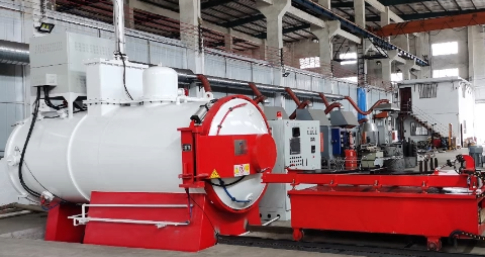
A: Yes. We have in‑house heat treatment furnaces for quenching, tempering, and annealing. We also provide hardness testing and metallurgical reports. Contact us with your material and hardness requirements.
DongGuan YiTai Electronic Technologies Co.,Ltd
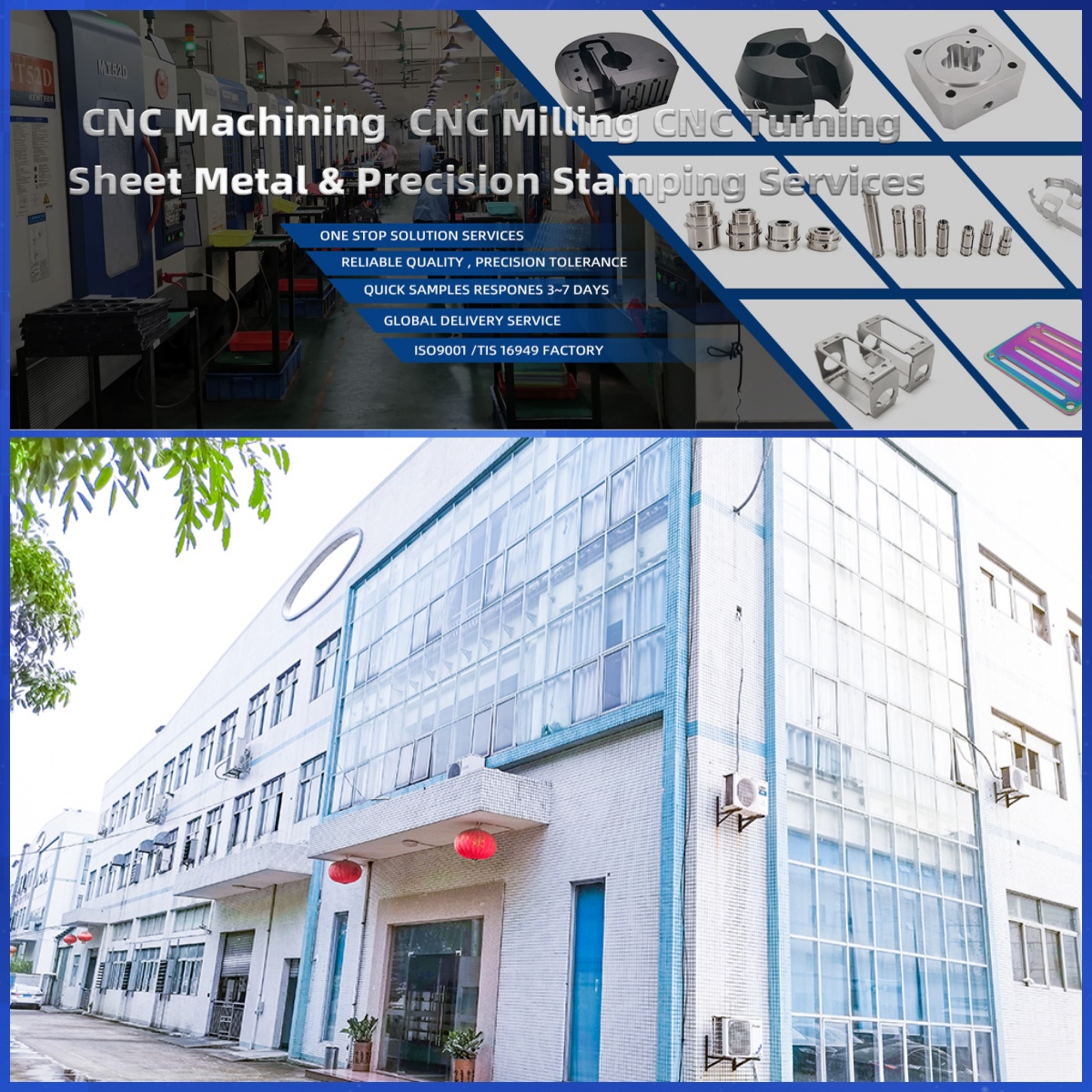
DongGuan YiTai Electronic Technologies Co.,Ltd is a manufacturing service provider located in Dongguan, China.
YiTai specialized in CNC turning machining and sheet metal fabrication mainly. As a member of Hung Mou Group, we focus on the overseas marketing development. And based on our parent company’s manufacturing capability and resources, YiTai also expended machining services such as die casting, injection molding, aluminum profile extrusion, 3D printing, which are committed to providing customers with one-stop purchasing services and experience.
CNC MACHINING , CNC MILLING , CNC TURNING , SHEETMETAL , FASTENER , OTHERS




Design for Perfect Sandblasting: A DFM Guide for Precision CNC Parts – Consistent Texture Without Dimensional Loss
Purchasing Aluminum Parts Made with Stamping + CNC: A Complete Supplier Selection and Project Management Handbook
Related Article