1008 vs 1018 Steel: Which Low-Carbon Alloy Is Right for Your Project?
- Head-to-Head Comparison: 1008 and 1018 Steel
- Machinability: Does 1008 or 1018 Machine Better?
- Formability and Weldability: Selecting for Complex Shapes
- Cost Analysis: Raw Material vs. Total Manufacturing Cost
- Application Matrix: Matching Steel Grades to End-Use
- Expert CNC Machining Services for 1008 and 1018 Steel
- Frequently Asked Questions
1. Head-to-Head Comparison: 1008 and 1018 Steel
1.1 Chemical Composition Breakdown (Carbon & Manganese Content)
1008 steel has very low carbon. It holds at most 0.10% carbon. Manganese stays between 0.30% and 0.50%. Phosphorus and sulfur stay low too.
1018 steel has more carbon at 0.15% to 0.20%. Manganese rises to 0.60% to 0.90%. Other elements match.
This small change in carbon and manganese makes a big difference in how the steel acts. Lower carbon in 1008 steel keeps it soft. Higher carbon and manganese in 1018 steel add strength.
Here is the table:
| Element | 1008 Steel | 1018 Steel |
|---|---|---|
| Carbon (C) | 0.10% max | 0.15–0.20% |
| Manganese (Mn) | 0.30–0.50% | 0.60–0.90% |
| Phosphorus (P) | 0.040% max | 0.040% max |
| Sulfur (S) | 0.050% max | 0.050% max |
1.2 Mechanical Properties at a Glance (Strength, Hardness)
1008 steel shows lower strength but good stretch. In cold-drawn form it reaches about 49,000 psi tensile strength. Yield strength sits near 41,000 psi. Brinell hardness is around 86.
1018 steel gives higher numbers. Cold-drawn tensile strength hits 64,000 psi. Yield strength reaches 54,000 psi. Brinell hardness climbs to 116.
Both steels work well cold-drawn or hot-rolled. 1018 steel feels harder and stronger right away.
Here is the table:
| Property | 1008 Steel (cold-drawn) | 1018 Steel (cold-drawn) |
|---|---|---|
| Tensile Strength | ~49,000 psi | ~64,000 psi |
| Yield Strength | ~41,000 psi | ~54,000 psi |
| Brinell Hardness | 86 | 116 |
| Elongation | Higher | Good but lower |
These numbers help you see which steel fits your load needs.
2. Machinability: Does 1008 or 1018 Machine Better?
2.1 Chip Formation and Surface Finish in 1008 Steel
1008 steel is soft. It makes long stringy chips during turning or milling. These chips can wrap around tools. Surface finish needs extra care. Shops often use special tools or slower speeds.
We see this every day at YiTai. Soft chips slow production if not controlled.
2.2 The Machining Advantages of 1018's Higher Carbon Content
1018 steel machines better. Higher carbon and manganese create short chips. Tools cut clean. Surface finish comes out smooth with standard speeds. Machinability rating reaches 70% (based on 1212 steel at 100%). 1008 steel rates only 55%.
Our lead CNC programmer at YITECH says, “1018 steel saves time on every job. Chips break easy and parts look great after one pass.”
Next we look at formability.
3. Formability and Weldability: Selecting for Complex Shapes
3.1 Why 1008 Excels in Deep Drawing and Bending Operations
1008 steel bends and stretches far without cracks. Low carbon keeps it very ductile. It works great for deep drawing, stamping, and bending. Car panels and wire products use it a lot.
You can form tight shapes fast. No extra heat needed.

3.2 Welding Considerations for Low-Carbon Steels
Both steels weld well. 1008 steel needs no preheat and shows less cracking risk. 1018 steel also welds fine but may need light control on thick parts.
We weld both grades daily at YiTai. Low carbon in each keeps the heat-affected zone strong.
4. Cost Analysis: Raw Material vs. Total Manufacturing Cost
Raw 1008 steel costs less. Lower carbon means simpler production. Sheets and coils come cheap.
1018 steel costs a bit more at first. But it machines faster and lasts longer in use. Total cost often drops for machined parts.
4.1 Is 1008 Always the More Economical Choice?
No. For simple formed parts yes. For precision CNC work 1018 steel often wins on total cost. Less scrap and faster cycle times pay back the extra material price.
At YiTai we run the numbers for every quote. Many clients save money with 1018 steel in the end.
5. Application Matrix: Matching Steel Grades to End-Use
5.1 When to Specify 1008 for Your Parts
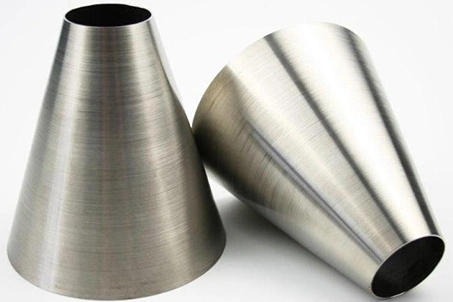
Pick 1008 steel for deep-drawn cups, automotive panels, rivets, and wire. It shines when you need max formability and low cost. Use it for sheet metal work or cold heading.
5.2 When 1018 is the Superior Engineering Choice
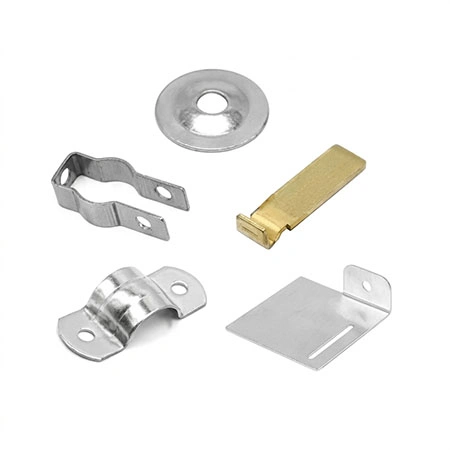
Choose 1018 steel for shafts, pins, gears, and machined brackets. It gives better strength and finish. Many CNC prototypes and production runs start here.
6. Expert CNC Machining Services for 1008 and 1018 Steel
6.1 YITECH's Experience with Both Steel Grades
At YiTai we have run CNC jobs on both steels for over ten years. We machined more than 50,000 parts. Our team knows how each grade behaves on mills, lathes, and routers. We adjust feeds and speeds based on real tests.
One project used 1008 steel for deep-drawn housings. Another ran 1018 steel for precision shafts. Both met tight tolerances and passed inspection fast.
6.2 Get Engineering Advice on Material Selection for Your Next Project
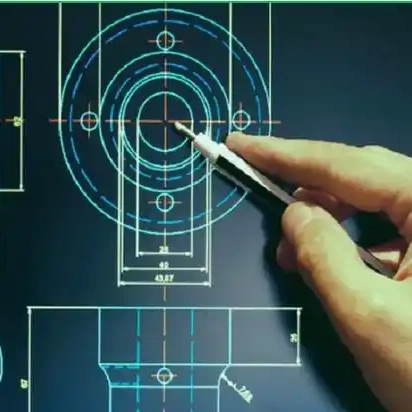
Send us your drawing. Our engineers review it free. They tell you which steel works best and why. We quote fast and deliver on time.
Contact YiTai today for expert help with 1008 steel or 1018 steel.
7. Frequently Asked Questions
Q: What is the main difference between 1008 and 1018 steel?
A: Carbon content. 1008 steel has less carbon so it forms easier. 1018 steel has more carbon so it gets stronger.
Q: Which steel machines better?
A: 1018 steel machines better. It gives short chips and smooth finishes.
Q: Can I weld both grades?
A: Yes. Both weld well. 1008 steel needs even less care.
Q: Is 1008 steel always cheaper?
A: Raw material yes. But total cost depends on your process.
Q: Which steel for deep drawing?
A: 1008 steel. It stretches more without cracking.
Q: When should I pick 1018 steel?
A: Pick it for parts that need strength and good surface finish after machining.
This guide gives clear facts. Use it to choose the right low-carbon steel for your project.
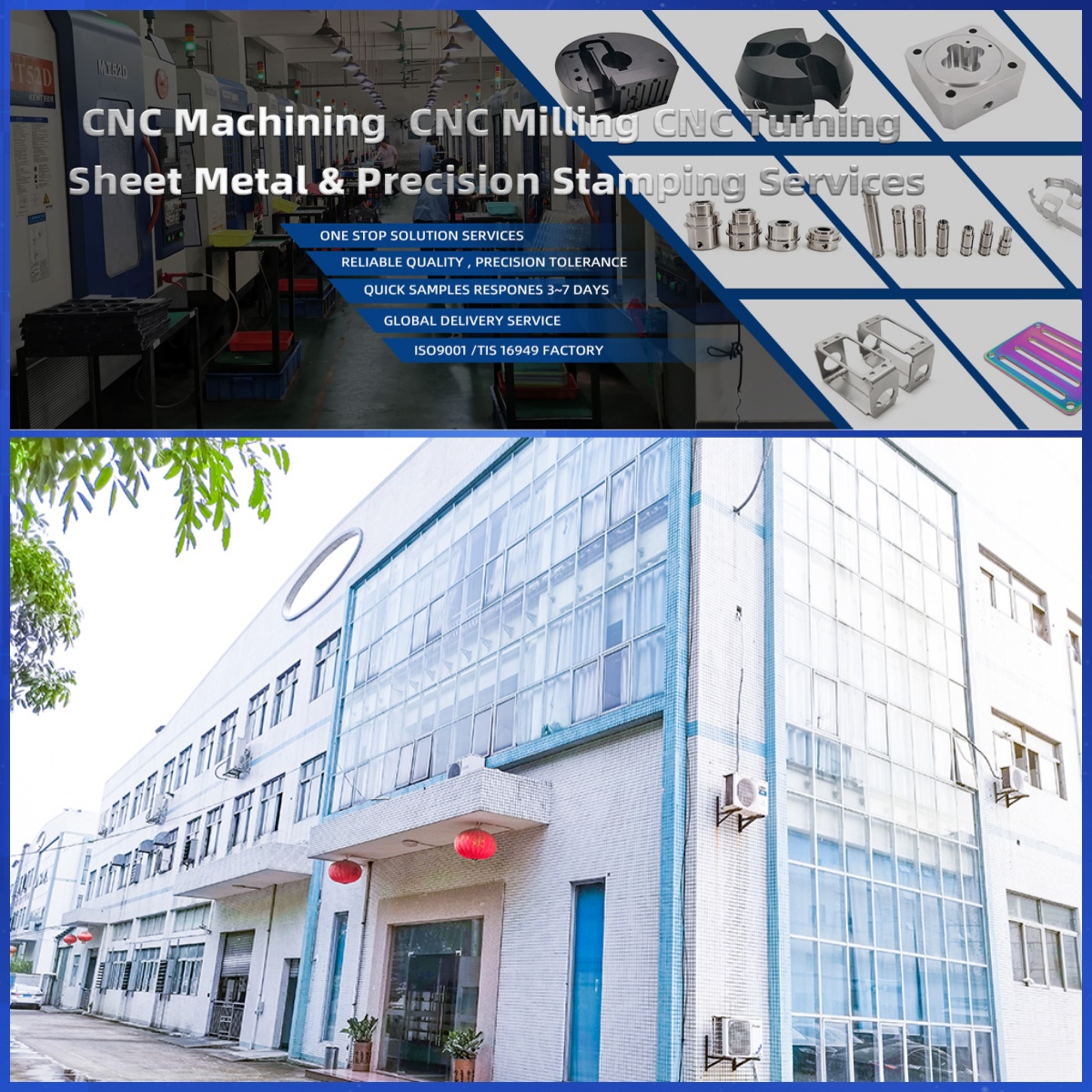
DongGuan YiTai Electronic Technologies Co.,Ltd
DongGuan YiTai Electronic Technologies Co.,Ltd is a manufacturing service provider located in Dongguan, China.
YiTai specialized in CNC turning machining and sheet metal fabrication mainly. As a member of Hung Mou Group, we focus on the overseas marketing development. And based on our parent company’s manufacturing capability and resources, YiTai also expended machining services such as die casting, injection molding, aluminum profile extrusion, 3D printing, which are committed to providing customers with one-stop purchasing services and experience.
CNC MACHINING , CNC MILLING , CNC TURNING , SHEETMETAL , FASTENER , OTHERS




Mastering CNC Machining for 1mm Thick High Precision Thin Wall Shells
5-Axis CNC Machining for Complex Precision Aluminum Alloy Small Parts – Overcoming Thin Walls and Tight Tolerances
Related Article