
What is passivation
author: YITECH
2024-06-24
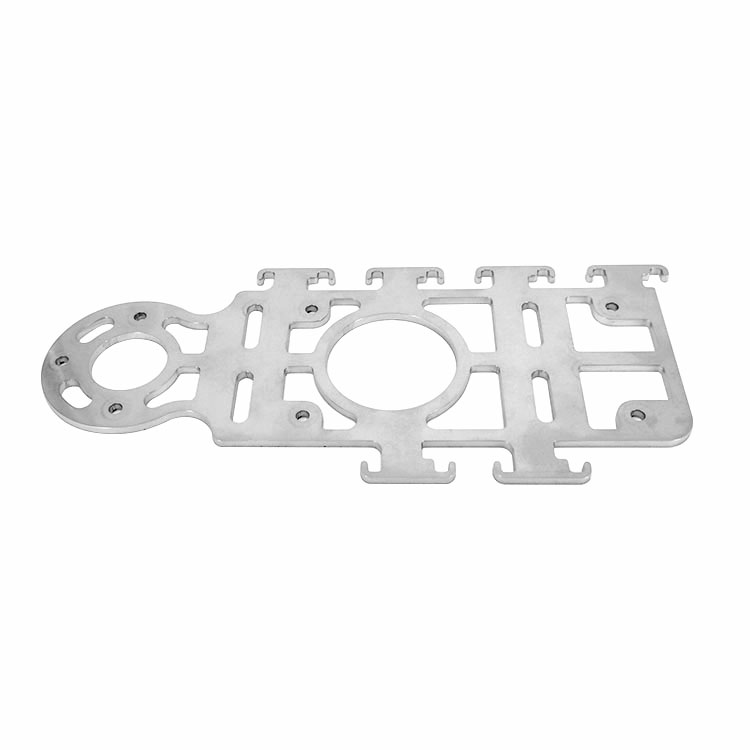
Passivation usually refers to surface treatment, which forms an oxide layer or plating on the metal surface to improve its corrosion resistance. During the passivation process, the metal surface reacts with a specific acid, alkali or salt solution to form a chemically stable passivation layer, which makes the metal less susceptible to oxidation, corrosion and wear. Common passivation methods include electrochemical passivation, chemical passivation and heat treatment passivation.
Specific application areas include
1. Automobile industry: passivation of automobile transmission system, chassis, braking system and automobile peripheral accessories to make them more corrosion-resistant.
2. Electronics industry: passivation treatment of the surface of electronic components to improve their corrosion resistance and electromagnetic interference resistance.
3. Construction industry: passivation of the surface of metal materials in building structures to extend their service life.
4. Medical devices: passivation is used for surface treatment of medical devices to ensure that they are highly corrosion-resistant and do not cause any harm to patients during use.
5. Aerospace industry: passivation treatment is used in the manufacture of aerospace vehicles to maintain the reliability and durability of aerospace vehicles in extreme environments.
Advantages of passivation
1. Good corrosion resistance, which can extend the service life of metal materials.
2. It will not affect the physical properties of metal materials.
3. The passivation process is simple, low-cost, easy to operate, and can be produced automatically.
4. A protective layer is formed on the surface of the metal material to prevent the surface from being mechanically scratched and corroded and oxidized by external factors.
Disadvantages of passivation
1. The thickness of the passivation layer is relatively thin. Once the passivation layer is damaged, the metal material is easily corroded and loses protection.
2. Passivation is only a treatment of the material surface. If the production conditions are not well controlled during production, it is easy to cause the quality of the passivation layer to be unstable.
3. It is necessary to use a suitable passivation liquid, and there are certain requirements for production environment conditions, wastewater treatment, etc.
4. Although passivation technology can achieve anti-corrosion effects, it is different from adding iron, adding chromium and other materials, and it cannot improve the strength and other properties of the material.
What is the sandblasting?
What is electrochemical polishing(EP)?
Related Article

Discover the benefits of CNC machining and how it can save costs in manufacturing processes.
How Much Cost Can CNC Machining Save?
Learn how CNC machining can create precise and complex custom parts, and how it benefits the development of custom parts manufacturing.
How CNC Machining Boosts Custom Parts Manufacturing

Looking for a cheap 3D printing service? Look no further! We offer affordable 3D printing solutions without compromising on quality. Our team uses state-of-the-art technology and high-quality materials to bring your designs to life. Whether you need prototypes, models, or production parts, we have you covered.
Something you may do not know about 3D printing
