
What is die casting?
author: YITECH
2024-06-14
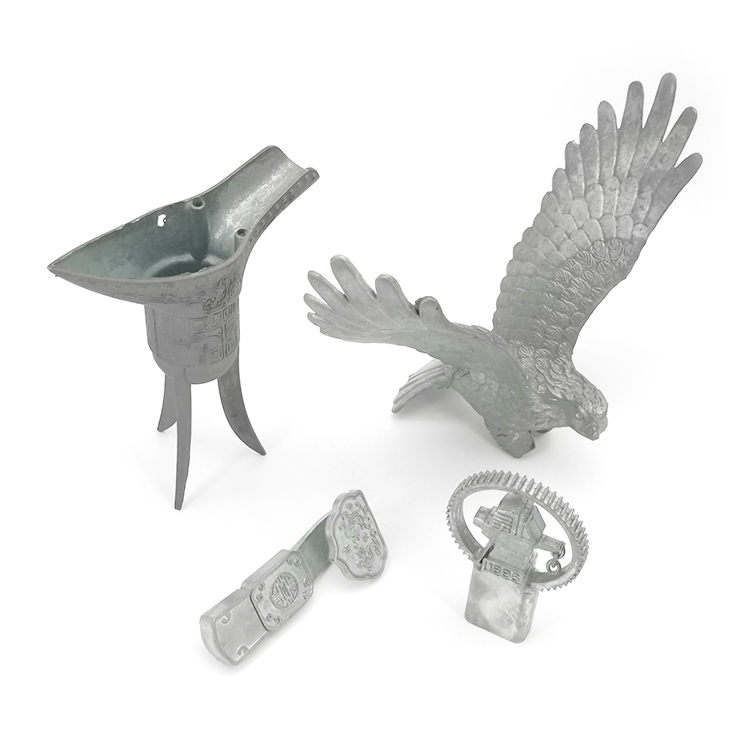
Die casting is a metal casting process that involves using a mold cavity to apply high pressure to melted metal. The molds are typically machined using high-strength alloys, in a process somewhat similar to injection molding. Most die casting castings do not contain iron and can include materials such as zinc, copper, aluminum, magnesium, lead, tin, and lead-tin alloys. The process is well-suited for mass-producing a large number of products, as the cost of casting equipment and molds is high.
Advantages of die casting include high production efficiency, high accuracy in producing complex shapes with precise dimensions, low production costs, and reduced waste and residual materials.
However, die casting also presents challenges such as large equipment investment, strict process requirements, limited size change of parts, and complex and costly mold manufacturing processes.
Overall, die casting offers high efficiency, precision, and economy, but it requires significant initial investment and specialized expertise.
What is Injection Molding and How Does It Work
What is precision wire EDM machining
Related Article

Discover the benefits of CNC machining and how it can save costs in manufacturing processes.
How Much Cost Can CNC Machining Save?
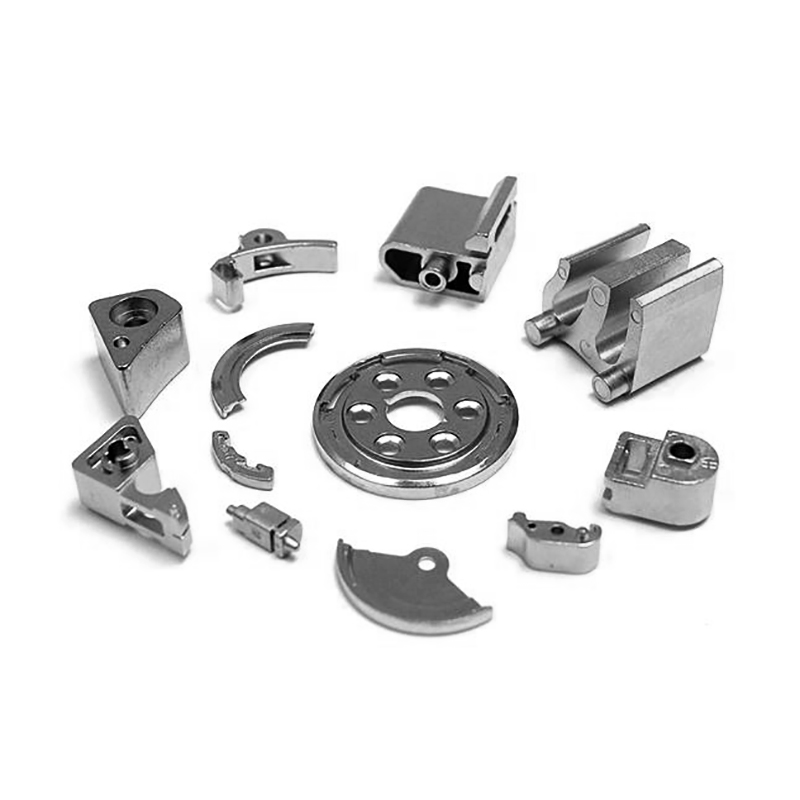
Learn how CNC machining can create precise and complex custom parts, and how it benefits the development of custom parts manufacturing.
How CNC Machining Boosts Custom Parts Manufacturing

Looking for a cheap 3D printing service? Look no further! We offer affordable 3D printing solutions without compromising on quality. Our team uses state-of-the-art technology and high-quality materials to bring your designs to life. Whether you need prototypes, models, or production parts, we have you covered.
Something you may do not know about 3D printing
