
Hardening
author: YITECH
2024-07-11
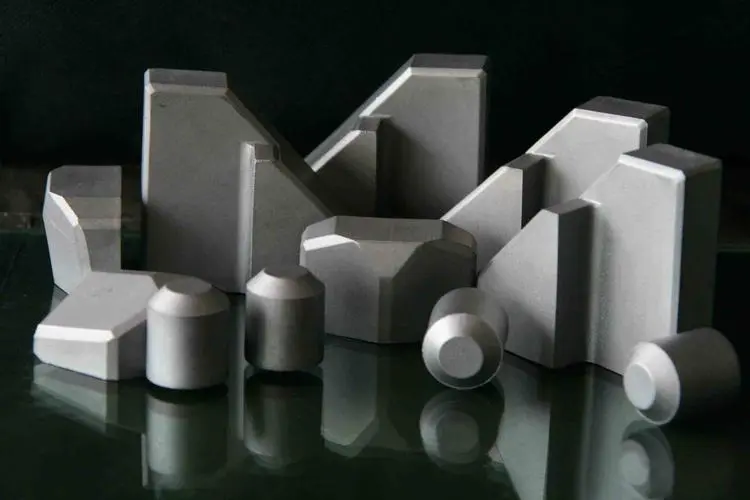
Hardening is a process that strengthens materials such as metals and plastics, making them more durable and resistant to wear and tear. It usually involves heating the material to a specific temperature, followed by rapid cooling, which alters its molecular structure and increases its hardness. Hardening can improve the lifespan and performance of products that are subject to frequent use and impact, such as tools, machinery, and automotive parts.
Hardening is a process that improves the hardness, wear resistance, corrosion resistance and other properties of the material surface by changing the chemical composition, organizational structure, heating temperature and cooling rate of the material surface. Common surface hardening processes include carburizing, nitriding, hydrogen treatment, multi-element alloying, electrochemical treatment, etc. Surface hardening can improve the surface properties of the material while maintaining the relative stability of the material volume, and improve its durability and stability during use. Surface hardening is widely used in manufacturing, aerospace, shipbuilding, electronics, automobiles, medical equipment and other fields.
Surface hardening can improve the surface hardness, wear resistance, corrosion resistance and other properties of the material, thus having the following advantages
1. Extend the service life of the material: Surface hardening can make the material surface more wear-resistant and corrosion-resistant, and increase the service life.
2. Improve surface quality: Surface hardening can improve the quality of the material surface, reduce surface roughness, improve smoothness, increase surface polishing, etc., making it more beautiful.
3. Reduce material weight: Surface hardening can improve the surface strength of the material, so that thinner materials can be used to replace the original heavy materials, reducing the overall weight.
4. Improve fatigue resistance: Surface hardening can reduce cracks and defects on the surface of the material, thereby improving its fatigue resistance.
5. May improve the conductivity and other properties of the material: Surface hardening can chemically treat the surface of the material, change the chemical composition and phase structure of the surface of the material, thereby possibly improving the conductivity and other properties of the material.
Brushed Copper
What is electrophoresis? And what are it's advantages?
Related Article

Discover the benefits of CNC machining and how it can save costs in manufacturing processes.
How Much Cost Can CNC Machining Save?
Learn how CNC machining can create precise and complex custom parts, and how it benefits the development of custom parts manufacturing.
How CNC Machining Boosts Custom Parts Manufacturing

Looking for a cheap 3D printing service? Look no further! We offer affordable 3D printing solutions without compromising on quality. Our team uses state-of-the-art technology and high-quality materials to bring your designs to life. Whether you need prototypes, models, or production parts, we have you covered.
Something you may do not know about 3D printing
