
What is electrochemical polishing(EP)?
author: YITECH
2024-06-24

Want to know details of the electrochemical polishing(EP)? Click the link to get more information.
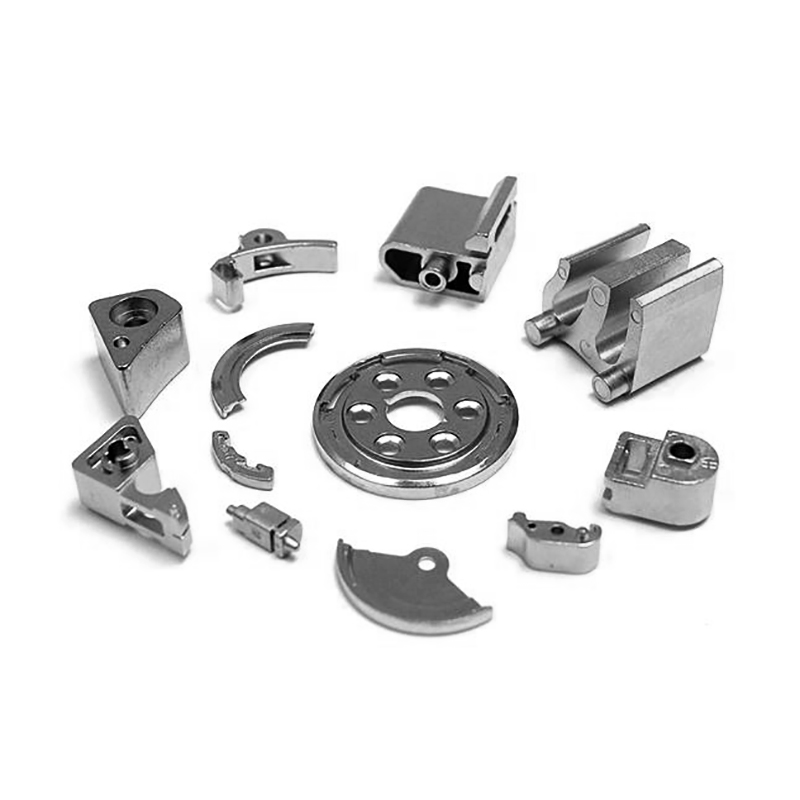
Electrochemical polishing(EP)is a technology that uses the chemical reaction produced during the electrolysis process to improve the surface quality of metals. It uses an electrolyte and two electrodes (anode and cathode) to remove protrusions on the metal surface (such as burrs, roughness and particles) and make the surface smoother and more reflective. During the EP process, the oxidation reaction on the anode removes impurities and oxide layers on the metal surface and releases oxygen and metal ions, while the reduction reaction on the cathode consumes metal ions and polishes the surface. Electrochemical polishing is suitable for many metals, such as copper, stainless steel, aluminum and nickel alloys.
Electrochemical polishing requires some specific conditions to be successful:
1. Electrolyte: Electrochemical polishing requires the use of a specific electrolyte because the chemical properties of the electrolyte affect the polishing effect. Acidic or alkaline electrolytes are usually used, and different metals require different types of electrolytes.
2. Electrodes: Electrochemical polishing requires electrodes of specific shapes and sizes, usually with larger cathodes and smaller anodes. Electrode materials also affect the polishing effect, and different metals or alloys are usually used.
3. Current density: Electrochemical polishing requires a specific current density, which is the value of the current passing through a unit area. The current density is usually determined based on the type of metal and the purpose of the polishing.
4. Polishing time: Electrochemical polishing requires a specific polishing time, which is determined based on the type of metal and the purpose of the polishing.
5. Temperature: Electrochemical polishing usually needs to be carried out within a certain temperature range because the temperature affects the chemical reaction rate of the electrolyte and the properties of the metal surface.
6. Agitation: Electrochemical polishing requires agitation in the electrolyte to maintain the uniformity and stability of the liquid, which can also increase the polishing effect.
What is passivation
What is Galvanizing Surface Treatment?
Related Article

Discover the benefits of CNC machining and how it can save costs in manufacturing processes.
How Much Cost Can CNC Machining Save?
Learn how CNC machining can create precise and complex custom parts, and how it benefits the development of custom parts manufacturing.
How CNC Machining Boosts Custom Parts Manufacturing

Looking for a cheap 3D printing service? Look no further! We offer affordable 3D printing solutions without compromising on quality. Our team uses state-of-the-art technology and high-quality materials to bring your designs to life. Whether you need prototypes, models, or production parts, we have you covered.
Something you may do not know about 3D printing
