Cold Heading
Cold heading, also known as cold forming, is a high-speed, room-temperature forging process used predominantly in the hardware industry to manufacture metal parts in large volumes. Instead of removing material (like machining), cold heading displaces and shapes metal wire using force and specialized dies. A length of wire (called a "slug") is placed in a die and struck by a punch at high pressure. This pressure causes the metal to flow radially and fill the die cavity, forming a new shape.
● Foundational Raw Material Preparation
● Cold Heading Forming
● Secondary Operations
● Final Treatment & Finishing
● Inspection, Packaging, and Packing
Foundational Raw Material Preparation
This initial, consolidated stage is critical for success. Incoming wire coil undergoes several treatments to become ideal for cold forming:
● Drawing: Precisely reducing the wire diameter to specification.
● Annealing: Softening the wire to restore ductility and prevent cracking.
● Descaling: Removing surface oxides and impurities.
● Coating & Lubrication: Applying a phosphate or soap layer to drastically reduce friction, facilitate metal flow, and protect the dies.

Cold Heading Forming
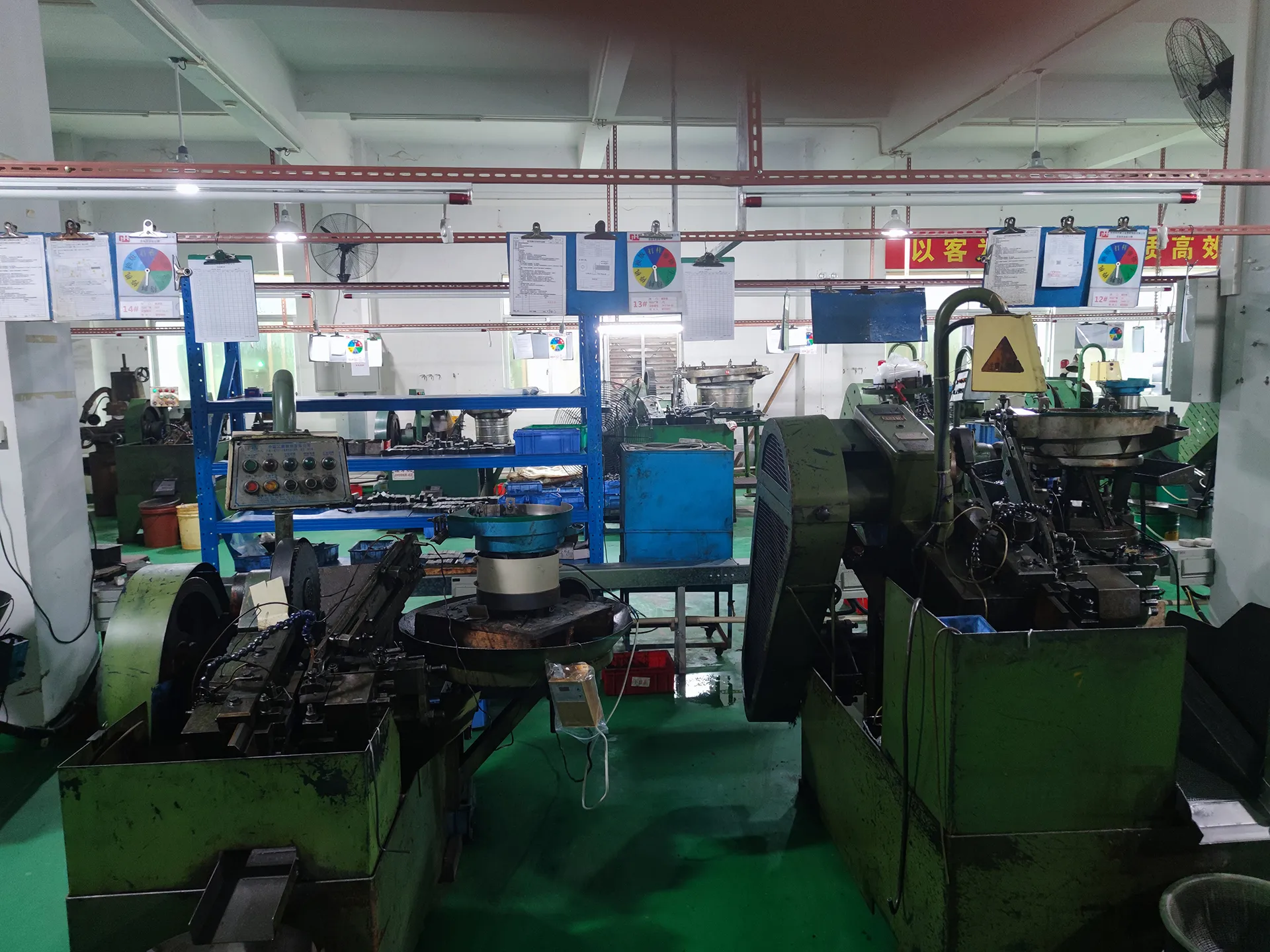
The prepared wire is fed into a multi-station cold heading machine where the part's basic shape is created through a series of operations in a single, continuous cycle:
● Shearing: Cutting a precise length of wire (a "slug").
● Upsetting: Compressing the slug to form a head or enlarge a section.
● Extruding: Forcing metal to flow through dies to create shanks, reduce diameters, or form hollow cavities.
Secondary Operations
The "blank" from the header undergoes finishing touches to achieve final specifications: ● Thread Rolling: Forming threads by displacing material between dies, which creates stronger, work-hardened threads.
● Trimming: Removing excess flash to create sharp, defined features.
Final Treatment & Finishing
● Heat Treatment: Hardening and tempering the parts to achieve required strength grades.
● Surface Plating: Applying coatings like zinc plating for corrosion resistance.
Inspection, Packaging, and Packing
This final stage ensures quality and prepares the products for shipment and customer use.
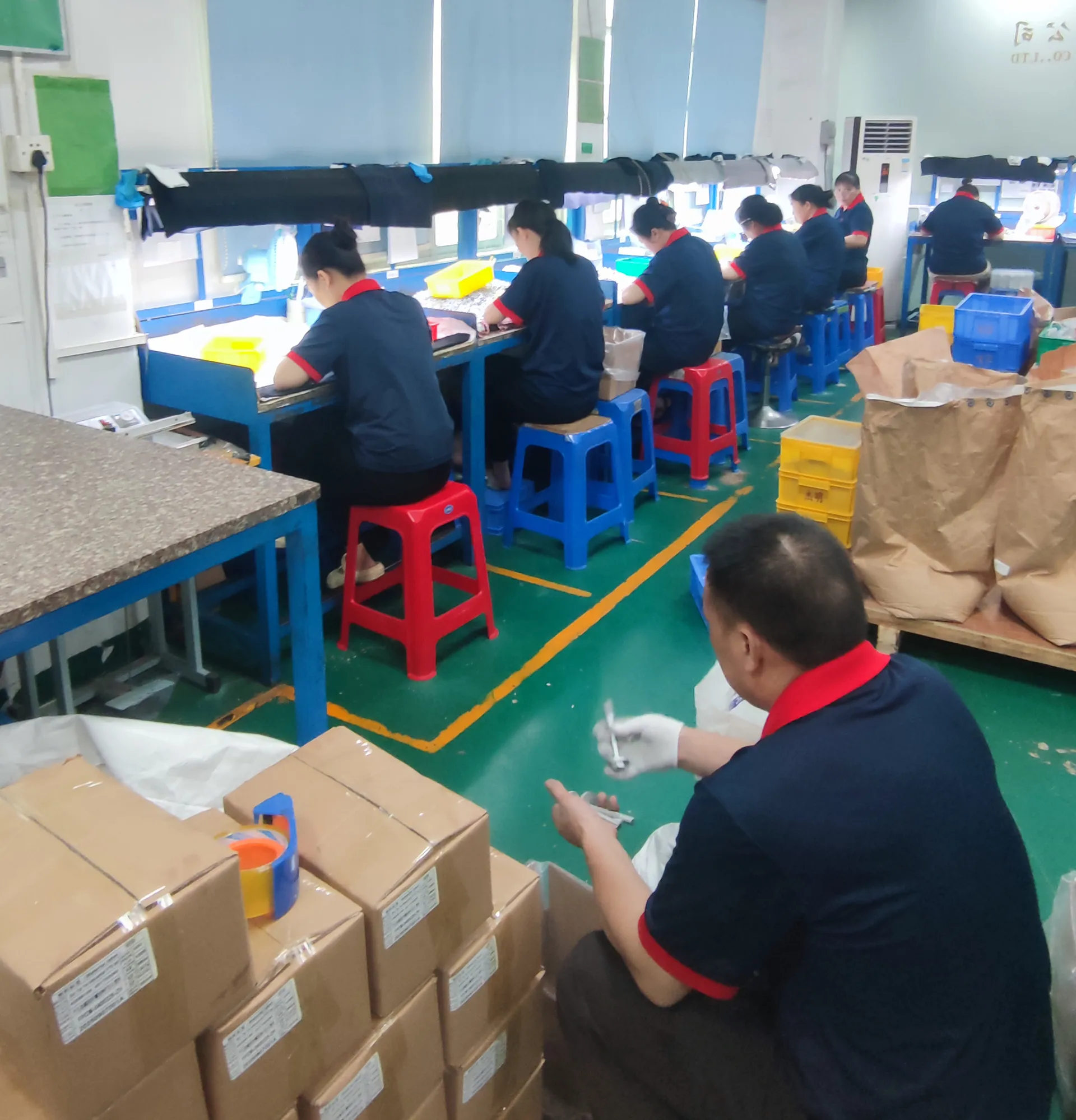
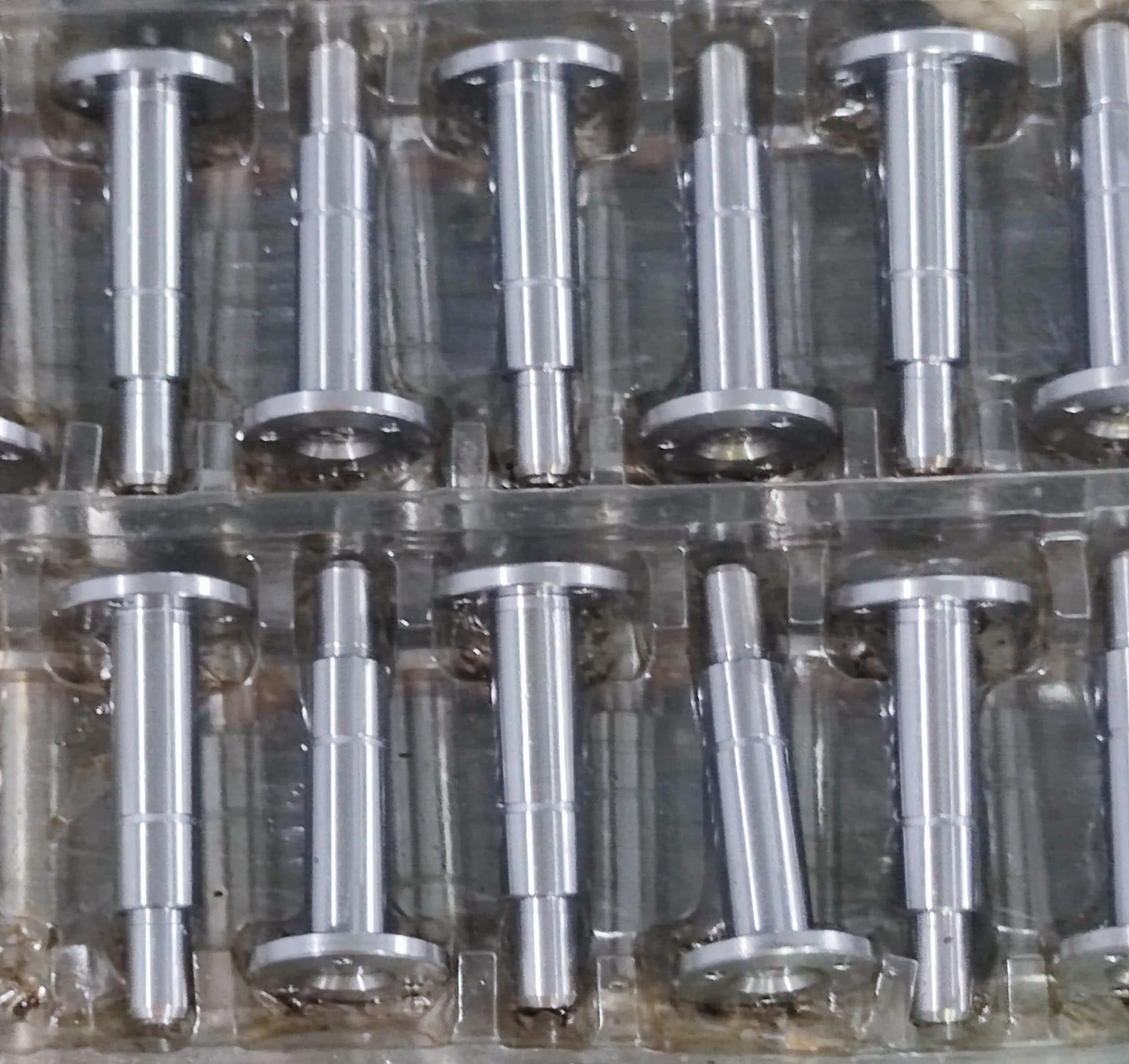
● Inspection: Parts are rigorously sampled and checked for dimensional accuracy, mechanical properties, thread fit, and surface quality.
● Packaging: Approved parts are counted and placed into appropriate packaging. This can include:
○ Small plastic bags with printed labels.
○ Cardboard boxes or sturdy cartons.
○ Sealed bulk bags or drums for large quantities.
● Packing: The packaged units are then consolidated for safe shipping:
○ Boxes are sealed and labeled with part numbers, quantities, and batch codes.
○ They are then stacked and secured on wooden pallets or in slip-proof corrugated boxes.
○ The pallets are stretch-wrapped or banded to ensure stability during transit, protecting the products from damage, moisture, and contamination.