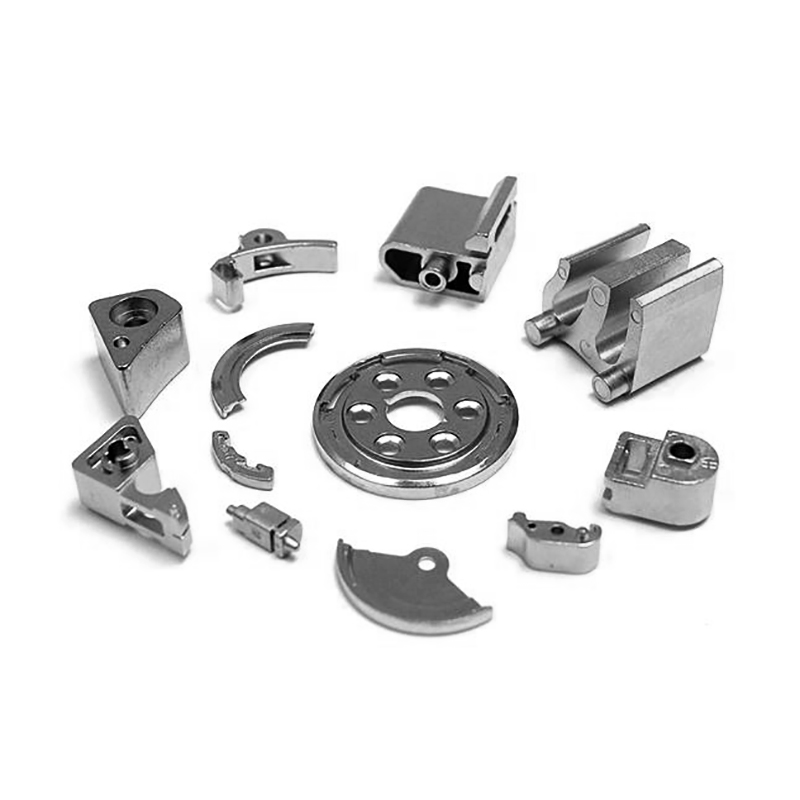
Common use plastic--PE

Chlorinated polyethylene, also known as CPE, is a thermoplastic material with excellent chemical resistance, flame retardancy, and weatherability. CPE can be processed by various methods, including extrusion, injection molding, and blow molding.
PE (polyethylene)
1. PE performance
PE is a kind of plastic with the largest output, which is characterized by soft quality, non-toxic, cheap, convenient processing, good chemical resistance, not easy to corrode, and difficult to print. PE is a typical crystalline polymer.
There are many kinds of it, commonly used are LDPE (low density polyethylene) and HDPE (high density polyethylene), semi-transparent plastic, low strength, specific gravity of 0.94g/cm3(smaller than water); Very low density LLDPE resin (density below 0.910 g/cc, LLDPE and LDPE density between 0.91-0.925).
LDPE is soft, (commonly known as soft rubber) HDPE is commonly known as hard soft rubber, it is harder than LDPE, is a semi-crystalline material, the shrinkage rate is higher after forming, between 1.5% and 4% poor light transmission, crystallinity is large, it is easy to occur environmental stress cracking phenomenon. Cracking can be reduced by using materials with very low flow characteristics to reduce the internal stress, which is easily dissolved in hydrocarbon solvents at temperatures above 60 ° C, but its solubility resistance is better than LDPE.
The high crystallinity of HDPE results in its high density, tensile strength, high temperature distortion temperature, viscosity, and chemical stability. It has stronger permeability resistance than LDPE. The impact strength of PE-HD is low. The properties are mainly controlled by density and molecular weight distribution.
HDPE for injection molding has a narrow molecular weight distribution. For density of 0.91~0.925g/cm3, we call it the first type PE-HD; For a density of 0.926~0.94g/cm3, it is called the second type HDPE; For densities of 0.94~0.965g/cm3, it is called the third type HDPE.
The material has good flow characteristics, with MFR ranging from 0.1 to 28. The higher the molecular weight, the worse the flow characteristics of LDPE, but the better the impact strength. HDPE is prone to environmental stress cracking. Cracking can be mitigated by using materials with very low flow characteristics to reduce internal stress. HDPE is easily dissolved in hydrocarbon solvents at temperatures above 60C, but its solubility resistance is better than LDPE.
LDPE is a semi-crystalline material with a high shrinkage after molding, between 1.5% and 4%.
LLDPE (Linear Low density polyethylene) Higher resistance to elongation, penetration, impact and tear make LLDPE suitable for use as films. Its excellent resistance to environmental stress cracking, low temperature impact and warping make LLDPE attractive for pipe, sheet extrusion and all molding applications. The latest application of LLDPE is as a mulching film for waste landfills and liquid waste pools.

2. PE process characteristics
The most significant feature of PE parts is that the molding shrinkage rate is large, and it is easy to shrink and deformation. PE material water absorption is small, can not dry. PE processing temperature range is very wide, not easy to decompose (decomposition temperature of 320℃), if the pressure is large, high density of parts, small shrinkage rate.
PE fluidity is medium, to strictly control the processing conditions, and keep the mold temperature constant (40-60℃). The degree of crystallization of PE is related to the molding process conditions, and it has a higher cold setting temperature, and the mold temperature is low, and the crystallinity is low. During the crystallization process, due to the anisotropy of shrinkage, the internal stress is concentrated, and the PE parts are prone to deformation and cracking.
The product is placed in a water bath of 80℃ hot water, which can make the pressure relax to a certain extent. In the molding process, the material temperature is higher than the mold temperature, the injection pressure should be low under the premise of ensuring the quality of the parts, the cooling of the mold is particularly required to be rapid and uniform, and the product is hot when demoulding.
HDPE drying: No need to dry if stored properly. Melting temperature 220~260C. For materials with larger molecules, it is recommended that the melting temperature range be between 200 and 250C.
Mold temperature: 50~95C. Plastic parts with a wall thickness below 6mm should use a higher mold temperature, and plastic parts with a wall thickness above 6mm should use a lower mold temperature. The cooling temperature of plastic parts should be uniform to reduce the difference in shrinkage rate. For the optimal processing cycle time, the diameter of the cooling chamber should be no less than 8mm, and the distance from the die surface should be within 1.3d (where "d" is the diameter of the cooling chamber).
Injection pressure: 700~1050bar. Injection speed: High-speed injection is recommended. Runner and gate: Runner diameter between 4 and 7.5mm, runner length should be as short as possible. Various types of gate can be used, and the gate length should not exceed 0.75mm. Especially suitable for using hot runner molds.
LLDPE's "soft in extension" property is a disadvantage in the blowing film process, and LLDPE's blown film foam is not as stable as LDPE's. Die clearance must be widened to avoid reduced production due to high back pressure and melt fracture. The general die clearance size of LDPE and LLDPE is 0.024 ~ 0.040 in and 0.060 ~ 0.10in respectively.

3. Typical application range:
LLDPE has penetrated most of the traditional markets for polyethylene, including film, molding, tubing, and wire and cable. Leakproof mulch is the newly developed LLDPE market. Mulch, a large extruded sheet used as a liner for landfills and ponds to prevent leakage or contamination of surrounding areas.
Examples include the production of bags, garbage bags, flexible packaging, industrial bushings, towel bushings and shopping bags, all of which take advantage of the improved strength and toughness of this resin. Transparent films, such as bread bags, have been dominated by LDPE because it has better turbidity.
However, LLDPE blends with LDPE will improve the strength. The penetration resistance and stiffness of LDPE films do not significantly affect the transparency of the films.
HDPE applications: refrigerator containers, storage containers, household kitchenware, sealed covers, etc.
Any needs of PE paroduct please feel free to contact us, we can provide you with custom precision good price PE parts.
Common use plastic--PET
Common used plastic--PBT
Related Article