
Bending
Bending in sheet metal processing is a manufacturing process that uses equipment like bending machines and dies to apply external force to metal sheets, causing them to undergo plastic deformation, thereby forming specific angles, fold lines, or curved surfaces.
● Design and Engineering
● Material Preparation
● Pre-Bending Setup
● Bending Operation
● Post-Bending Processing
● Quality Inspection
● Assembly and Packaging
Process
Design and Engineering
● Product Design: Use CAD software (e.g., SolidWorks, AutoCAD) to model the 3D structure of the bending part, defining key parameters such as bend angles, radii, and dimensions.
● Process Analysis: Conduct bend feasibility checks, including calculating minimum bend radius (based on material thickness and ductility) and determining the optimal bend sequence to avoid interference between folded edges. CAM software may be used to simulate the bending process for error prevention.

Material Preparation
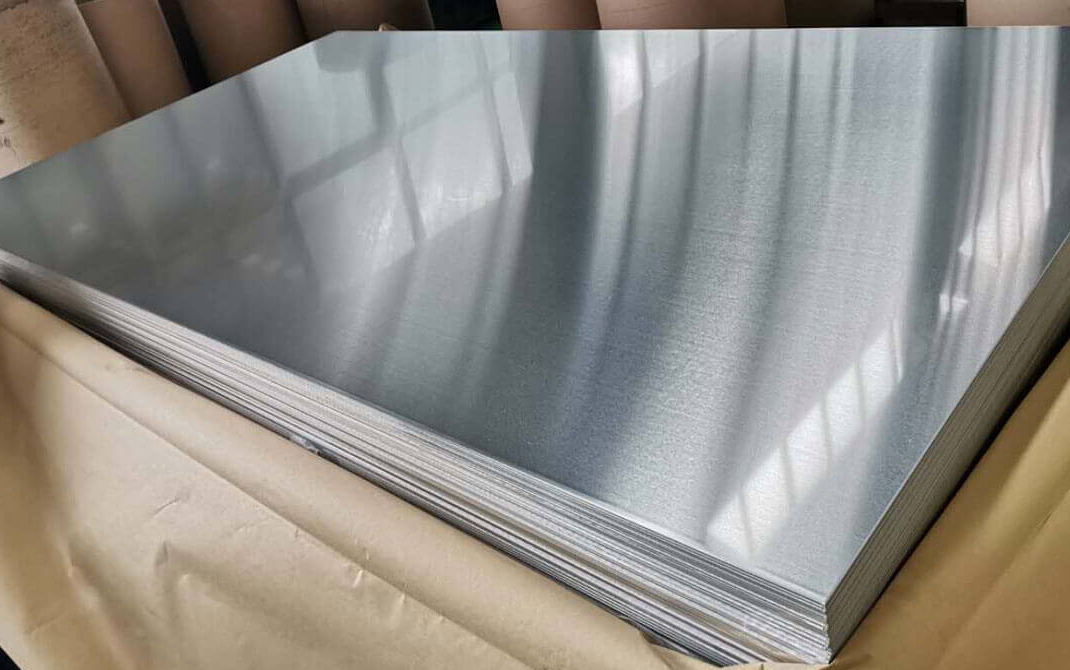
● Material Selection: Choose sheet metal materials (e.g., cold-rolled steel, aluminum alloy, stainless steel) based on product performance requirements (strength, corrosion resistance, etc.).
● Cutting/Blanking: Cut the sheet into blank sizes using processes like laser cutting, shearing, or punching, ensuring precise dimensions to fit bending requirements.
Pre-Bending Setup
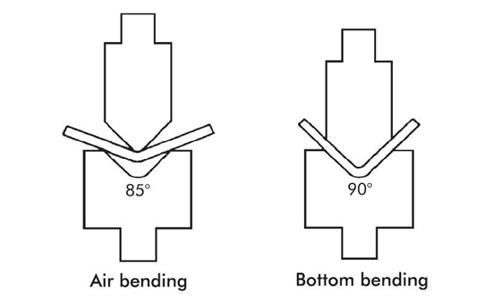
● Tooling Preparation: Select appropriate bending dies (upper punch and lower die) based on material thickness and bend radius. Adjust die clearance to match the sheet thickness.
● Machine Calibration: Set parameters on the press brake, including bending force, speed, and back gauge position, to ensure accurate positioning of the sheet during bending.
Bending Operation
● Sheet Positioning: Place the blank on the press brake worktable, aligning it with the back gauge to ensure the bend line is accurate.
● Bending Execution: The press brake applies force to the sheet via the upper die, causing plastic deformation along the bend line to form the desired angle (e.g., 90°, 135°). For complex parts, repeat the process following the pre-determined bend sequence.
Post-Bending Processing
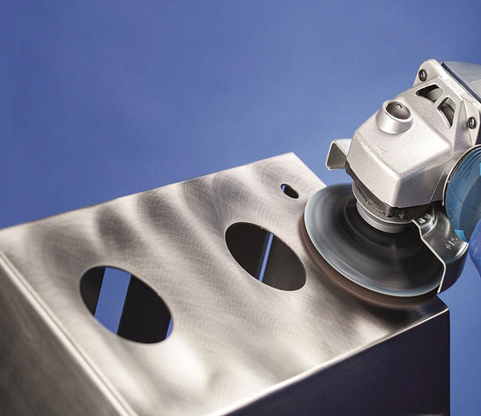
● Trimming/Secondary Machining: Remove burrs or perform additional operations (e.g., punching, tapping) if required by the design.
● Surface Treatment: Apply finishes such as painting, powder coating, or galvanizing to enhance corrosion resistance and aesthetics.
Quality Inspection
● Dimensional Checks: Use tools like calipers, angle rulers, or coordinate measuring machines (CMM) to verify bend angles, dimensions, and flatness.
● Defect Detection: Inspect for cracks, wrinkles, or springback (elastic recovery after bending) and adjust parameters if necessary to correct issues.
Assembly and Packaging
● Assemble bent parts with other components (e.g., welding, fastening) to form the final product. ● Package finished products to protect against damage during transportation. This process ensures that bending products meet strict tolerance and performance standards, making them suitable for industries like automotive, electronics, and construction.
