
Laser Cutting
Laser Cutting is a modern thermal cutting process that uses a highly focused, high-power laser beam as a heat source to melt, burn, or vaporize metal material, enabling precise cutting. It is an essential "subtractive" manufacturing process in metal fabrication.
● Design and Engineering
● Material Preparation
● Laser Cutting Process
● Quality Inspection
● Assembly and Packaging
Design and Engineering
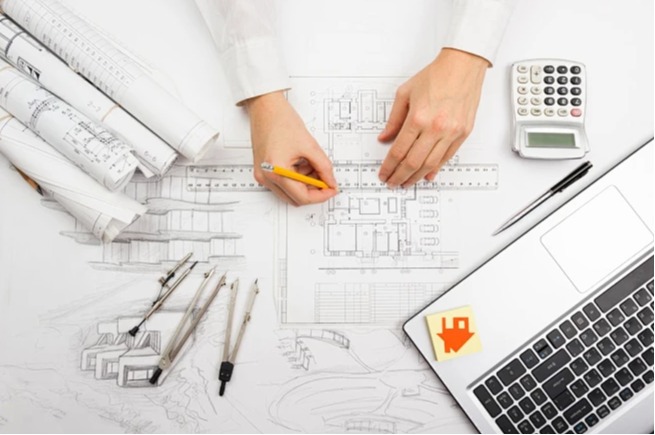
This stage involves creating detailed technical drawings and 3D models using CAD (Computer-Aided Design) software, tailored to the specific hardware components. Engineers determine optimal cutting paths, account for material thickness and laser parameters, and conduct virtual simulations to ensure design feasibility and avoid potential errors during actual cutting.
Material Preparation
Raw materials (typically metals like steel, aluminum, or brass) are selected based on product requirements. The materials undergo cleaning to remove rust, oil, or debris, then are cut to approximate sizes (blanking) for easier handling. They are also properly positioned and secured on the laser cutting machine’s worktable to prevent movement during the cutting process.

Laser Cutting Process
The laser cutting machine is calibrated with preset parameters (power, speed, frequency) based on material type and thickness. A high-powered laser beam is directed at the material, melting, burning, or vaporizing the targeted areas along the programmed path. The process may involve automated feeding systems for continuous production, and real-time monitoring ensures consistent cutting precision.
Quality Inspection
Finished components are inspected for dimensional accuracy using tools like calipers, micrometers, or coordinate measuring machines (CMM). Inspectors check for smooth edge quality, absence of burrs or burns, and adherence to design specifications. Any defective parts are flagged for rework or disposal.
Assembly and Packaging
Qualified components are assembled into final products using fasteners, welding, or adhesives as needed. The finished products undergo a final functional check before being cleaned and packaged. Packaging materials (such as boxes, foam, or shrink wrap) are used to protect products during storage and transportation, with labels added for identification and shipping information.
